Ensuring precision in medical equipment components is critical for patient safety and effective treatment. As technology evolves, the demand for accuracy in these components has intensified. Many medical professionals rely on precise equipment for correct diagnoses and treatments. In this landscape, understanding how to ensure precision of medical equipment components becomes essential.
The production processes involve various factors, including material selection and manufacturing techniques. Each choice impacts the final product's performance and precision. Mistakes in this phase can lead to significant consequences. Moreover, rigorous quality control measures must be in place to catch errors before they reach the clinical environment.
It is crucial to maintain ongoing education and training for professionals involved. This fosters a culture of precision and accountability. However, challenges still exist, such as balancing cost and quality. Continuous improvement is vital in addressing these issues. By acknowledging imperfections in processes, the industry can strive towards better standards.
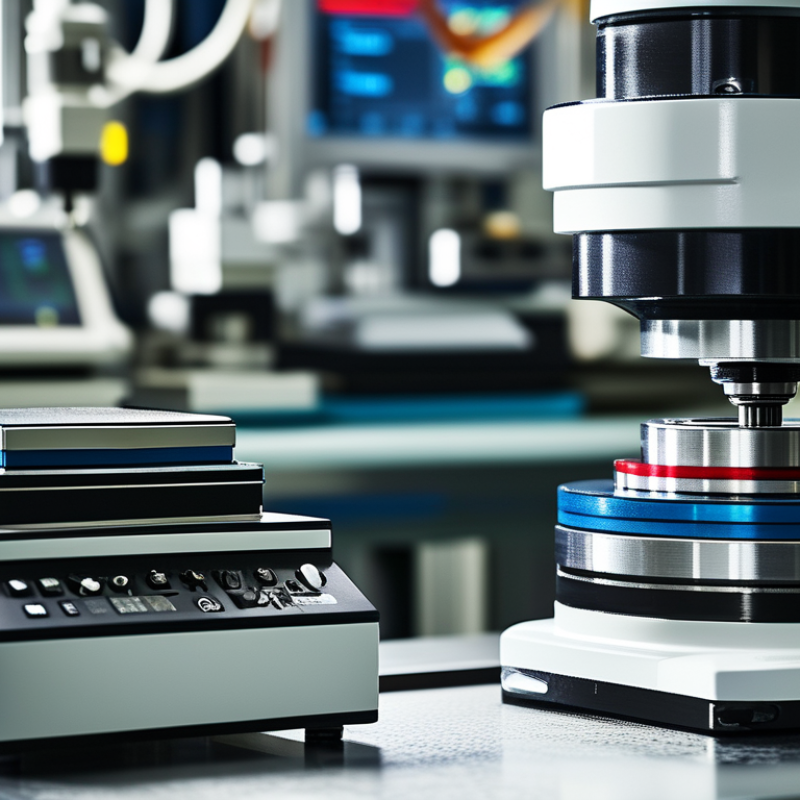
Precision in medical equipment components is vital for ensuring patient safety and effective treatment. Medical devices often operate in high-stakes environments where errors can lead to significant consequences. According to a report by the Food and Drug Administration (FDA), approximately 19% of medical device recalls between 2013 and 2017 were linked to measurement inaccuracies. These statistics underline the critical need to identify key precision requirements.
Several factors contribute to the precision required for medical equipment. Tolerances in manufacturing, for instance, must align with standards set by regulatory bodies. A report from the National Institute of Standards and Technology (NIST) highlights that deviations as small as 0.1 mm can compromise the performance of devices like surgical instruments or diagnostic equipment. Additionally, the operating environment affects these components. Thermal fluctuations and electromagnetic interference can alter measurements, introducing errors that may go undetected.
Material choice plays a substantial role in achieving precision. The report from NIST stresses the importance of selecting materials that can withstand rigorous usage while maintaining dimensional stability. However, it's crucial to recognize that even high-quality materials can fail under certain conditions, necessitating a rigorous testing regime. Continuous evaluation and improvement in this domain remain essential. Reducing variability through careful design and robust process control can mitigate risks. The journey toward perfect precision is ongoing, requiring the medical industry to adapt and refine its approaches consistently.
Establishing standards and regulations for component precision is vital in the medical sector. The accuracy of each component directly affects patient safety. Inconsistent measurements can lead to malfunctioning equipment, which might risk lives. Therefore, it is essential for organizations to create and enforce strict guidelines. Regulatory bodies can develop comprehensive programs to define acceptable tolerances and manufacturing processes.
Training personnel is equally important. Workers need to understand these standards thoroughly. Regular workshops and assessments can help maintain high levels of awareness about precision. Companies often overlook this aspect, leading to costly mistakes. Documenting these procedures ensures a reliable reference for all employees involved in production.
Moreover, continuous evaluation of components should become a routine practice. Regular audits help identify discrepancies early. However, it is not always feasible to inspect every single component. Balancing thorough checks with efficiency poses a challenge. Reflecting on past oversights encourages improvement, which is essential in the quest for excellence. Emphasizing precision through established regulations fosters a culture of reliability and safety in medical equipment.
| Component | Precision Standard (mm) | Regulatory Body | Frequency of Calibration | Common Applications |
|---|---|---|---|---|
| Surgical Instruments | 0.01 | ISO 13485 | Every 6 months | Surgeries and procedures |
| Diagnostic Equipment | 0.05 | FDA | Annually | Medical diagnostics |
| Imaging Systems | 0.02 | IEC 60601 | Every 2 years | Radiology and scans |
| Patient Monitoring Systems | 0.03 | AAMI | Every 12 months | Continuous patient monitoring |
| Artificial Implants | 0.01 | ISO 14971 | Bi-annually | Orthopedic and dental implants |
Implementing quality assurance protocols in manufacturing processes is crucial for precision in medical equipment components. Each component must meet strict tolerances. Procedures should outline inspection methods and documentation requirements clearly. Regular audits can identify gaps in these processes. This helps maintain consistent standards throughout production.
Training personnel is another vital aspect. Skilled workers are essential for accurate measurements. Yet, mistakes can happen. Continuous training and refresher courses are necessary. Encouraging a culture of quality can help employees take ownership of their work. This reduces errors and improves final products.
Testing components in real-world scenarios provides valuable insights. Simulations and stress tests can reveal weaknesses. However, testing may not cover every situation. It’s essential to learn from failure and refine protocols. Feedback loops should be established for ongoing improvement. Effective quality assurance is never a final destination; it’s an evolving journey.
Ensuring precision in medical equipment components is crucial. Advanced technologies significantly enhance measurement and testing. Techniques like laser measurement and ultrasound testing can yield exact dimensions. Precision is not just a goal but a necessity in healthcare.
Tips: Regularly calibrate your measuring tools. Calibration ensures accuracy over time. Conduct routine maintenance checks on testing equipment to avoid potential discrepancies.
Utilizing advanced technologies provides a clear advantage. 3D printing aids in producing prototypes with high precision. Machine learning algorithms help analyze complex data patterns. This technology can identify anomalies that manual methods might miss. However, reliance on technology can create blind spots. Continuous training for personnel is essential to complement tech advancements.
Tips: Invest time in staff training. Knowledgeable personnel enhance testing reliability. Foster a culture of validation, encouraging thorough checks and peer reviews. This practice minimizes the potential for error, leading to better outcomes in medical equipment precision.
Regular maintenance and calibration of medical equipment are crucial for ensuring precision. Studies show that equipment drift can lead to inaccuracies in patient diagnoses. According to a report from the FDA, approximately 30% of medical device recalls are due to measurement errors. Keeping devices calibrated can reduce these incidents significantly.
It's essential to develop a maintenance schedule tailored to your specific equipment. This fosters familiarity with the devices and helps detect any minor issues before they escalate. Routine checks should involve inspecting functionality, assessing performance, and ensuring all components are in optimal condition. Involving trained professionals in this process enhances reliability and accuracy in readings.
**Tips:**
- Create a maintenance log to track calibration dates and findings.
- Train staff regularly on calibration procedures and detection of abnormal readings.
- Stay informed about the latest best practices in medical device maintenance.
Neglecting maintenance can result in dire consequences. Regular oversight must become a priority to ensure patient safety and the integrity of healthcare services. The cost of preventive maintenance is often less than the fallout from misdiagnoses or treatment delays due to malfunctioning equipment.
: They are vital for patient safety. Inaccurate components can lead to equipment malfunctions and potential hazards.
It ensures workers understand the standards. Lack of training can lead to costly mistakes and safety risks.
Regular audits identify discrepancies early. However, inspecting every component can be impractical.
Laser measurement and ultrasound testing provide exact dimensions. These tools are crucial for quality control.
Regular calibration is essential for maintaining accuracy over time. It prevents discrepancies in measurements.
It can create blind spots. Manual checks are still important to ensure comprehensive quality assurance.
It produces prototypes with high precision. This technique helps in achieving accurate designs.
It complements new technologies. Employee knowledge enhances reliability in testing and measurements.
Encouraging thorough checks and peer reviews minimizes errors. This can lead to improved safety and outcomes.
Lack of documentation can lead to inconsistent practices. This oversight may compromise product quality and safety.
Ensuring the precision of medical equipment components is crucial for safe and effective healthcare delivery. Key steps involve identifying the specific precision requirements for each component, adhering to established standards and regulations, and implementing robust quality assurance protocols throughout the manufacturing process. Additionally, the adoption of advanced technologies for precision measurement and testing plays a vital role in achieving accurate results.
Regular maintenance and calibration are necessary to uphold precision over time, ensuring that medical equipment continues to function optimally. By focusing on these critical areas, healthcare providers can significantly reduce the risk of errors and enhance the reliability of medical devices, ultimately improving patient outcomes.

Xinli Technology