How to Extend the Lifespan of Mechanical Parts for Better Performance?

Time:2026-05-01 Author:Sienna
0%

In the world of machinery, extending the lifespan of mechanical parts is crucial. Experts emphasize the importance of proper maintenance in ensuring peak performance. John Anderson, a noted mechanical engineer, once stated, "Regular care is the key to long-lasting machinery." His insights resonate deeply within the industry.

Understanding how to maintain mechanical parts for longer service life involves not just routine checks but also recognizing the signs of wear. Many overlook minor issues until they escalate into significant problems. Regular lubrication, alignment, and environmental control can prevent premature failure.

However, it's easy to become complacent. Maintenance schedules can slip due to busy workloads. A systematic approach is essential to avoid such pitfalls. Investing time in regular inspections can yield significant benefits. Adopting best practices ensures that machinery operates efficiently, ultimately saving time and costs in the long run.
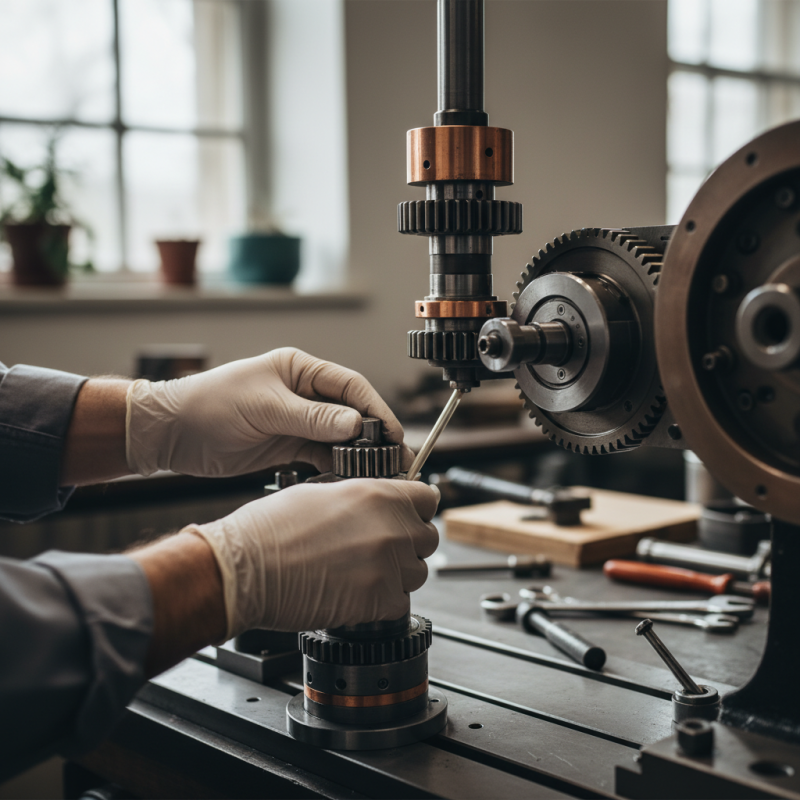
How to Extend the Lifespan of Mechanical Parts for Better Performance?

Understanding the Importance of Regular Maintenance for Mechanical Parts

Regular maintenance is crucial for the longevity of mechanical parts. Over time, wear and tear can lead to poor performance. Neglecting routine checks can result in costly repairs or even total breakdowns. Simple tasks, like lubrication and cleaning, can significantly extend the life of components.

Scheduling maintenance should be a priority. Create a checklist that includes daily, weekly, and monthly tasks. Check for signs of stress or damage regularly. Look for unusual noises or vibrations. These can be early indicators of problems needing immediate attention. This proactive approach helps catch issues before they escalate.

It's important to reflect on your maintenance habits. Are you following the schedule consistently? Skipping steps can lead to failures. Regularly assess the effectiveness of your methods. Learning from past mistakes can lead to better practices. Stay informed about new techniques for maintaining mechanical parts. Knowledge will guide your efforts toward optimal performance.

Choosing the Right Materials to Enhance Durability and Performance

The choice of materials directly impacts the longevity and reliability of mechanical parts. Industries often rely on specific material properties to enhance performance and reduce wear. For instance, according to a report from the American Society of Mechanical Engineers, selecting high-strength alloy steel can improve the lifespan of gears by nearly 40%. Alloy compositions, like chromium and molybdenum, add beneficial hardness and resilience to mechanical components.

Understanding the environment in which these parts operate is crucial. Corrosive environments can significantly degrade materials, leading to premature failures. A study by the Engineering Services Corporation indicates that utilizing stainless steel or specialized coatings can extend the life of components in such conditions. However, these materials may be more expensive and require careful consideration of cost versus longevity. It's also essential to balance material selection with the overall design and intended application.

Engineers must continuously evaluate and adapt to new advancements in material science. Emerging composites and smart materials show promise for improved performance. Yet, challenges remain in integrating these innovations effectively into existing designs. Ongoing research is vital, as some newer materials may not yet meet rigorous mechanical standards, demanding thorough testing and validation before widespread adoption.

How to Extend the Lifespan of Mechanical Parts for Better Performance? - Choosing the Right Materials to Enhance Durability and Performance

Material Type Strength (MPa) Density (g/cm³) Corrosion Resistance (Rating) Typical Applications
Aluminum Alloy 310 2.7 High Aerospace, Automotive Components
Stainless Steel 520 8.0 Very High Medical Devices, Food Processing
Carbon Fiber 800 1.5 High Sports Equipment, Aerospace
Titanium Alloy 900 4.5 Very High Aerospace, Medical Implants
High-Strength Plastic 250 1.2 Moderate Consumer Products, Electronics

Utilizing Advanced Coatings and Treatments to Prevent Wear and Tear

Mechanical parts play a vital role in many industries. Their longevity impacts efficiency and performance. Advanced coatings and treatments can significantly enhance wear resistance. These solutions form a protective layer, minimizing direct contact between surfaces. As a result, friction and wear decrease. It’s like creating a barrier against daily challenges.

Various coating options exist, such as ceramic and polymer-based solutions. These serve different environments and applications. For example, ceramic coatings excel in high-temperature situations. They can withstand extreme conditions while maintaining integrity. However, selecting the wrong type can lead to failures. Researching and testing different treatments is crucial.

Regular maintenance remains important, even with advanced coatings. Inspection helps identify wear patterns early. It may uncover issues obscured by a protective layer. Ignoring these signs can result in costly repairs. Understanding limitations is key to extending the lifespan of mechanical parts. Continuous learning enables better decision-making for improved performance.

Implementing Effective Lubrication Strategies for Optimal Functionality

Effective lubrication is crucial for the performance and lifespan of mechanical parts. Without proper lubrication, metal surfaces wear down quickly, leading to costly repairs. Regularly applying the right lubricant can help reduce friction. It also plays a vital role in heat dissipation.

Different types of lubricants serve various functions. Grease is often used in high-load applications, while oils are better for high-speed operations. The key is to select the correct type based on specific needs. Inadequate lubrication can obstruct performance. It's important to assess the conditions in which the mechanical parts operate.

Routine checks can prevent lubrication issues. Look for signs of wear or unusual noises. These early warnings indicate insufficient lubrication. Staying proactive can help avoid major breakdowns. Reflecting on past mistakes with lubrication strategies can pave the way for improvement. A small oversight can lead to significant consequences.

Monitoring Conditions and Usage Patterns to Extend Lifespan of Components

Monitoring the conditions and usage patterns of mechanical parts is crucial for extending their lifespan. Regularly checking temperature, humidity, and vibration levels can provide insights into how components perform. For instance, studies show that excessive heat reduces the lifespan of bearings by 50% or more. Understanding the operating environment helps in making timely adjustments to maintenance schedules.

Usage patterns also play a significant role in wear and tear. Overloading machinery can lead to premature failure. According to the International Journal of Mechanical Engineering, about 30% of equipment failures are due to incorrect usage patterns. Tracking operational hours and load levels assists in identifying potential issues before they escalate. Implementing predictive maintenance strategies based on usage data can mitigate risks and enhance part longevity.

It’s important to recognize that even the best monitoring systems aren't flawless. Sometimes, ambiguous data can lead to misinterpretations. For example, a system might signal normal conditions when components are already under strain. Remaining vigilant and adaptable in approach can help in addressing these uncertainties. Refining monitoring practices continuously is key to optimizing mechanical performance over time.

FAQS

: Why is regular maintenance important for mechanical parts?

: Regular maintenance extends the life of mechanical parts and prevents costly repairs.

What are some basic maintenance tasks?

Basic tasks include lubrication, cleaning, and checking for signs of wear.

How can I create a maintenance schedule?

Create a checklist with daily, weekly, and monthly tasks to stay organized.

What should I look for during checks?

Look for unusual noises, vibrations, or signs of stress and damage.

How do material choices affect performance?

Material choices impact durability; for example, alloy steel can increase gear lifespan significantly.

What role does the operating environment play?

Harsh environments can degrade materials and cause premature failures, making careful selection essential.

How does monitoring usage patterns help?

Monitoring usage patterns helps identify issues; for instance, overloading can lead to early failures.

Can monitoring systems make mistakes?

Yes, they can misinterpret data. Vigilance and adaptability are crucial for accurate assessments.

What should I reflect on regarding maintenance habits?

Consider whether you consistently follow the maintenance schedule and learn from past mistakes.

How can new materials influence mechanical design?

Emerging materials may enhance performance, but some require rigorous testing before use.

Conclusion

To effectively address the question of how to maintain mechanical parts for longer service life, it is essential to focus on several key strategies. Regular maintenance is critical, as it allows for the early detection of wear and potential issues, thereby enhancing the overall performance and lifespan of mechanical components. Choosing high-quality materials can significantly improve durability, while the application of advanced coatings and treatments can protect against wear and corrosion.

Additionally, implementing effective lubrication strategies ensures that moving parts operate smoothly and reduce friction. Monitoring operational conditions and usage patterns provides valuable insights for timely adjustments and maintenance practices, ultimately extending the operational life of components. By employing these methods, one can significantly improve the longevity and performance of mechanical parts.

Sienna

Sienna

Sienna is a skilled marketing professional with a deep expertise in our company’s core products and services. With a passion for innovation and detail, she plays a pivotal role in crafting insightful blog posts that not only highlight the unique features of our offerings but also provide valuable......