A machine can stop because one replacement part is slightly out of tolerance. A delayed bearing, inconsistent casting, or missing inspection record can turn a routine repair into weeks of lost production. Comparing manufacturers is therefore about more than finding the lowest unit price. It means checking whether parts fit, perform, and arrive reliably.
Deloitte’s 2024 Manufacturing Industry Outlook reports that 86% of surveyed manufacturing executives expect smart manufacturing solutions to drive competitiveness over the following five years. That finding highlights a broader shift: manufacturers increasingly depend on capable suppliers and dependable production processes. Yet technology alone does not prove a parts supplier can meet your specifications. Small differences matter.
How to compare different manufacturers of equipment parts begins with verifiable evidence. Check material specifications, dimensional tolerances, quality-control records, production capacity, lead times, and the supplier’s process for handling defects. Ask for sample inspection reports and traceability documents, then compare total ownership costs, including shipping, maintenance, and replacement frequency. Certifications can be useful, but confirm that they cover the relevant facility and processes.
A polished catalog is not proof. Neither is the cheapest quote. Where possible, test a sample under realistic operating conditions and speak with customers who use comparable equipment. The comparison may still involve uncertainty; published data rarely captures every production delay or communication problem. That is worth acknowledging. A practical evaluation should weigh documented performance alongside direct experience, so purchasing teams can choose a manufacturer that supports reliable operations—not simply an attractive first order.
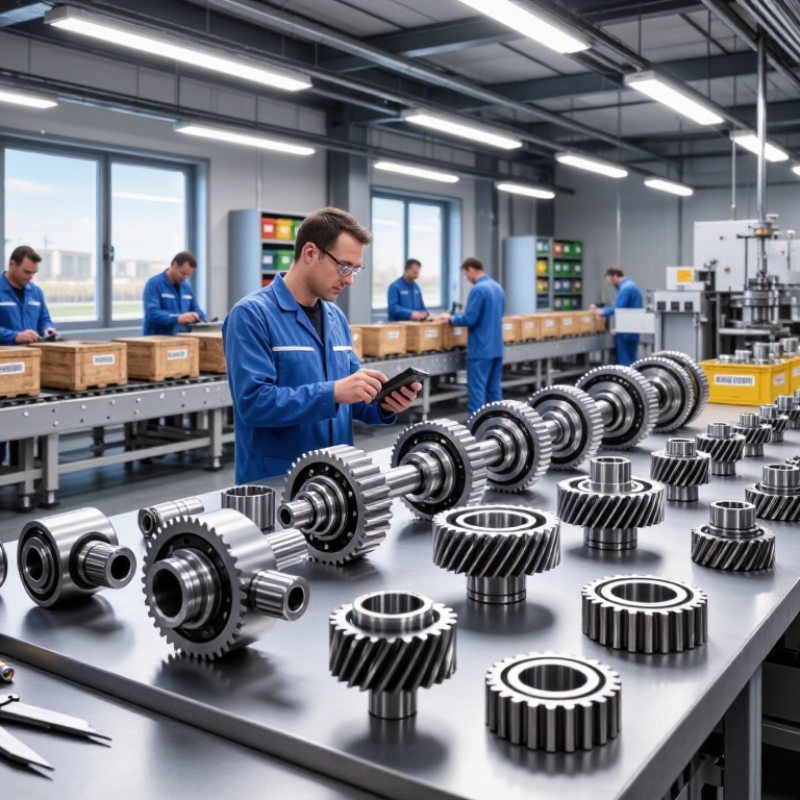
Comparing equipment parts manufacturers starts with defining the part’s working life. Record dimensions, material, load, speed, temperature, pressure, and connection method. Note exposure to dust, moisture, chemicals, vibration, or repeated impact. A seal near a hot pump needs different limits from one inside a clean enclosure. Field experience matters here. Photos, worn surfaces, and maintenance logs can reveal problems that drawings miss. Do not rely on catalog descriptions alone.
Tips: Prepare a one-page requirement sheet before requesting quotations. Include acceptable tolerances, testing documents, packaging needs, and expected service hours. Ask each manufacturer how it verifies material grade and dimensional accuracy. Request samples or inspection reports when failure could stop production. Keep your questions identical for every supplier.
Operating conditions should guide the comparison, not price alone. Check whether each manufacturer has tested similar parts under comparable loads and temperatures. Review traceability records, quality controls, corrective action procedures, and warranty terms. A reliable supplier should explain limitations clearly, including what it cannot guarantee. This point is easy to miss. I once accepted a standard part because its dimensions matched. Early wear showed that surface finish and heat exposure were unsuitable. That mistake changed our evaluation process. Leave room for uncertainty, too. Real machines rarely operate at one fixed setting. Share start-up loads, seasonal temperature changes, and unusual operating cycles. These details help manufacturers recommend materials and designs with greater confidence.
Check dimensions, material grade, surface finish, tolerances, and inspection records. Ask for measured samples. “High quality” is not enough.
Match the part number, machine model, revision, mounting pattern, and connection details. Also compare seal sizes, operating temperatures, load limits, and technical drawings. Similar shapes can mislead.
A slight shaft diameter difference can create vibration, uneven wear, or early failure. A small mismatch may become expensive. It is easy to overlook.
Request inspection procedures, material-batch records, drawings, tolerances, and sample inspection reports. Ask how tolerances remain consistent across repeat orders. One sample is not enough.
Compare actual lead-time records, stock tracking, shipping estimates, and production updates. Ask what happens when a component fails inspection. Delays often begin with unclear details.
The supplier should answer technical questions clearly and explain defect handling. Confirm procedures for replacements, quality concerns, and post-delivery support. Specific answers matter more than fast replies.
Include the purchase price, shipping, installation labor, maintenance, service life, and possible downtime. A cheaper bearing may cost more after repeated failures. Use a simple spreadsheet.
Track response speed, specification consistency, delivery performance, failure history, and replacement labor. Review comparable service records when available. Do not trust estimates blindly. Real operating data may change your judgment.
Comparing equipment parts manufacturers begins with clearly defining your equipment’s requirements, operating conditions, performance expectations, and compatibility needs. Once these factors are established, look for manufacturers with relevant industry experience and the technical ability to produce suitable parts. Compare product quality, material selection, dimensional accuracy, certifications, testing procedures, and technical specifications to determine whether each supplier can meet your operational demands consistently.
When considering how to compare different manufacturers of equipment parts, evaluate more than the initial purchase price. Review manufacturing standards, production capacity, lead times, delivery reliability, warranty terms, documentation, and after-sales support. It is also important to calculate total ownership costs, including installation, maintenance, replacement frequency, downtime, and long-term performance. A reliable manufacturer should demonstrate consistent quality, transparent communication, dependable delivery, and a strong commitment to supporting customers throughout the part’s service life.

 Xinli Technology