In the realm of mechanical and auto parts, wear signs are crucial indicators that help us gauge the health of our equipment. Understanding how to identify wear signs in mechanical and auto parts can save time and money. Regular inspections are vital, yet many overlook this routine task. By doing so, they risk severe damage and expensive repairs.
There are various types of wear signs, including cracks, rust, and unusual noises. Distinct visual cues can signal that a component is nearing its end. Noticing these signs early allows for timely interventions. However, spotting these indicators requires a keen eye and a basic understanding of the parts involved.
Experience plays a significant role in this process. Often, professionals use their expertise to recognize subtle changes that a novice might miss. Relying solely on technology can be misleading. Real-world observations remain invaluable. Each inspection serves as a learning opportunity, pushing us to reflect on our methods and improve our practices in identifying wear signs.
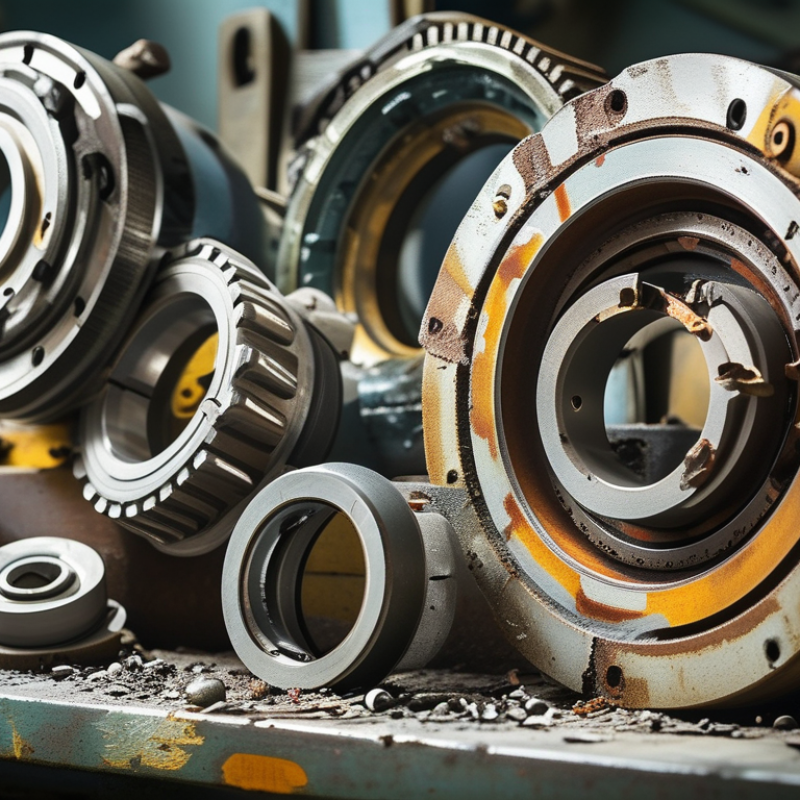
Understanding Wear Signs in Mechanical Parts
Understanding wear signs in mechanical parts is crucial for maintaining equipment efficiency and safety. These signs can manifest as discoloration, unusual noises, or unexpected vibrations. It’s essential to monitor these indicators regularly to avoid severe damage.
Visual inspection can reveal many wear signs. For example, rust or corrosion may indicate moisture exposure. Friction points often show signs of wear, such as plastic deformation or metal shavings. Regular inspections help catch these issues early, preventing costly repairs.
Tips: Check seals and gaskets for wear. Look for any cracks or splits that can lead to leakage. Don't overlook small issues, as they can escalate quickly.
When replacing parts, consider the operating environment.
Dust, heat, and humidity can exacerbate wear. Paying attention to these factors will enhance the longevity of your machinery.
Tips: Maintain a clean environment around your equipment. Keep parts lubricated to reduce friction. Learn to listen for abnormal sounds as warning signs.
Common Types of Wear Patterns and Their Implications
Identifying wear signs in mechanical and auto parts is crucial for maintenance. Common wear patterns offer insight into the part's health. For instance, uneven tire wear can signal alignment issues. According to a report by the American Automobile Association, improper alignment can reduce tire lifespan by up to 25%. Addressing this early can prevent costly replacements.
Another common pattern is scoring or scratching on engine components. This wear often indicates insufficient lubrication. The Society of Automotive Engineers has found that 70% of engine failures are linked to lubrication problems. Regular oil checks can help mitigate this risk.
Excessive vibration in machinery may point to bearing wear. This could lead to significant downtime in operations. Research from the Machinery Reliability Conference shows that early detection of wear can extend equipment life by 30%. Monitoring vibration levels is a proactive approach that can help. Understanding these patterns can save time and money. Maintenance teams must remain vigilant for these signs.
Methods for Inspecting Auto Parts for Wear
Inspecting auto parts for wear is crucial for vehicle safety and performance. Understanding how to spot these signs can prevent serious issues. Start by visually examining components like brake pads, tires, and belts. Look for cracks, fraying, or uneven wear patterns. These indicators often suggest that a part is nearing the end of its lifespan.
Touch and feel can also provide important insights. For example, a brake pad that feels too thin or rough indicates excessive wear. Listen for unusual noises when your vehicle operates. A grinding sound, for instance, may point to worn-out brakes. Regular checks can reveal issues before they escalate, but it requires diligence and attention.
However, inspections can be subjective. What one person thinks is okay may not be. Learning to identify subtle changes takes time and experience. Trust your instincts, but also seek professional opinions when in doubt. This balance can help maintain your vehicle effectively. Always remember that neglecting wear signs can lead to costly repairs or dangers on the road. Stay attentive and proactive.
Tools and Techniques for Identifying Wear in Components
Identifying wear signs in mechanical and auto parts is essential for maintenance. Various tools can help professionals pinpoint these issues. A visual inspection remains a fundamental technique. Look closely for cracks, chips, or discoloration on surfaces. These imperfections may indicate underlying problems. An experienced technician can differentiate normal wear from critical issues.
Ultrasonic testing is another valuable method. It utilizes sound waves to detect internal flaws. By measuring the reflections of sound, one can identify wear patterns not visible to the naked eye. Vibration analysis also reveals significant insights. It helps in diagnosing issues before they escalate. A sudden change in vibration frequency may signal a component's impending failure.
Using these techniques requires practice. Not every inspection is foolproof. Misinterpretation can occur, leading to unnecessary repairs. Therefore, documenting findings after each assessment is crucial. Regularly reviewing this data helps refine inspection techniques. Relying solely on one method can be risky. It's essential to combine multiple approaches for a thorough evaluation. This balanced method enhances reliability in identifying wear signs.
How to Identify Wear Signs in Mechanical and Auto Parts?
| Component Type |
Common Wear Signs |
Tools for Inspection |
Recommended Techniques |
| Brake Pads |
Thinning, cracking, or uneven wear |
Caliper tool, micrometer |
Visual inspection, measuring thickness |
| Tires |
Tread depth wear, sidewall cracks, bulges |
Tread depth gauge, pressure gauge |
Regular pressure checks, tread wear indicators |
| Engine Oil |
Discoloration, oily residue, excessive dirt |
Oil dipstick, color comparison card |
Routine oil change schedule, color inspection |
| Belts |
Cracking, fraying, missing sections |
Belt tension gauge, visual check |
Regular visual inspections, tension checks |
| Bearings |
Noise, excessive play, discoloration |
Sound level meter, play gauge |
Listening tests, physical play measurement |
Importance of Regular Maintenance and Early Wear Detection
Regular maintenance is essential for any mechanical or auto component. Over time, parts wear down, and ignoring this can lead to serious issues. Early wear detection saves money and prevents extensive damage. A small crack today can lead to a major failure tomorrow. Simple checks can help identify these warning signs.
Consider the brakes. Look for unusual noise or vibrations. These are hints that components may be wearing out. Pay attention to fluid levels as well. Low fluid could indicate a leak. It’s easy to overlook but can have dire consequences. Regular inspections help maintain safety and performance.
It's vital to develop a habit of checking components regularly. Visual inspections can reveal wear patterns. For example, uneven tire wear may signal alignment issues. Taking small steps now can greatly enhance longevity. Reflecting on maintenance routines can highlight areas needing improvement. Prioritize early detection to keep machinery running smoothly.
Conclusion
Understanding how to identify wear signs in mechanical and auto parts is crucial for ensuring the longevity and performance of various components. This article highlights the importance of recognizing common wear patterns, such as abrasion, corrosion, and fatigue, and discusses their implications for functionality and safety. Regular inspection methods and appropriate tools are emphasized as essential for detecting wear early, thereby preventing severe damage and costly repairs.
Furthermore, the article underscores the critical role of ongoing maintenance in identifying and addressing wear signs promptly. By implementing systematic inspection techniques and utilizing the right tools, users can effectively monitor the condition of auto and mechanical parts, ensuring optimal performance and reliability. Ultimately, knowing how to identify wear signs in mechanical and auto parts contributes to better management and care of machinery, leading to enhanced efficiency and safety.

 Xinli Technology