How to Improve Equipment Performance with Quality Parts

Time:2026-11-14 Author:Amelia
0%

Equipment rarely loses performance all at once. More often, small problems build: a bearing runs hot, a seal leaks, or a belt slips under load. These symptoms can waste energy, disrupt production, and shorten the life of connected components. Replacing a part may seem straightforward, but the wrong specification can create new problems. Fit, material, operating conditions, and installation all matter.

How to improve the performance of equipment with quality parts starts with understanding the machine and its actual workload. Check the manufacturer’s specifications, service history, and the conditions around the equipment, such as heat, dust, moisture, and vibration. Quality parts should meet the required dimensions and performance standards—not merely carry a premium label. That label alone proves little. A well-made filter, for example, must suit the system’s airflow and capture requirements; a seal must match the shaft and operating environment. When possible, compare supplier documentation and verify part numbers before ordering. Ask qualified technicians or equipment manufacturers when specifications are unclear.

Track the results after replacement. Note operating temperatures, noise, vibration, maintenance intervals, and unexpected downtime. These details help distinguish a genuine improvement from a temporary impression. Even careful selection cannot prevent every failure; poor alignment or skipped maintenance can undermine a good component. And sometimes the cause is elsewhere. Treat part quality as one important factor, then use inspection records and sound technical advice to guide the next decision.
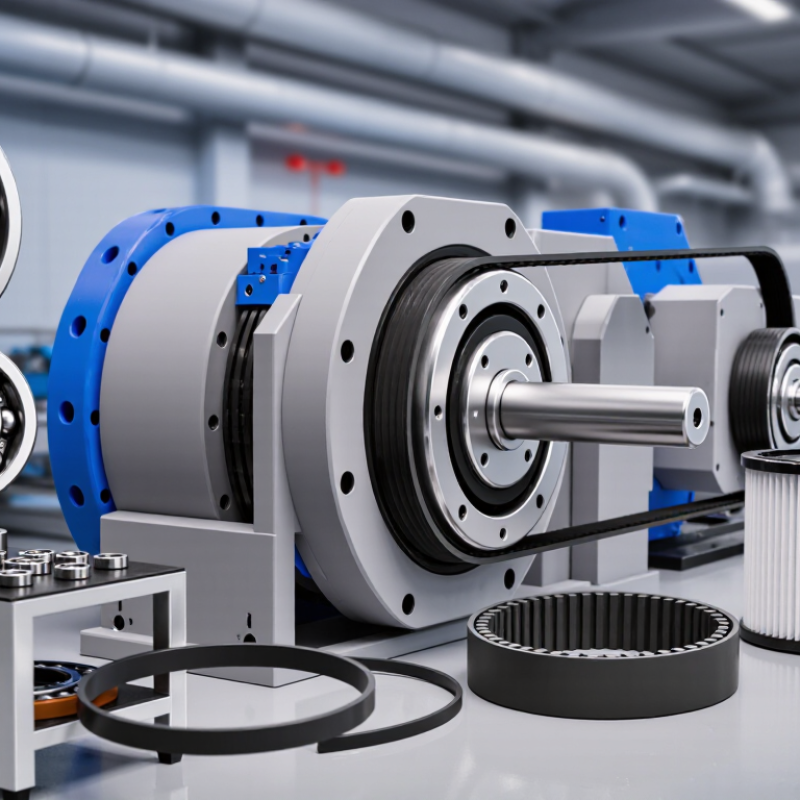
How to Improve Equipment Performance with Quality Parts

Understanding How Quality Parts Affect Equipment Performance

Equipment performance depends on how well each component fits its job, not just whether it can be installed. A correctly machined bearing, for example, keeps a shaft aligned and reduces friction during long operating cycles. When dimensions are inconsistent, vibration may rise, heat can build near the housing, and wear may spread to connected parts. Small differences matter. Quality also includes suitable materials, sound construction, and reliable surface finishes. These details can help parts withstand pressure, temperature changes, and repeated movement. In practice, the benefits show up in steadier operation and fewer adjustments, though results vary with maintenance and working conditions.

Parts with consistent specifications make performance easier to monitor. A filter that fits its housing properly is less likely to allow unfiltered air around its edges. A technician can also compare operating temperatures, noise, and vibration before and after a replacement. Not always. One new part will not correct poor alignment or neglected lubrication. I have seen equipment continue to run roughly after a replacement because the underlying fit problem was never checked. Reviewing service records and measuring the installed part can reveal whether its quality is actually improving performance, rather than merely changing the component.

Assessing Equipment Needs and Existing Component Condition

Before selecting replacement parts, define how the equipment actually works. Record its typical load, operating speed, daily run time, and exposure to dust, moisture, or heat. Ask operators when noise, vibration, or slow cycles occur. Their notes can reveal patterns that a brief inspection misses.

Look closely. Check bearings for excess play, belts for cracks or glazing, and housings for leaks, heat marks, or loose fasteners. Compare measured wear, alignment, temperature, and pressure with the equipment’s service limits. Record the readings and inspection date; memory is a poor baseline. A clean exterior can still conceal a failing bearing. Not every worn-looking part needs immediate replacement, either. Treat symptoms as evidence, not a diagnosis.

Match any replacement to the required dimensions, material, load rating, and operating conditions. A part that fits physically may still perform poorly under heat or repeated vibration. Review maintenance records for recurring failures, since repeated wear may point to misalignment or overloading rather than weak components. It is tempting to replace everything at once, but that can hide the real cause. Sometimes the first inspection is inconclusive. Recheck after a normal operating cycle, and document what changed.

Selecting Parts for Compatibility, Durability, and Operating Demands

Selecting a replacement part begins with the equipment’s specifications, not just its appearance. Check the manual, existing part number, and measured dimensions before ordering. Compare mounting points, electrical ratings, clearances, and connection types. A bearing that matches the housing but has the wrong load rating can wear quickly. Fit matters.

Durability depends on the conditions the part will face. Heat near a motor, fine dust around a conveyor, or repeated washdowns can change which materials and seals are suitable. Check stated temperature ranges, corrosion resistance, and expected service life in technical documents. A heavier-duty part may last longer, but it can also cost more or require extra clearance. The tradeoff is not always obvious.

Operating demands matter just as much as compatibility. Record typical loads, start-stop frequency, vibration, and daily run time; maintenance logs can reveal patterns that specifications alone miss. A component used intermittently may not need the same duty rating as one running through long shifts. If measurements or ratings remain uncertain, ask a qualified technician to verify them before installation. Even careful checks can miss a detail, so record what was selected and review its performance after the first service interval.

Installing and Maintaining Components to Preserve Performance

Equipment often loses output through small installation errors, not dramatic failures. A pinched seal can admit dust, while a misaligned coupling adds vibration and heat. Before fitting a replacement, compare its dimensions, material, and operating limits with the equipment manual. Clean mating surfaces and check for burrs, debris, or old gasket fragments. Use calibrated tools where specified, and tighten fasteners in the stated sequence. Small details matter.

After installation, record temperature, pressure, vibration, and cycle time under normal load. These baseline readings make later changes easier to spot. During routine checks, look for leaks, unusual noise, loose hardware, and uneven wear. Inspect more often in dusty or high-vibration settings. Follow service intervals, but consider actual operating conditions too. A part can look clean and still be worn. Replace components when inspection or measurements show deterioration, rather than waiting for a breakdown. Note the date, symptoms, and adjustments made. A checklist helps, though it can become a box-ticking exercise if nobody questions an odd reading. I still find that written notes can reveal patterns a quick walk-around misses.

How Quality Parts and Maintenance Support Equipment Performance

This illustrative example compares monthly equipment availability for equipment receiving scheduled maintenance with quality replacement parts and equipment with overdue maintenance. Actual results vary with operating conditions, equipment type, installation, and maintenance practices.

Measuring Results and Refining Parts Strategies

Improving equipment performance requires measuring the change, not just installing a better part. Track mean time between failures, repair hours, reject rates, and energy use per unit before replacement. Keep the machine, workload, and measurement period consistent. Small details matter: a bearing’s temperature after a full shift may reveal more than a morning inspection.

The U.S. Department of Energy’s Operations & Maintenance Best Practices guide reports that predictive maintenance can reduce downtime by 35–45% and save 8–12% compared with preventive maintenance.

These are reported ranges, not guaranteed outcomes. That distinction matters.

Use those figures as context, then compare them with your own baseline. A parts trial should record part number, material, supplier batch, installation date, and operating conditions. Review the data after several production cycles, not just one smooth week.

A common blind spot is crediting the part for gains caused by a lighter workload or a skilled technician. Not every change helps. If failures shift to another component, refine the whole assembly strategy rather than repeating the same purchase.

Sometimes a cheaper seal increases cleaning time; sometimes a premium component shows no measurable benefit. Keep the imperfect results in the record. They help teams set reorder thresholds and choose parts based on service life, downtime, and total operating cost.

FAQS

What should be recorded before choosing a replacement part?

Note the machine’s load, speed, daily run time, and exposure to dust, moisture, or heat. Record when operators notice noise, vibration, or slower cycles.

How can I tell whether a component needs replacement?

Check bearings for excess movement, belts for cracks, and housings for leaks or heat marks. Compare measurements with service limits. A worn appearance alone may not prove failure.

Why might a replacement part that fits still perform poorly?

Its material or load rating may not suit the equipment’s heat, vibration, or working conditions. Check the required dimensions and operating limits before installation.

What installation details can affect equipment performance?

Clean mating surfaces and remove burrs, debris, and old gasket pieces. Follow the specified tightening sequence and use calibrated tools where required. Small errors matter.

What should I check after installing a component?

Measure temperature, pressure, vibration, and cycle time under normal load. Record the readings as a baseline, then watch for leaks, loose hardware, and uneven wear.

How often should components be inspected?

Follow service intervals, but inspect more often in dusty or high-vibration settings. Replace parts when measurements or inspection show deterioration. Not just by appearance.

How can I tell whether a parts change improved performance?

Compare failure intervals, repair hours, reject rates, and energy use per unit. Keep workload and measurement periods consistent. One smooth week is weak evidence.

What should a parts trial record?

Record the part number, material, supplier batch, installation date, and operating conditions. Review results across several production cycles. The cause may still be unclear.

What if failures move to another component after replacement?

Review the whole assembly for misalignment, overloading, or other causes. A different part may not fix the underlying issue. Keep imperfect results in the record.

Conclusion

Quality parts can improve equipment performance by supporting reliable operation, reducing unnecessary wear, and helping systems work as intended. The right components matter, but choosing them begins with understanding the equipment’s purpose, workload, operating environment, and maintenance history. Inspecting existing parts can reveal wear, recurring failures, or compatibility issues that may affect efficiency and uptime.

How to improve the performance of equipment with quality parts depends on matching components to the equipment’s specifications, durability requirements, and operating demands. Careful installation and regular maintenance help preserve performance and identify problems early. After replacing parts, track relevant results such as reliability, downtime, and maintenance needs. Use those observations to refine future purchasing and maintenance decisions, creating a practical cycle of assessment, selection, installation, and improvement.

Amelia

Amelia

Amelia is a seasoned marketing professional with a wealth of expertise in our company’s core offerings. With an unwavering passion for driving growth and innovation, she plays a pivotal role in shaping our marketing strategies and enhancing brand visibility. A key aspect of her responsibilities......