Reducing wear and tear of mechanical components is essential for enhancing equipment longevity. Over time, mechanical parts experience stress and friction, leading to diminished performance. How to reduce wear and tear of mechanical components involves understanding the factors that contribute to degradation.
Proper maintenance plays a crucial role. Regular inspections can identify wear patterns early. Moreover, using the right lubricants and materials can significantly minimize friction. Neglecting these basic practices can lead to catastrophic failures.
Efficiency also comes from understanding operating conditions. Factors like temperature, load, and environmental exposure affect component lifespan. Fine-tuning these conditions, when possible, can further extend durability. Each mechanical system has unique challenges, requiring tailored approaches to maintenance and care. Striving for optimal performance means accepting imperfections and learning from failures.
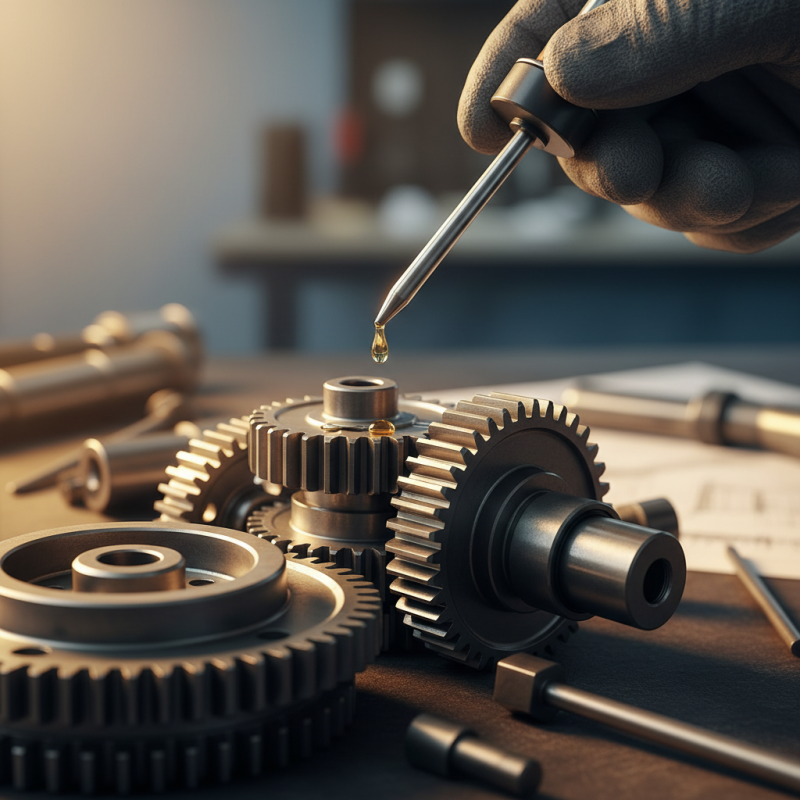
Lubrication plays a crucial role in reducing wear and tear on mechanical components. Choosing the right type of lubricant is essential. Different environments, temperatures, and loads require specific lubricants. For instance, high-temperature operations may need synthetic oils that maintain their properties under heat.
Applying the correct amount of lubricant also matters. Too little can lead to friction, while too much can cause contaminants to gather. Ensuring a clean application area is vital to avoid introducing debris. Regular checks and maintenance are essential. Over time, lubricants degrade, losing their effectiveness. Regularly monitoring lubricant condition can catch issues early.
Creating a lubrication schedule helps avoid neglect. It can serve as a reminder for maintenance teams to assess and replenish lubricants. However, it’s essential to periodically review lubrication practices. Are we using the best lubricant for the task? Are there better methods available? Continuous improvement is key to optimizing component longevity.
Material selection plays a crucial role in enhancing the durability and performance of mechanical components. Choosing the right materials minimizes wear and tear over time. For instance, metals like steel and aluminum have different properties affecting their resistance to corrosion and fatigue. Engineers must evaluate the operating environment before selecting materials.
High-stress applications may require stronger alloys, while lighter options are better for efficiency.
Understanding the specific needs of each component aids in making informed decisions. Some materials offer better thermal stability, while others excel in impact resistance. However, the right choice isn't always clear-cut. Factors like cost, availability, and compatibility can complicate the selection process. As such, continuous learning about new materials and technologies is essential.
Sometimes, even the best materials can fail under unexpected conditions. Regular testing and analysis of components are necessary to identify weaknesses. Employing advanced simulations also helps predict performance outcomes. It’s important to remain adaptable and innovative with material choices to mitigate unforeseen issues. Effective communication between engineers and material scientists fosters better long-term solutions for mechanical durability.
Predictive maintenance techniques are revolutionizing how industries manage mechanical components. These methods use data analytics to foresee potential failures before they occur. By closely monitoring equipment health, companies can address issues proactively, reducing unplanned downtime significantly.
Implementing predictive maintenance involves several steps. First, sensors are placed on critical equipment to gather real-time data. This data is analyzed for patterns that indicate wear and tear. Anomalies trigger alerts to maintenance teams. The goal is to fix problems before they escalate.
However, transitioning to predictive maintenance is not without challenges. Integrating new technologies can be complex. Some staff may require extensive training. There can also be resistance to change from traditional maintenance practices. It's essential to continuously reassess strategies and improve processes, ensuring reliability and efficiency.
Analyzing load distribution is essential in extending the lifespan of mechanical components. Proper load management reduces stress concentrations and minimizes wear. According to a study by the American Society of Mechanical Engineers, optimized load distribution can reduce failure rates by nearly 30%. This data underscores the necessity of maintaining a balanced load across moving parts.
Misaligned components can lead to uneven wear, significantly shortening their operational life. For instance, a study published in the Journal of Engineering Tribology found that misalignment increased wear by almost 50% in certain mechanical systems. Regular monitoring of components and recalibration can help in spreading the load evenly. Employing simple techniques, such as adjusting the positioning of gears or bearings, can make a substantial difference.
Furthermore, materials play a crucial role in distributing loads effectively. Recent advancements show that using high-performance alloys can enhance the durability of components under heavy loads. Interestingly, some industries still rely on outdated materials, risking efficiency and reliability. Inadequate attention to load distribution can hurt overall performance and lead to higher maintenance costs.
Environmental conditions significantly affect the wear rates of mechanical components. Factors like humidity, temperature, and dust contribute to accelerated wear. For example, high humidity can lead to corrosion, while excessive heat may soften materials. Each environment demands tailored strategies for mitigation.
One effective way to reduce wear is to regularly monitor the operational environment. Use sensors to track humidity and temperature levels. This data allows you to make informed decisions about maintenance schedules and component materials. Implementing regular cleaning routines also combats dust accumulation, which can exacerbate wear.
Tips for prevention include using lubricants suited for extreme weather conditions. Select materials resistant to corrosion or fatigue where possible. Additionally, consider protective coatings that can extend the lifespan of components. In practice, understanding your work environment is crucial. Pay attention to changes that could impact wear rates. Regular assessments can reveal insights into the most effective strategies you might be overlooking.
: Material selection affects the durability and performance of components, reducing wear and tear over time.
Engineers should consider properties like corrosion resistance, thermal stability, and impact resistance.
Predictive maintenance uses data analytics to predict failures by monitoring equipment health and analyzing wear patterns.
Integration of new technology can be complex, requiring staff training and overcoming resistance to change.
Proper load management reduces stress, minimizing wear and potentially lowering failure rates significantly.
Misalignment can cause uneven wear, drastically shortening the operational life of mechanical systems.
New materials and technologies evolve frequently, requiring engineers to stay updated for better decision-making.
Using high-performance alloys can enhance durability under heavy loads and improve overall component efficiency.
Regular monitoring and recalibration of components help maintain a balanced load, reducing wear and prolonging lifespan.
Regular testing and analysis are critical for identifying weaknesses in materials to mitigate unforeseen issues.
In addressing the question of "How to reduce wear and tear of mechanical components," various strategies can be implemented to enhance the longevity and performance of machinery. Effective lubrication is crucial, as it minimizes friction between moving parts, thereby reducing wear. Additionally, material selection plays a significant role, with the right materials offering better durability under specific conditions. Predictive maintenance techniques enable proactive monitoring and timely interventions, reducing unexpected downtime and extending component life.
Analyzing load distribution is another essential strategy; ensuring that forces are evenly distributed can prevent localized wear and enhance the lifespan of moving parts. Moreover, environmental conditions, such as temperature and humidity, can significantly impact wear rates. Therefore, understanding these factors and implementing appropriate mitigation strategies is vital for maintaining the efficiency and reliability of mechanical components. Together, these approaches can effectively address the challenge of minimizing wear and tear in mechanical systems.

Xinli Technology