Choosing parts for heavy-duty mechanical equipment is crucial for operational efficiency. Understanding how to choose parts for heavy-duty mechanical equipment is essential for any business. High-quality components enhance performance and durability.
Many factors influence part selection, including manufacturing standards and material quality. Equipment downtime can result in significant financial loss. A reliable source for parts can be the difference between a smooth operation and constant repairs.
Experience plays a vital role here. Seek advice and insights from industry experts. They can provide guidance based on real-world applications. It is also important to reflect on your past choices. Sometimes, the economy might push you toward cheaper options, leading to long-term issues. Balancing cost and quality is essential for sustainable operation.
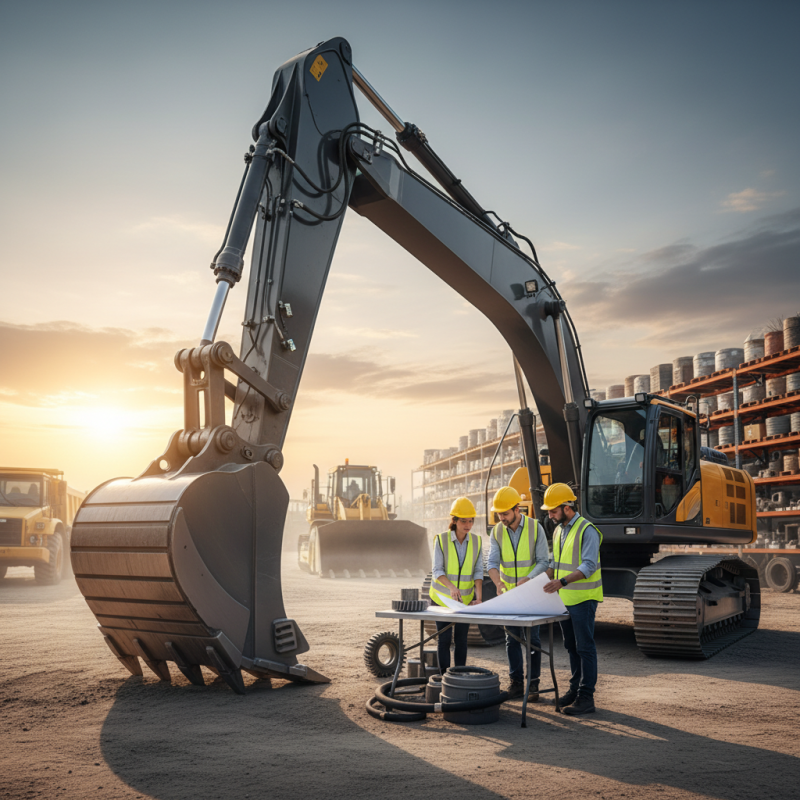
When selecting parts for heavy-duty equipment, understanding the unique requirements is crucial. These machines operate in demanding environments. The parts must withstand extreme conditions, such as high stress and heavy loads. Durability and reliability are non-negotiable.
Tip 1: Assess the specific conditions your equipment faces. Knowing the terrain and usage can guide you in choosing the right parts. For instance, equipment working in muddy areas may need components with enhanced corrosion resistance.
Tip 2: Evaluate material compatibility. Heavy-duty equipment often uses components made from steel or composites. Ensure these materials can handle the operational demands and environmental factors. Choosing the wrong material might lead to frequent failures.
Tip 3: Consult knowledgeable suppliers. Experienced professionals can provide valuable advice on part selection. They often have insights into the performance of various components in real-world scenarios. Learning from their expertise can save time and costs in the long run.
When choosing parts for heavy-duty equipment, evaluating material quality and durability is critical. Materials play a key role in the performance and lifespan of equipment components. Steel is a common choice, but grades vary. High-strength steel offers better longevity. It’s essential to understand the specific applications and stresses the part will encounter.
Consider conducting material tests. Testing might include hardness and tensile strength assessments. These tests can reveal how well a part will withstand wear. Durability is often linked to environmental exposure, such as moisture or extreme temperatures. Be aware that some materials corrode faster than others, impacting overall performance.
Not all suppliers provide transparent information. It’s important to ask questions about sourcing and manufacturing processes. High-quality parts often come from trusted providers with proven track records. Reflect on previous purchases. Were there issues with certain materials? Learning from past experiences can guide future decisions. You should prioritize suppliers who offer detailed specifications and are open to questions about their materials.
When choosing parts for heavy-duty equipment, assessing compatibility with existing machinery is crucial. Research indicates that up to 40% of equipment failures stem from incompatible components. Ensuring that new parts align with specifications can prevent significant downtime and costly repairs.
Understanding the exact requirements of your machinery is essential. Check manufacturer specifications thoroughly. Consider factors such as load capacity, dimensions, and material compositions. Evaluating these aspects can help avoid mismatched components that lead to inefficiency.
Tip: Always consult expert references or industry reports. These resources offer insights into standard practices and may even highlight common pitfalls. Engage with professionals who have firsthand experience. They can provide guidance based on real-world observations, which theoretical knowledge may overlook.
Another important aspect is cross-referencing parts with existing systems. You must know how new additions will impact overall performance. For instance, integrating a new engine component may require adjustments in the powertrain. This type of assessment ensures a seamless transition and enhances operational efficiency while reducing the risk of unexpected failures.
When selecting parts for heavy-duty equipment, consider the balance between cost and performance carefully. A lower-priced part may initially seem attractive. However, it can lead to higher long-term expenses due to frequent replacements and repairs. Analyze the material quality, design, and warranty offered. Reliability is paramount for heavy-duty tasks.
Investing in reputable components often yields better performance. Durable parts minimize equipment downtime. They boost productivity and save money over time. Remember, quality doesn’t always mean the most expensive. Compare options critically. What is the trade-off between cost and the expected lifespan? Sometimes, a mid-range component outperforms a high-end one.
Reflect on your unique operational needs and usage patterns. Will the equipment be subjected to extreme conditions? Understanding your environment helps you choose wisely. Keep in mind that even trusted parts may fail occasionally. Having a plan for contingencies can save a business from significant losses. Balancing cost and performance requires ongoing evaluation and adaptation. This way, your investments align with operational goals and equipment reliability.
| Tip No. | Tip | Consideration | Long-Term Benefits |
|---|---|---|---|
| 1 | Evaluate Material Quality | Durability and performance under stress | Reduced replacement costs |
| 2 | Consider Compatibility | Ensure part fits existing systems | Minimized downtime and installation issues |
| 3 | Assess Vendor Reputation | Check reviews and feedback | Confidence in product reliability |
| 4 | Analyze Cost vs. Performance | Balance budget with quality needs | Optimized ROI over time |
| 5 | Seek Warranty Options | Coverage terms and duration | Protection against defects |
| 6 | Review Technical Specifications | Understand technical needs | Informed purchasing decisions |
| 7 | Plan for Maintenance | Understand maintenance requirements | Extended life of equipment |
| 8 | Examine Delivery Times | Anticipate sourcing lead times | Planning for operational needs |
| 9 | Inquire About Support Services | Available technical support | Quick resolutions to issues |
| 10 | Make Informed Comparisons | Compare multiple options | Best value for investment |
When choosing parts for heavy-duty equipment, researching reliable suppliers is crucial. Evaluate their reputation in the industry through customer reviews and case studies. According to recent industry reports, 75% of buyers prioritize supplier reputation when purchasing parts. This highlights the significance of selecting trustworthy sources.
Tip: Look for suppliers with transparent business practices. Check for certifications and compliance records. Suppliers with strong quality assurance processes are often better equipped to meet your needs. Their proven track records ensure they provide durable parts that can withstand harsh conditions.
Consider reaching out to industry experts for recommendations. Networking at trade shows or with local associations can provide valuable insights. Reportedly, 60% of successful companies rely on referrals from peers. Engaging with your community can help you identify dependable suppliers. Remember, not every well-known supplier guarantees quality. Take time to assess their experience and service history. A thoughtful approach can lead to more successful equipment performance.
: Material quality affects performance and lifespan. Higher quality materials lead to better durability.
Common tests include hardness and tensile strength. These assess how well a part can withstand wear.
Some materials deteriorate faster due to moisture or extreme temperatures. This can seriously affect performance.
Inquire about sourcing and manufacturing processes. Transparency is vital for ensuring quality and durability.
Research their reputation through customer reviews and case studies. Look for strong quality assurance practices.
Yes, 75% of buyers consider supplier reputation crucial. A trusted supplier is more likely to provide reliable parts.
Certifications demonstrate compliance and quality assurance. They indicate a supplier's capability to meet your needs.
Absolutely. Reflect on past purchases to identify issues you've faced with certain materials.
Engaging with industry experts or local associations can provide insights into dependable suppliers.
Not always. Take time to assess their experience and service history. A thoughtful approach pays off.
When considering how to choose parts for heavy-duty mechanical equipment, it is essential to understand the specific requirements that these powerful machines necessitate. Factors like material quality and durability play a crucial role, as heavy duty equipment must withstand demanding conditions. Evaluating compatibility with existing machinery ensures seamless operation, while balancing cost versus performance is vital for making a sound long-term investment.
Additionally, conducting thorough research on reliable suppliers and their industry reputation can significantly impact the quality of parts acquired. By focusing on these key aspects, operators and maintenance teams can make informed decisions that enhance the efficiency and lifespan of heavy-duty equipment while minimizing potential operational issues.

Xinli Technology