Choosing cost-effective mechanical equipment parts is not simply a matter of selecting the lowest price. In real workshops, a cheap bearing, seal, or gear can create vibration, downtime, and expensive repairs. Experienced maintenance teams examine service life, material quality, dimensional accuracy, and compatibility before approving a replacement. They also review supplier records, inspection reports, warranty terms, and delivery reliability. A part that arrives quickly but fails after two weeks is not economical. Not really.
This guide explores How to choose cost-effective mechanical equipment parts with practical judgment and technical discipline. It considers total ownership cost, not just the invoice amount. For example, a properly hardened gear may cost more initially but withstand repeated loads and reduce maintenance interruptions. Reliable manufacturers should provide traceable specifications, testing evidence, and clear installation guidance. Independent standards can support decisions, but they should not replace hands-on verification. Measure the shaft. Check the load. Confirm the environment.
No checklist is perfect. A part may meet its stated dimensions yet perform poorly under heat, dust, moisture, or sudden shock. Therefore, purchasing decisions should combine engineering data with maintenance experience and documented performance. Careful comparison helps organizations protect equipment, control budgets, and avoid preventable failures. The best value is dependable performance over time.
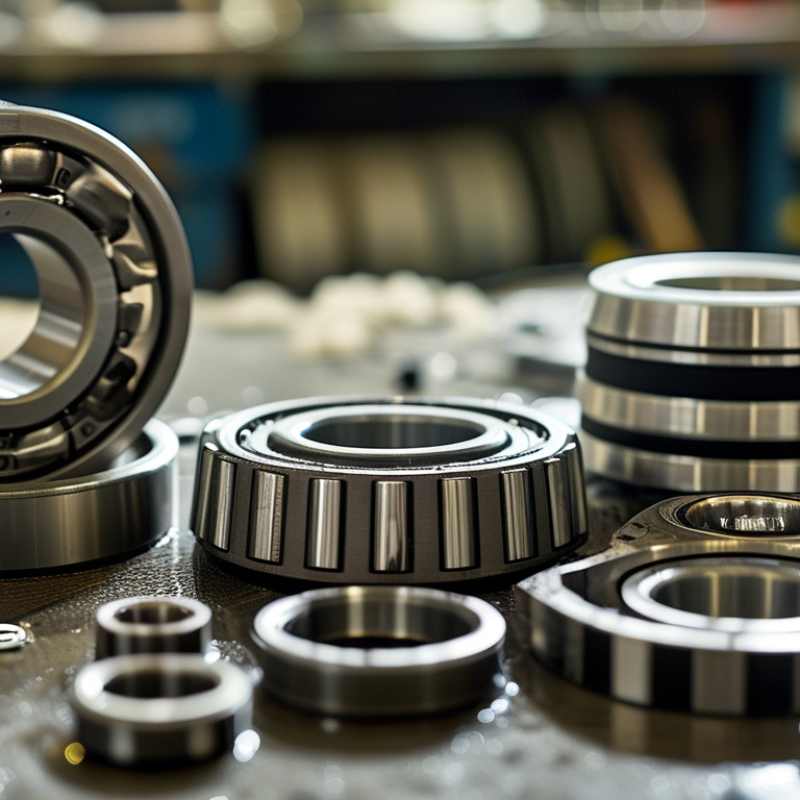
Cost-effective mechanical equipment parts are not simply the cheapest components on a purchasing list. They deliver dependable performance, suitable tolerances, and reasonable lifecycle costs. A bearing that costs less but fails after three months may create emergency labor, shipping delays, and production losses. The real measure is value over time.
The International Energy Agency reports that electric motor systems consume about 45% of global electricity. This makes efficient parts, such as properly sized couplings, seals, belts, and motor components, financially important. The U.S. Department of Energy also notes that compressed-air systems can lose 20% to 30% of their output through leaks. A correctly specified seal may therefore reduce wasted energy, not just prevent contamination.
In maintenance work, I have found that compatibility often matters more than a low invoice price. Check operating temperature, shaft speed, load, alignment, material, and service conditions before ordering. ISO 55001 promotes lifecycle value and risk-based asset decisions, which supports this approach. The calculation is rarely perfect. Dust, vibration, and irregular workloads can change results quickly. A part with a clear inspection history and stable dimensions is usually easier to trust. Still, “cost-effective” can be overstated when suppliers provide no test data, traceability, or expected service life. Procurement teams should compare total cost, including installation time, downtime exposure, energy use, and replacement frequency.
Mechanical equipment ownership costs extend far beyond the purchase price. In daily maintenance work, a small worn bushing can create vibration, heat, and premature failure. Cost-effective parts help control these risks when they match operating requirements. A properly specified seal can prevent lubricant loss around a pump shaft. That simple replacement may protect bearings and reduce emergency labor. Not every inexpensive part is economical. Fit, material grade, tolerance, and service life matter more than the invoice.
Reliable maintenance teams compare total cost, not unit price. They review temperature, load cycles, contamination, and replacement intervals before selecting a component. A durable coupling insert may cost more initially but reduce shutdowns during heavy production. Standardized dimensions can simplify inventory and shorten repair time. Fewer part types mean fewer storage errors. They also make technician training easier. These savings appear gradually, so accurate maintenance records remain essential. A repair log should include failure causes, installation dates, labor hours, and operating conditions.
Preventive replacement can lower ownership costs when inspections reveal measurable wear. However, replacing usable parts too early wastes budget and materials. This is where judgment matters. Field conditions are rarely perfect. Dust, misalignment, and rushed installation can shorten service life. Clear specifications and documented inspection procedures improve reliability. I would question any projected saving that ignores downtime, safety checks, or rework. The cheapest component may become the most expensive decision after one avoidable failure.
Why Choose Cost Effective Mechanical Equipment Parts?
Which Factors Determine Part Quality and Value?
Part quality begins with material selection, dimensional accuracy, and verified compatibility. A suitable alloy must withstand the equipment’s load, temperature, vibration, and operating environment. Small errors matter. A slightly oversized bearing can create heat, noise, and premature failure. Experienced technicians also check surface finish, hardness, and tolerance records before installation.
Value depends on more than the purchase price. A reliable part should include clear specifications, inspection data, traceable production information, and practical service support. Independent testing or recognized quality procedures can increase confidence. In the field, I have seen inexpensive components perform well when their design matched the application. I have also seen cheap parts cause repeated shutdowns. The difference was often poor fit, not the material alone.
Lifecycle cost deserves careful attention. Installation time, maintenance frequency, energy use, and replacement risk all affect the final value. Corrosion resistance may cost more initially, yet it can extend service life in wet conditions. Still, higher cost does not guarantee better performance. This is easy to overlook. A careful buyer compares duty requirements, expected lifespan, documentation, and warranty terms. I once judged a part too quickly by its price and missed a tolerance issue. That mistake reinforced a simple lesson: measurable evidence should guide the decision, not confident claims.
Selecting replacement parts begins with the machine, not the price tag. Before ordering, record the equipment model, part number, dimensions, and operating conditions. Measure shaft diameter, bolt spacing, thread pitch, and seal thickness with calibrated tools. Measure twice. Small errors can cause major failures. A component may fit the housing but fail under heat, dust, vibration, or continuous load. Review maintenance records when available. They often reveal wear patterns that a catalog cannot explain.
Compare the part’s material, hardness, load rating, temperature range, and expected service life. Request technical drawings, test data, traceability documents, and installation guidance from the supplier. Reliable documentation matters more than confident sales language. Check whether the replacement matches original tolerances, lubrication needs, and safety requirements. In field maintenance work, I have seen technicians replace a worn bearing without inspecting the shaft. The new bearing developed noise within weeks. Fit is not enough. Inspect connected parts before installation, even when the schedule is tight.
Cost effectiveness should include labor, downtime, energy use, and failure risk. A lower purchase price may hide frequent replacements or difficult installation. Request samples when specifications remain unclear, then test them under controlled conditions. Keep inspection photos and measurement records for future decisions. No selection method is perfect. Actual dust, shock loads, and operator habits may differ from published ratings. Review performance after installation and revise the purchasing standard when evidence supports it.
| Selection Dimension | What to Verify | Cost-Effective Choice | Business Benefit | Recommended Priority |
|---|---|---|---|---|
| Equipment Compatibility | Confirm equipment model, part number, dimensions, mounting points, connection type, and operating movement. | Choose a replacement with documented dimensional and functional compatibility rather than selecting by appearance alone. | Reduces installation errors, modification work, and premature component failure. | High |
| Material and Construction | Review material grade, surface treatment, hardness, corrosion resistance, seals, bearings, and load-bearing structure. | Match the material to the working environment, such as moisture, dust, chemicals, heat, impact, or continuous vibration. | Improves service life and helps prevent recurring replacement costs. | High |
| Load Capacity | Check static load, dynamic load, torque, pressure, speed, temperature range, and duty cycle. | Select a part with a rated capacity suitable for the actual operating conditions, including reasonable safety margin. | Supports reliable operation and lowers the risk of overload-related downtime. | High |
| Total Cost of Ownership | Compare purchase price, shipping, installation labor, maintenance, energy impact, failure risk, and disposal cost. | Evaluate the full lifecycle cost instead of choosing the lowest initial price. | Provides a more accurate view of long-term savings and operating efficiency. | High |
| Expected Service Life | Review manufacturer test data, application history, wear characteristics, and expected operating hours. | Choose a part whose estimated life matches the planned maintenance interval and equipment utilization. | Reduces unscheduled maintenance and replacement frequency. | High |
| Dimensional Tolerance | Verify critical dimensions, fit tolerances, shaft or bore size, alignment requirements, and interchangeability. | Use measured specifications and technical drawings when the part affects alignment, sealing, or rotating performance. | Helps prevent leakage, vibration, excessive wear, and assembly delays. | High |
| Quality Documentation | Request material certificates, inspection records, test reports, drawings, and traceability information where applicable. | Prefer suppliers that provide verifiable technical documentation and consistent quality-control procedures. | Improves purchasing confidence and simplifies quality audits. | Medium |
| Standards and Compliance | Check applicable safety, pressure, electrical, environmental, and industry requirements for the equipment. | Select parts that meet the regulations and technical standards relevant to the installation location and application. | Reduces compliance risk, operational hazards, and potential rework. | High |
| Availability and Lead Time | Compare stock status, production schedule, shipping time, minimum order quantity, and emergency supply options. | Use standard, readily available specifications when they meet performance requirements. | Shortens equipment downtime and improves maintenance planning. | High |
| Installation Requirements | Confirm required tools, technician skills, alignment procedures, lubrication, torque values, and commissioning steps. | Choose parts that can be installed using existing maintenance capabilities whenever practical. | Lowers labor costs and reduces the time required to return equipment to service. | Medium |
| Maintenance and Repairability | Assess access for inspection, availability of wear components, lubrication points, and ease of disassembly. | Prefer designs that allow inspection, cleaning, adjustment, or replacement of commonly worn elements. | Improves maintainability and helps control recurring service expenses. | Medium |
| Supplier Technical Support | Evaluate response time, drawing support, application guidance, troubleshooting, and replacement recommendations. | Work with suppliers that can verify specifications and provide clear technical communication. | Reduces selection mistakes and accelerates problem resolution. | Medium |
| Warranty and Returns | Review warranty duration, coverage conditions, claim procedures, exclusions, and return responsibilities. | Choose transparent warranty terms that correspond to the intended operating conditions. | Limits financial exposure if a qualified part fails prematurely. | Medium |
| Risk of Counterfeit or Unverified Parts | Check traceability, packaging information, documentation consistency, and supplier legitimacy. | Purchase through accountable channels and retain inspection and delivery records. | Protects equipment reliability, workplace safety, and maintenance budgets. | High |
| Environmental Conditions | Consider humidity, dust, corrosive agents, outdoor exposure, temperature, washdown, and explosive atmospheres where relevant. | Specify suitable coatings, seals, enclosure protection, and material resistance for the operating environment. | Prevents environment-related degradation and extends usable life. | High |
| Standardization | Review whether the replacement can be used across similar equipment and maintenance locations. | Standardize compatible dimensions and specifications without compromising application performance. | Reduces inventory complexity, training requirements, and purchasing administration. | Medium |
| Trial and Inspection Plan | Define incoming inspection, trial installation, operating checks, vibration or temperature monitoring, and acceptance criteria. | Test a new replacement part in a controlled application before broader deployment. | Identifies compatibility or performance issues before they affect multiple machines. | Medium |
| Purchase Decision Rule | Balance performance, reliability, compliance, availability, serviceability, and total cost. | Select the lowest-total-cost option that satisfies all critical technical and safety requirements. | Creates a repeatable purchasing process and supports measurable cost control. | High |
Note: Actual replacement-part requirements should be confirmed against the equipment manual, technical drawing, operating conditions, applicable regulations, and a qualified maintenance professional.
Why Choose Cost Effective Mechanical Equipment Parts?
What Maintenance Benefits Do Cost-Effective Parts Provide?
Cost-effective mechanical parts can reduce maintenance spending without weakening daily operations. In practical maintenance work, the best savings often come from fewer interruptions. A properly matched seal can prevent oil leakage around a rotating shaft. A durable bearing can keep a conveyor running through long production shifts. Small improvements matter.
Reliable replacement parts also make maintenance planning easier. Technicians can keep essential items in stock and respond faster to common failures. This reduces emergency purchasing and limits equipment downtime. Standardized dimensions can simplify inspections, installation, and future repairs. The right part should fit accurately, perform consistently, and include clear technical information.
However, low price alone is not a maintenance strategy. I have seen inexpensive components create repeated failures after only a short service period. That lesson is easy to overlook. Material quality, operating temperature, load, and maintenance records deserve equal attention. A cheaper part may provide excellent value when its service life matches the application. It may also waste money when selection is based only on price. Careful measurements, supplier documentation, and periodic performance checks help maintenance teams make safer, more reliable decisions.
What maintenance benefits do cost-effective parts provide? This 12-month maintenance scenario compares typical annual costs for equivalent mechanical components, including spare parts, maintenance labor, and unplanned downtime.
Cost-effective parts can reduce total maintenance expenditure when they meet required dimensional, material, and operating specifications. The largest potential savings usually come from lower replacement costs and fewer hours spent on corrective maintenance.
Properly matched parts reduce vibration, heat, lubricant loss, and unexpected failures. A suitable seal can protect bearings around a pump shaft. Lower purchase prices do not always reduce total costs.
Material, dimensions, hardness, surface finish, tolerance, and compatibility all matter. A slightly oversized bearing may create noise and heat. Documentation and service life also affect value.
Lifecycle cost includes labor, downtime, energy use, inspections, and replacement risk. A durable coupling insert may cost more initially. It can reduce shutdowns during heavy production.
Record the equipment model, part number, dimensions, and operating conditions. Measure shaft diameter, bolt spacing, thread pitch, and seal thickness. Measure twice.
Temperature, load cycles, dust, moisture, vibration, and misalignment influence service life. A component may fit physically but fail under continuous heat. Published ratings may not reflect real field conditions.
Request technical drawings, test data, traceability records, tolerances, and installation guidance. Warranty terms can also clarify expected support. Confident claims are not enough.
Replace parts when inspections show measurable wear or rising failure risk. Replacing usable parts too early wastes money and materials. Judgment remains imperfect.
Standardized dimensions reduce storage errors and shorten repair time. Fewer part types make technician training easier. Accurate records still matter.
Rushed installation, poor alignment, contamination, and neglected connected parts can cause early failure. A new bearing may fail if its shaft remains damaged. Fit alone is not enough.
Record installation dates, measurements, failure causes, labor hours, and operating conditions. Keep inspection photos when possible. Review noise, heat, vibration, and service life, then revise purchasing standards when evidence supports it.
Cost-effective mechanical equipment parts are replacement components that balance purchase price, durability, performance, and compatibility. They are not simply the cheapest options; they should provide reliable service, reduce unexpected failures, and support efficient equipment operation. By extending service intervals, lowering energy waste, minimizing downtime, and reducing emergency repair expenses, these parts can significantly decrease total equipment ownership costs over time.
When deciding how to choose cost-effective mechanical equipment parts, businesses should evaluate material quality, manufacturing consistency, dimensional accuracy, operating conditions, expected service life, and supplier support. A suitable part must match the equipment’s specifications and workload while offering dependable performance. Properly selected parts also make maintenance easier by simplifying inspections, replacement, lubrication, and inventory planning. Comparing lifecycle value rather than only the initial price helps companies choose components that improve safety, productivity, and long-term maintenance efficiency.

Xinli Technology