Xinli Technology

1. The Critical Role of Industrial Control System (ICS) Components in Smart Automation
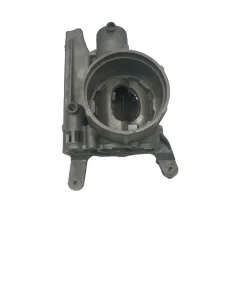
In the contemporary paradigm of Industry 4.0, Industrial Control System (ICS) Components form the physical backbone of global industrial automation. From Programmable Logic Controllers (PLCs), Human-Machine Interfaces (HMIs), and Supervisory Control and Data Acquisition (SCADA) hardware chassis to precision actuators, robotic arm housings, and hydraulic pump housings, these components must endure severe mechanical stress, thermal expansion, electromagnetic interference (EMI), and aggressive corrosive environments.
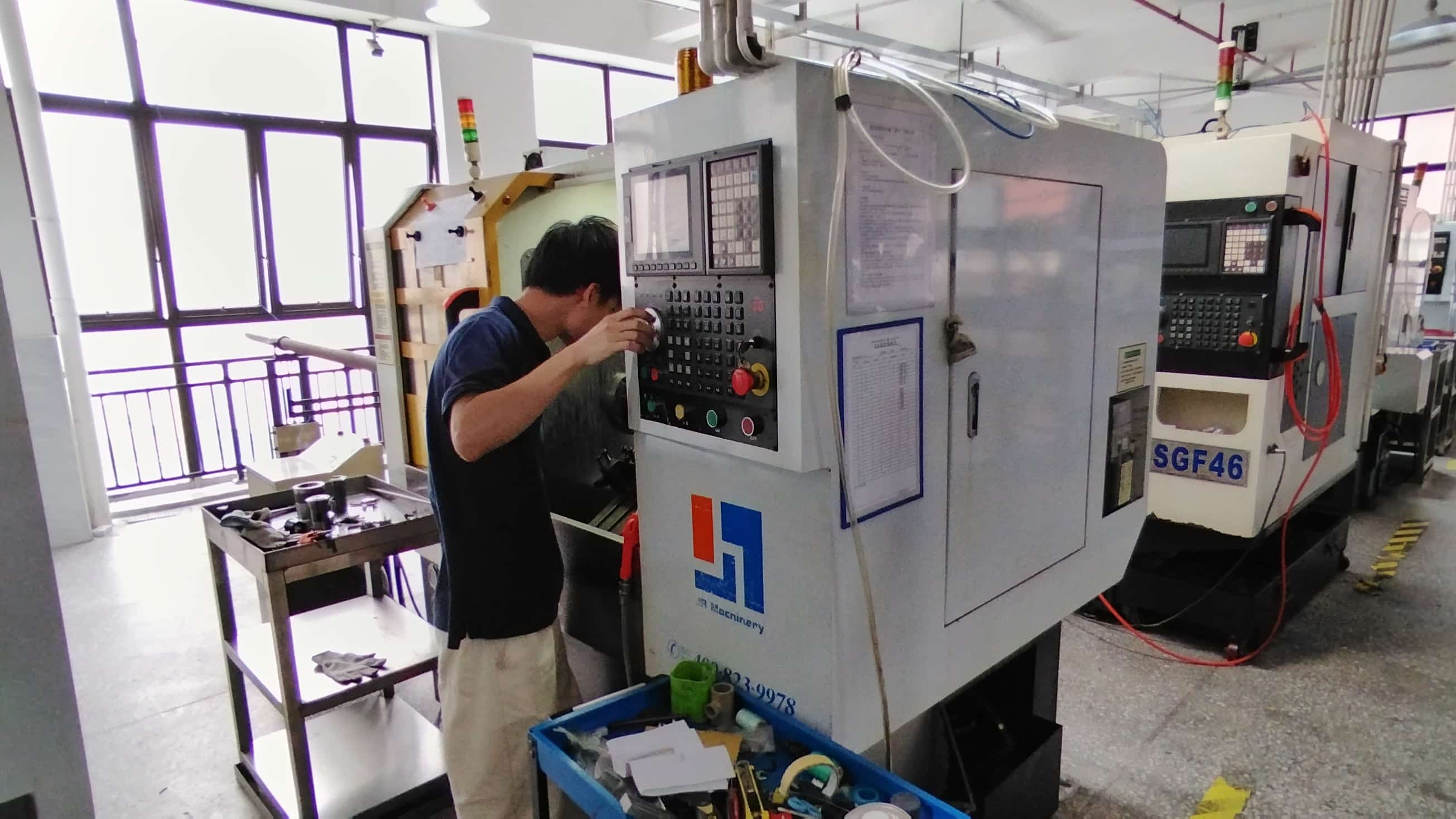
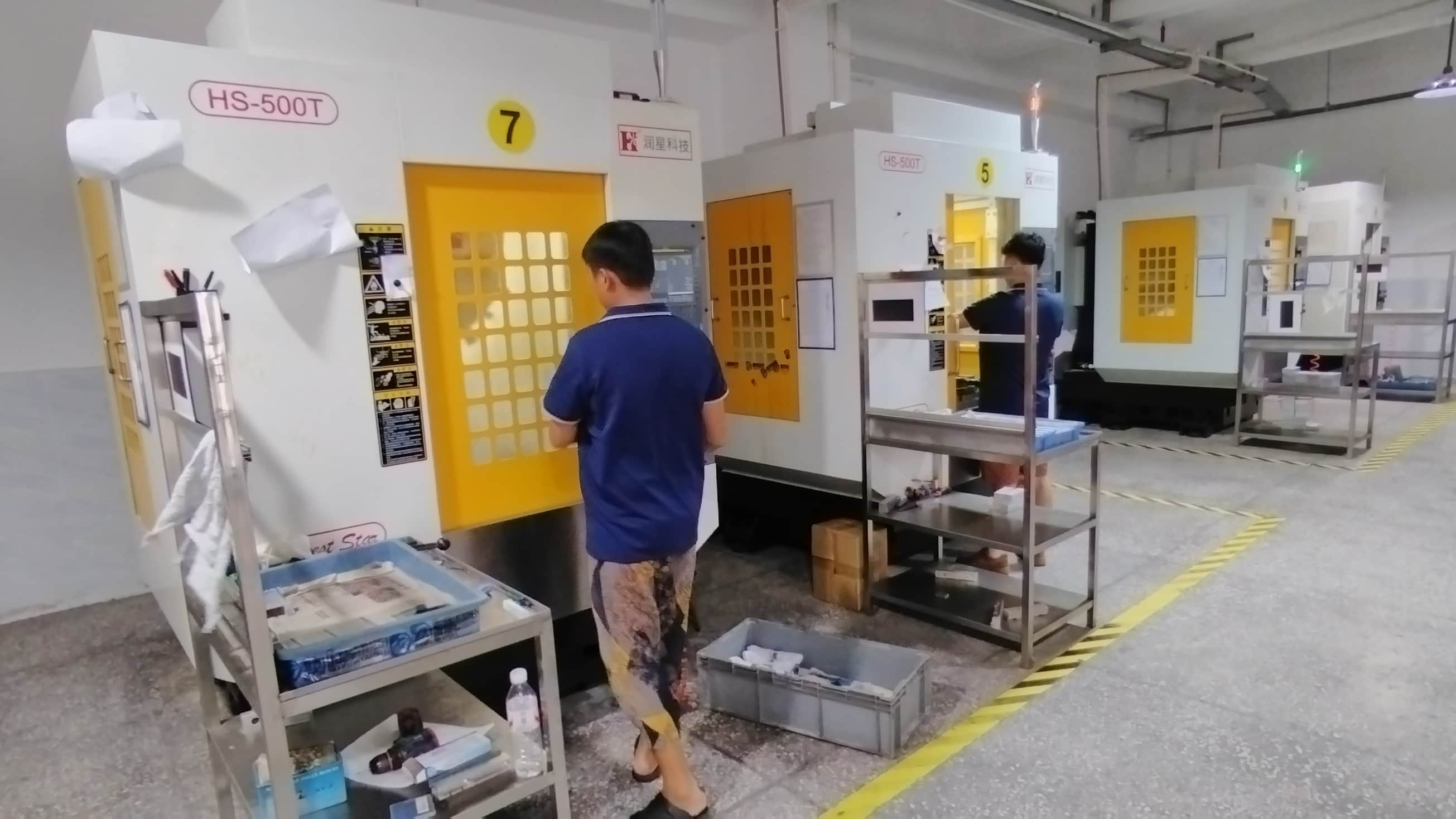
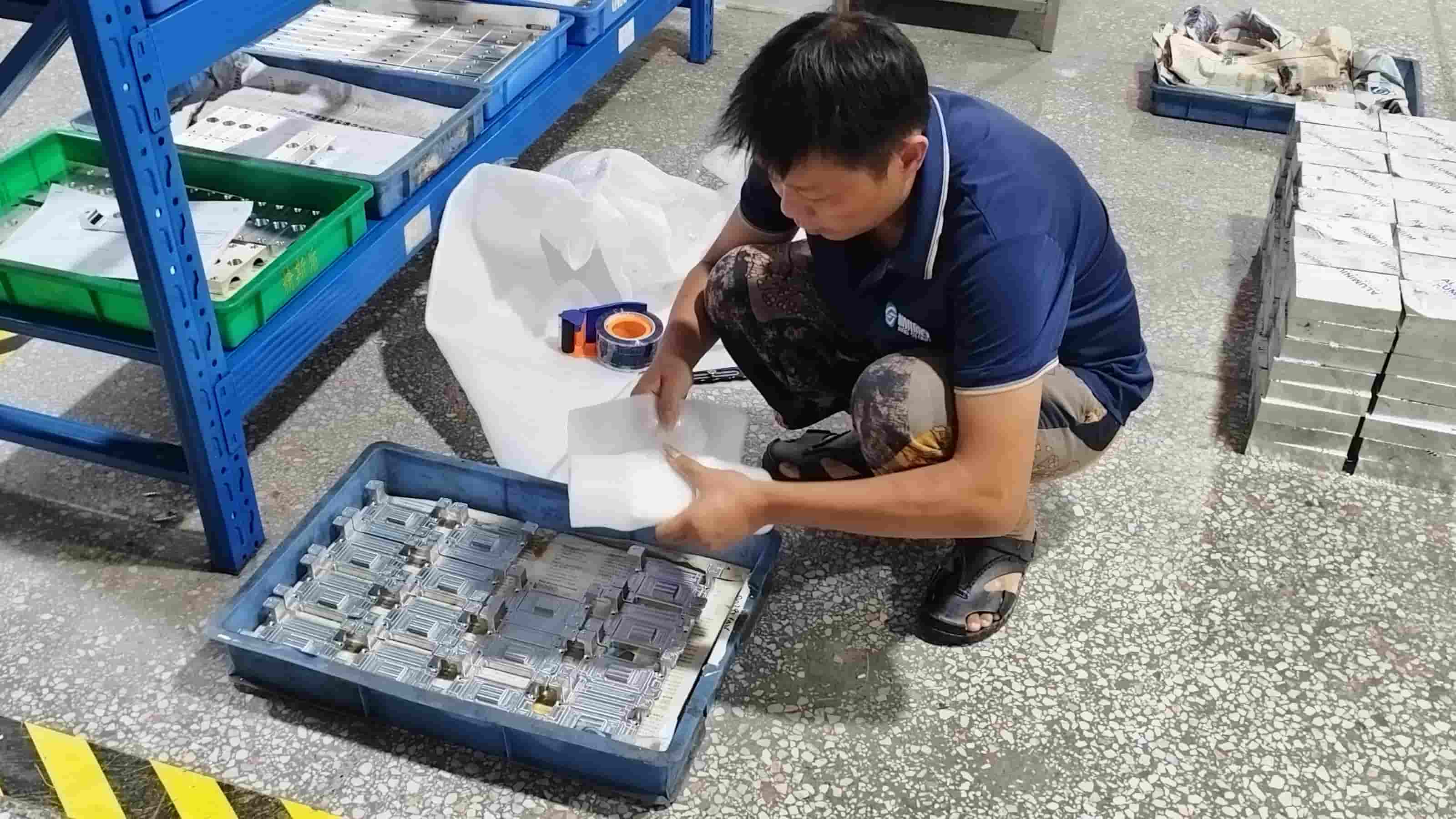
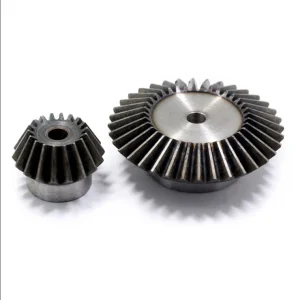
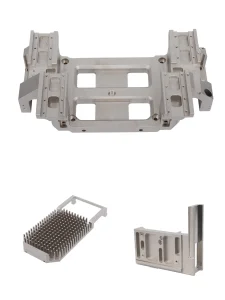
As global manufacturing shifts toward real-time edge computing and autonomous robotic assembly, the demand for custom OEM (Original Equipment Manufacturer) and ODM (Original Design Manufacturer) component fabrication has escalated exponentially. Original equipment manufacturers no longer seek standardized off-the-shelf parts; they require custom-engineered enclosures, thermal-dissipating aluminum vortex covers, micro-injection molded connectors, and high-load power transmission gears capable of zero-downtime performance over decades of operation.
Information Gain: Micro-Tolerance Engineering in Mission-Critical Systems
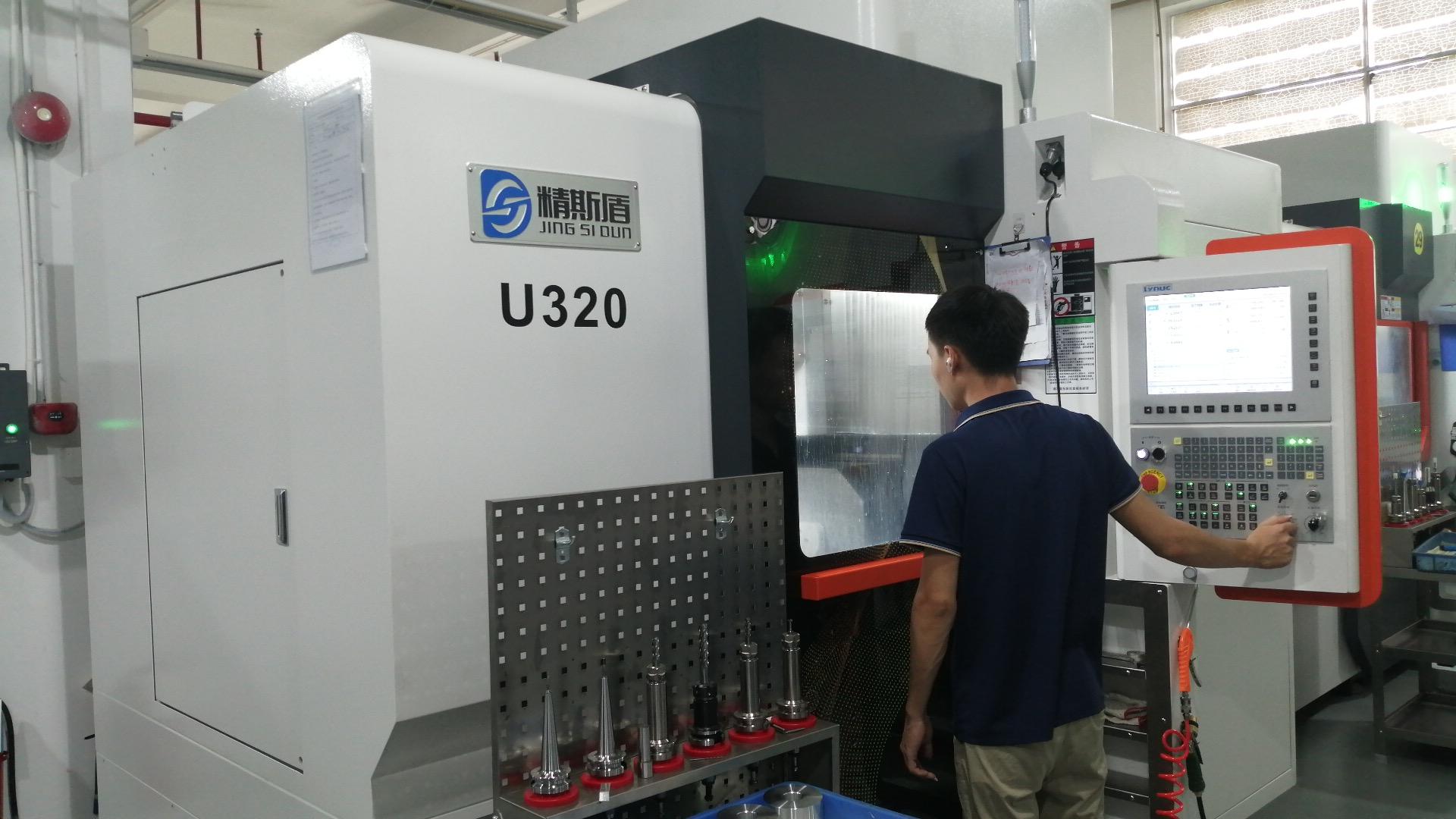
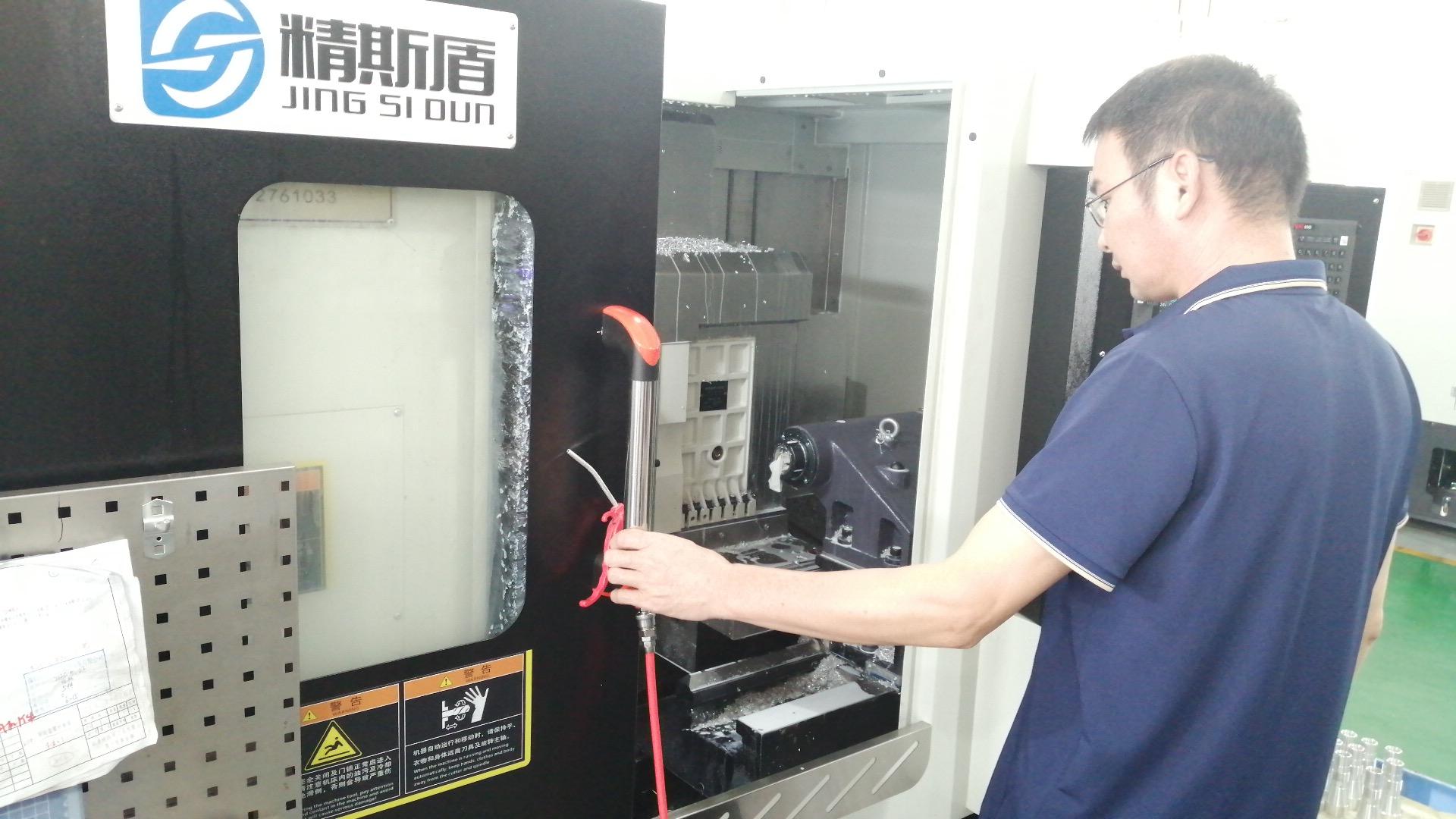
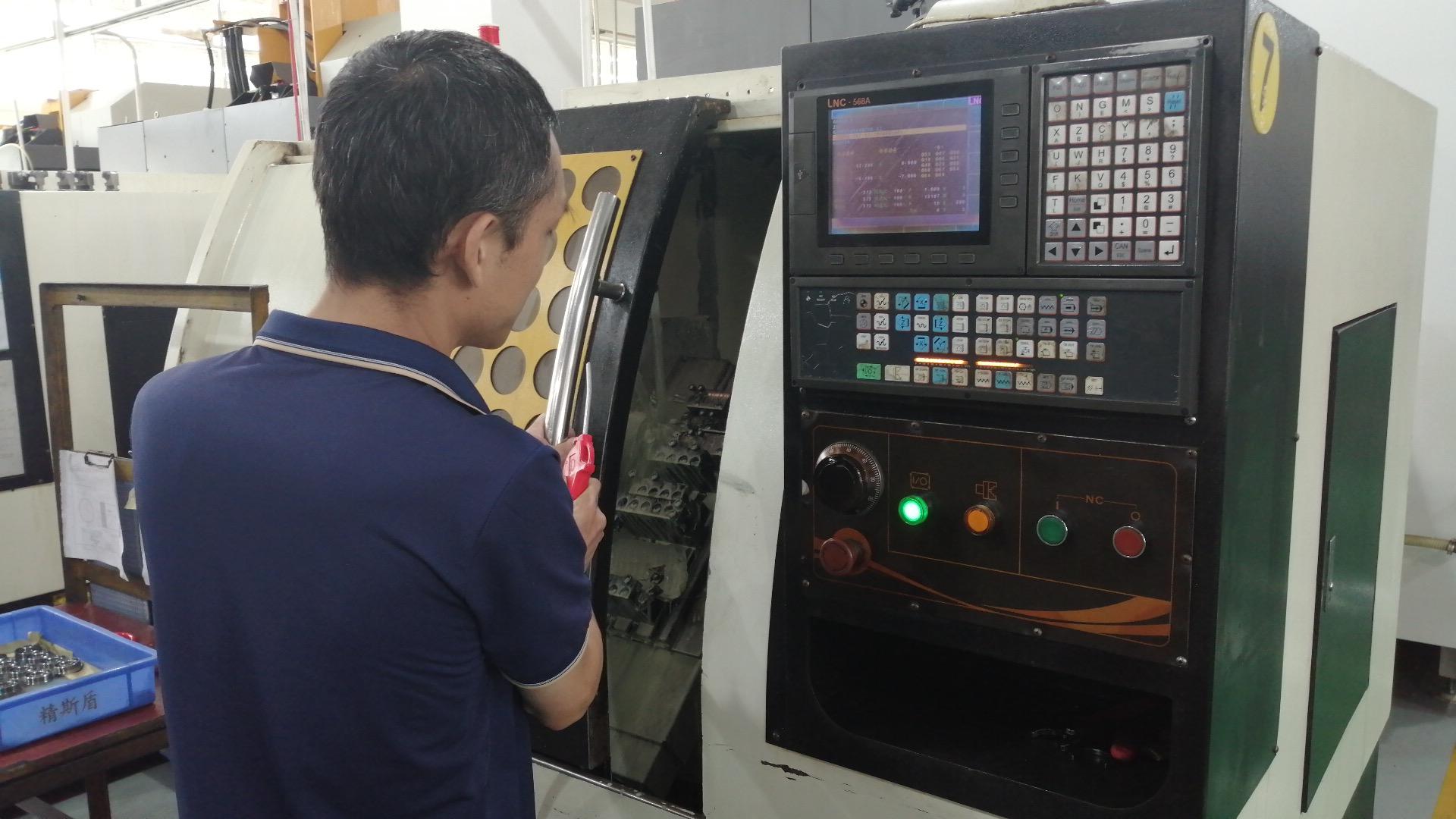
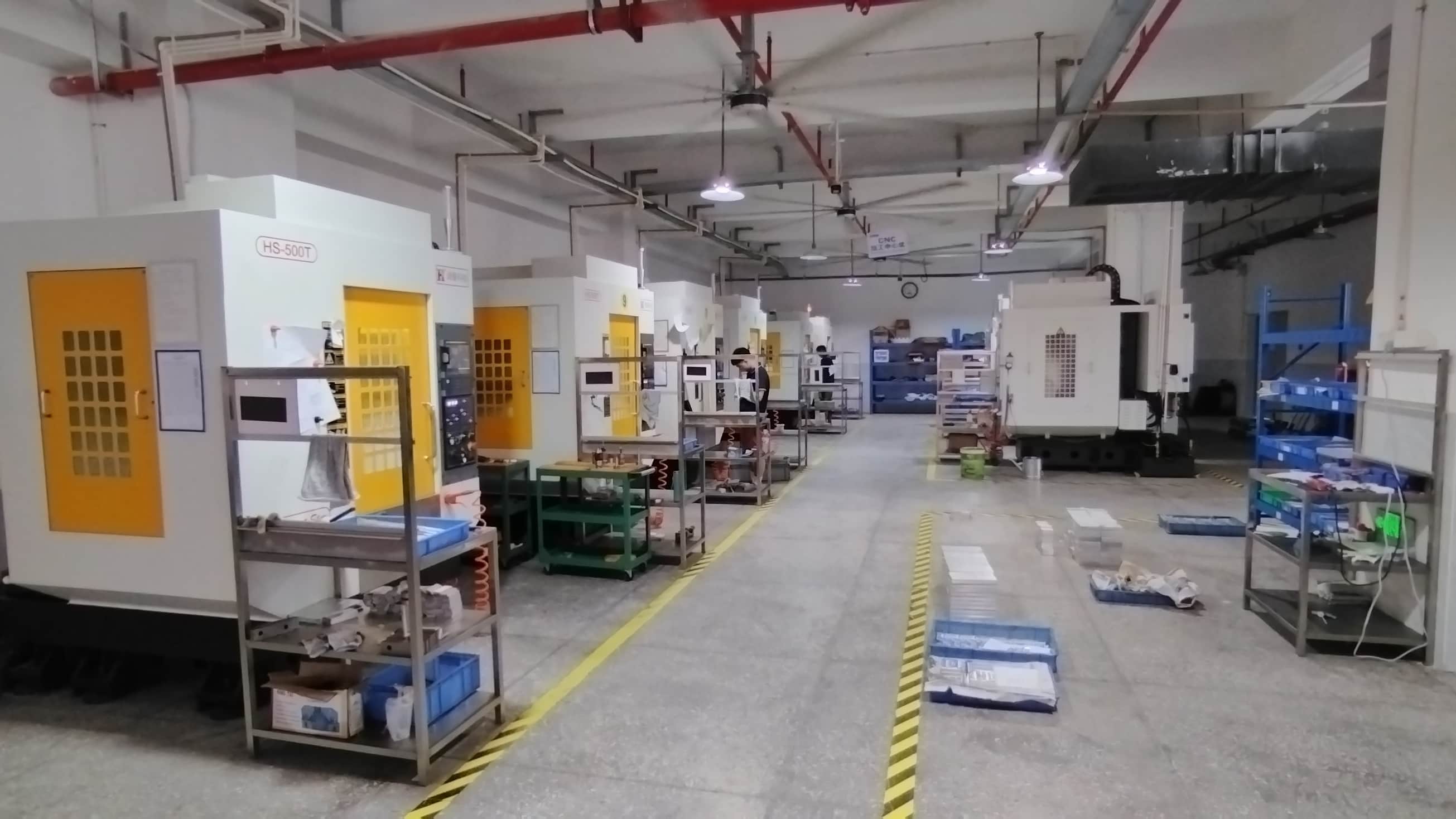
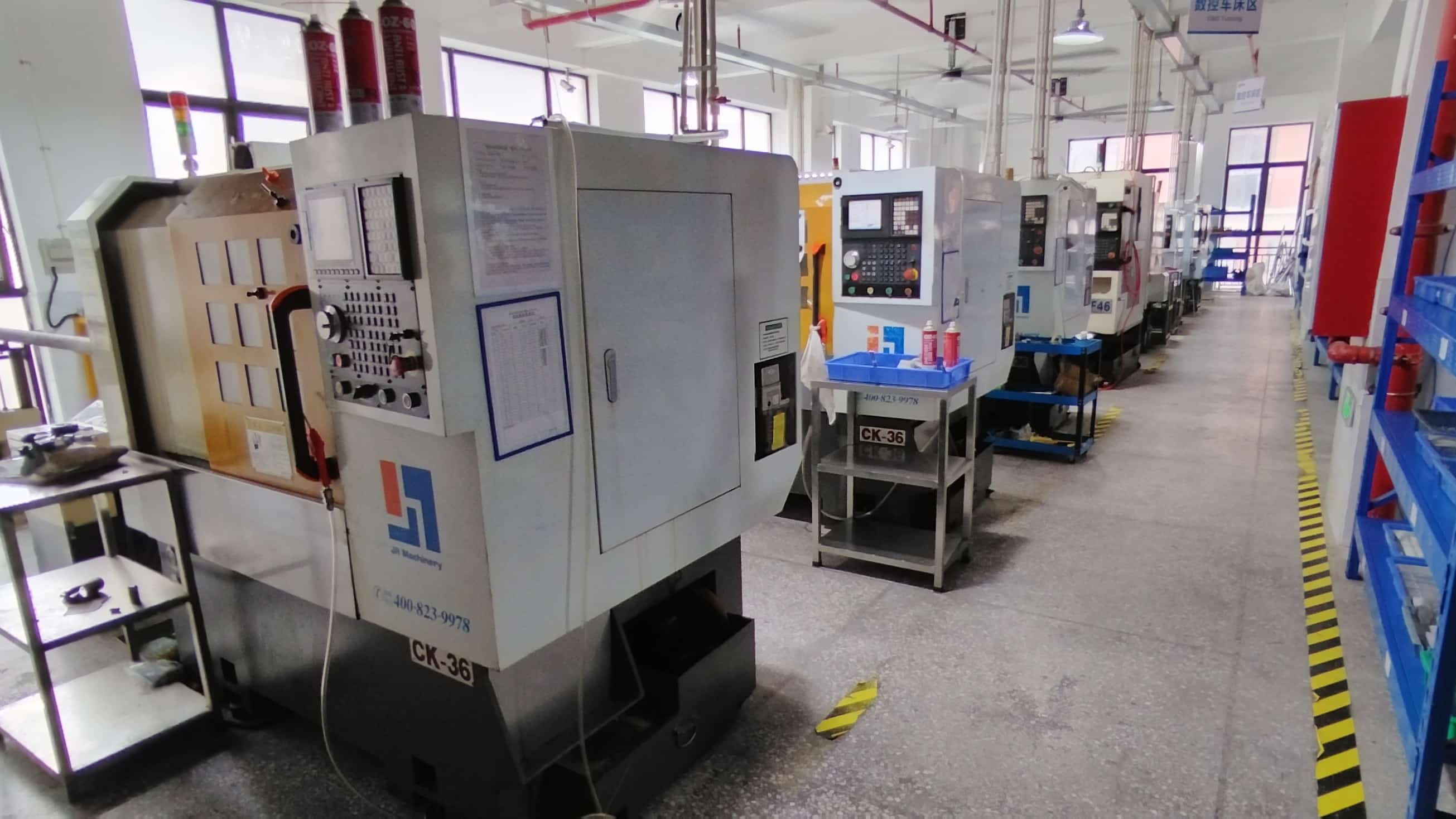
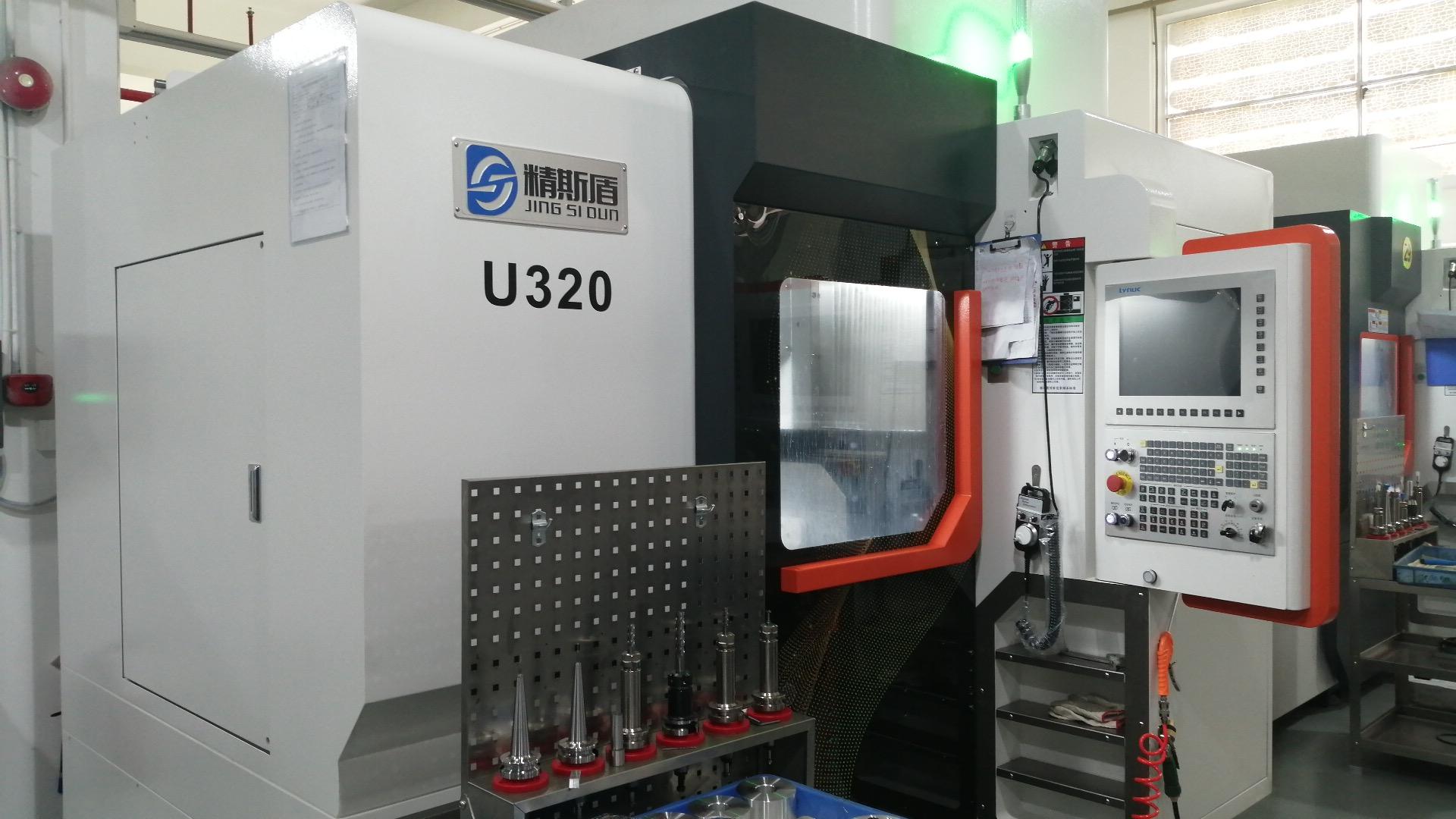
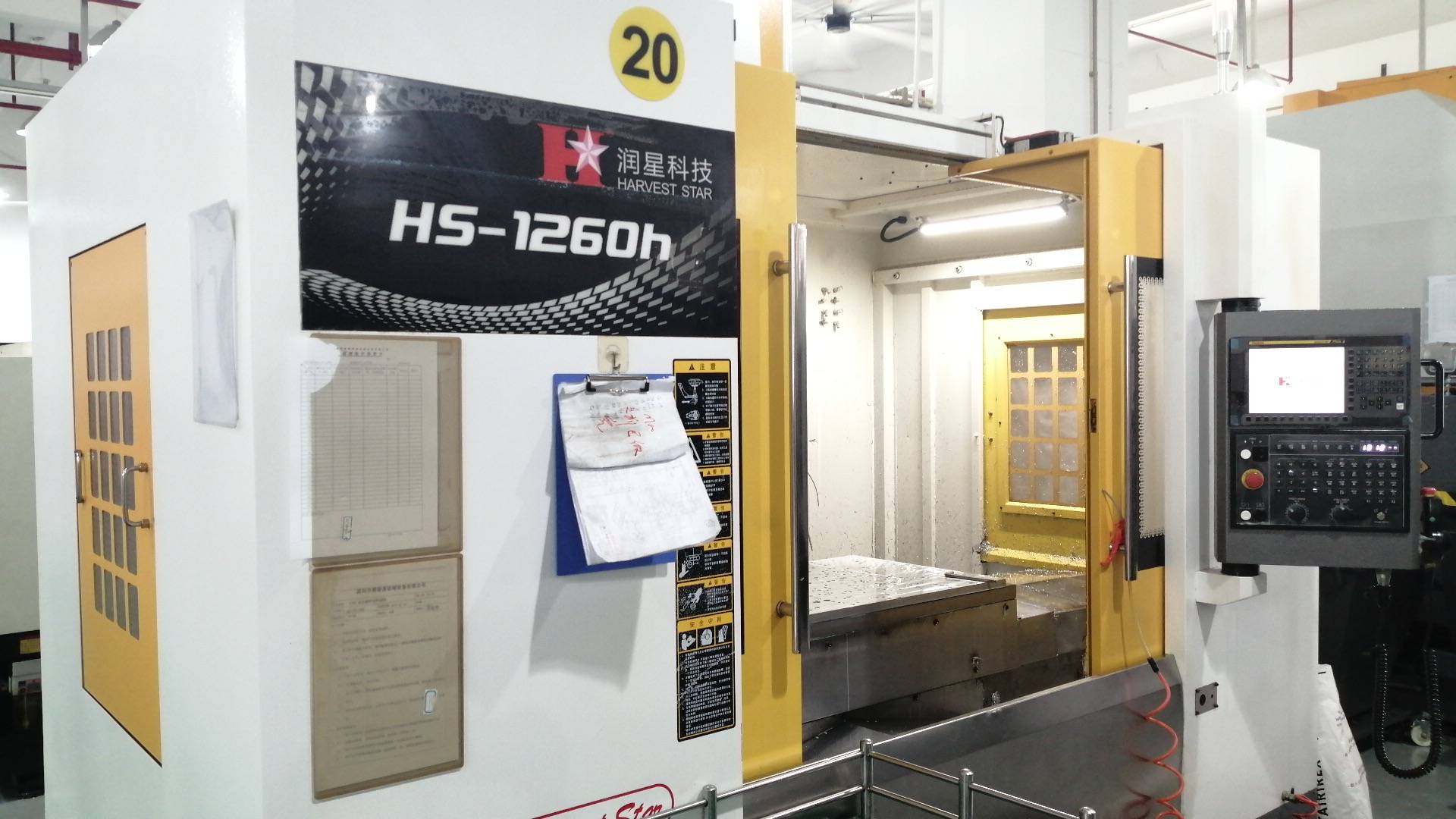
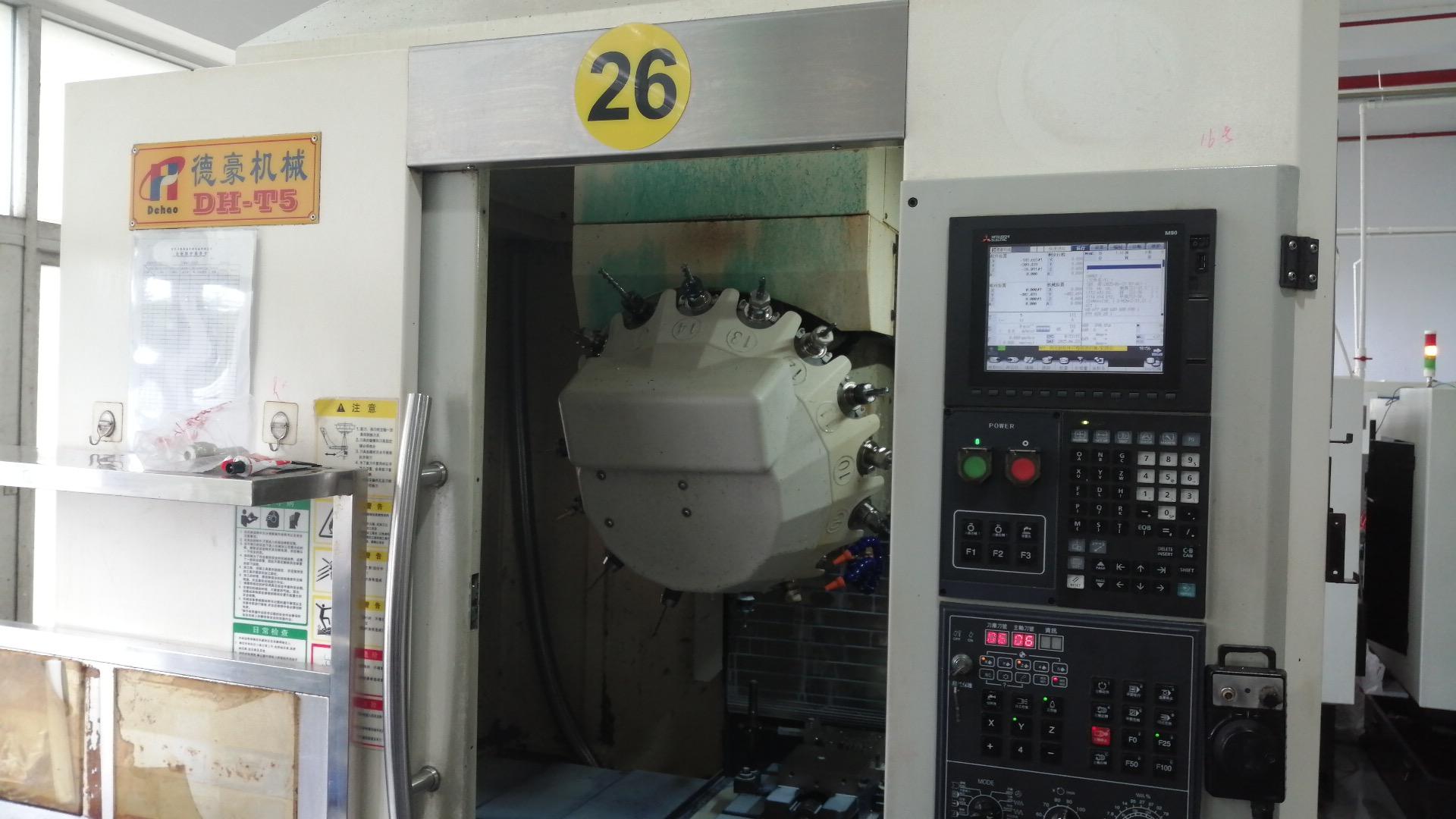
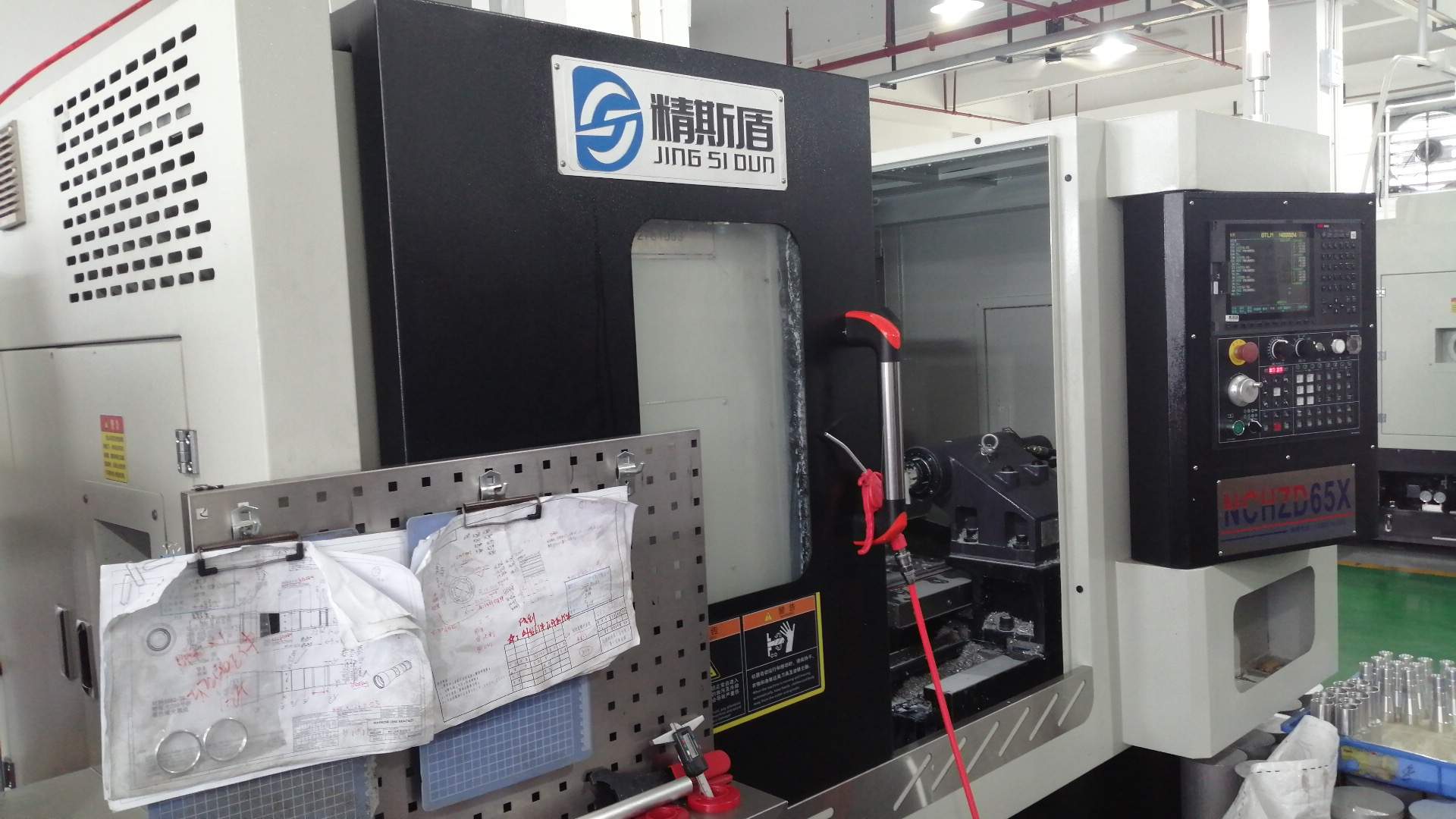
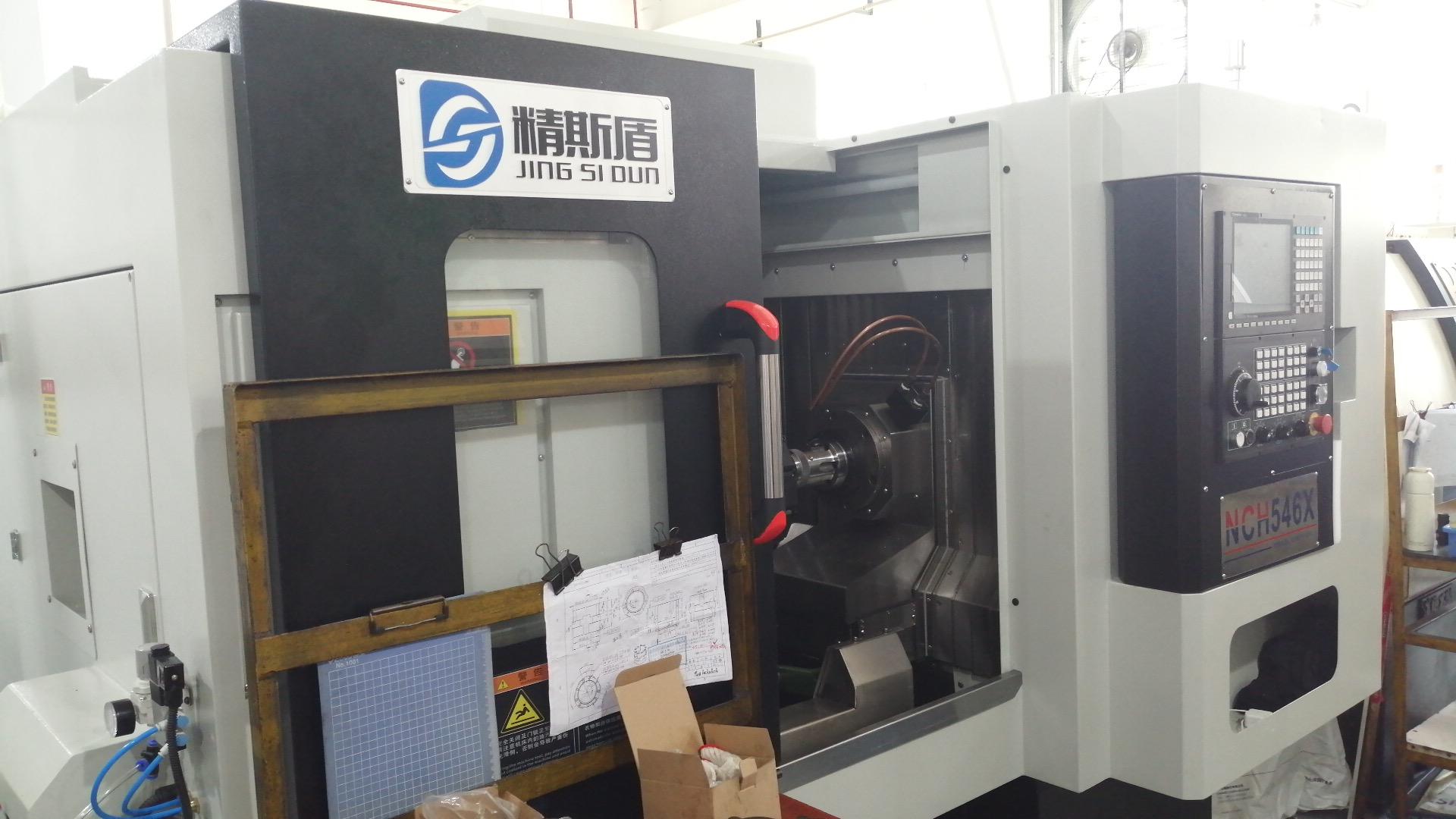
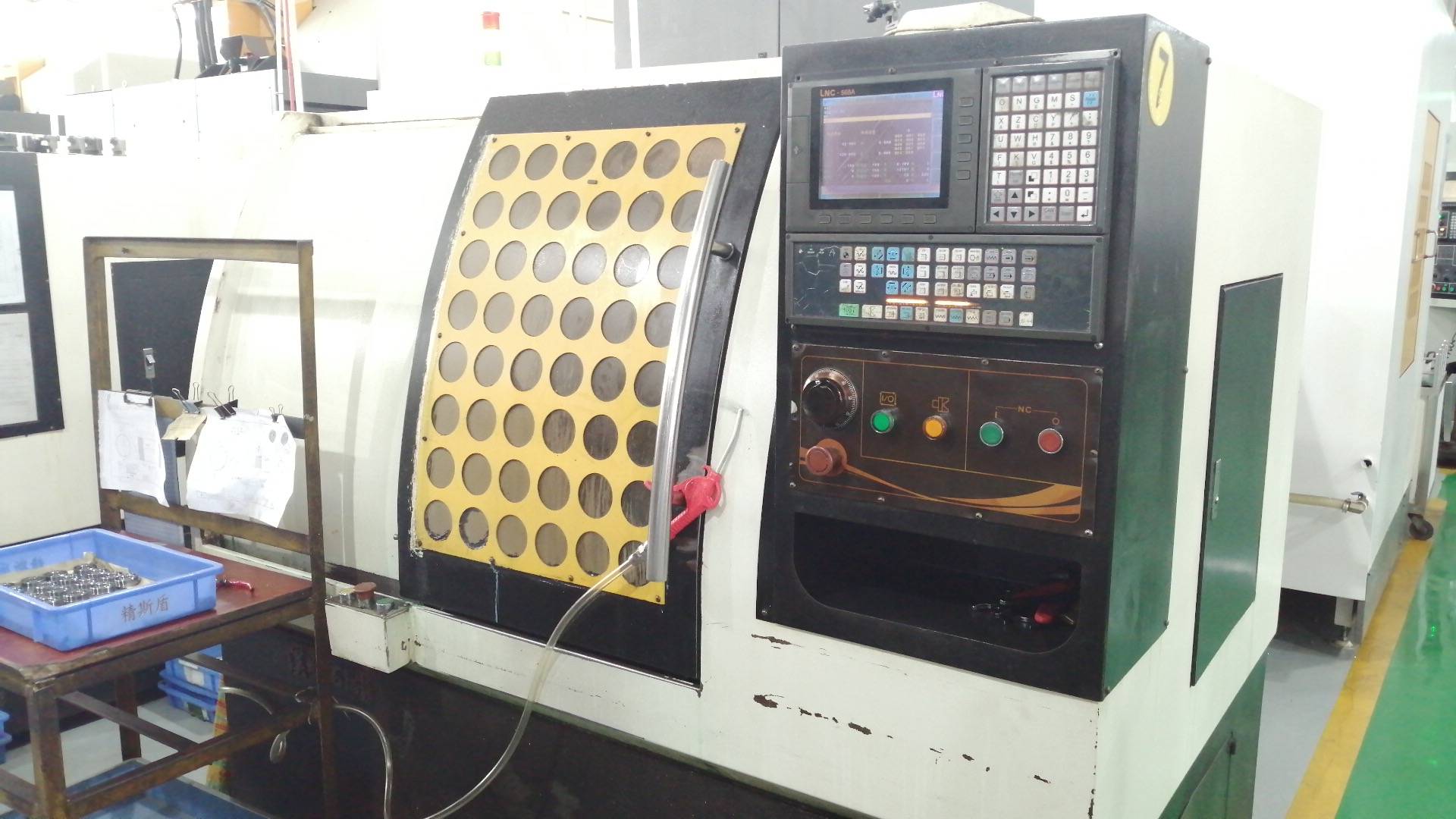
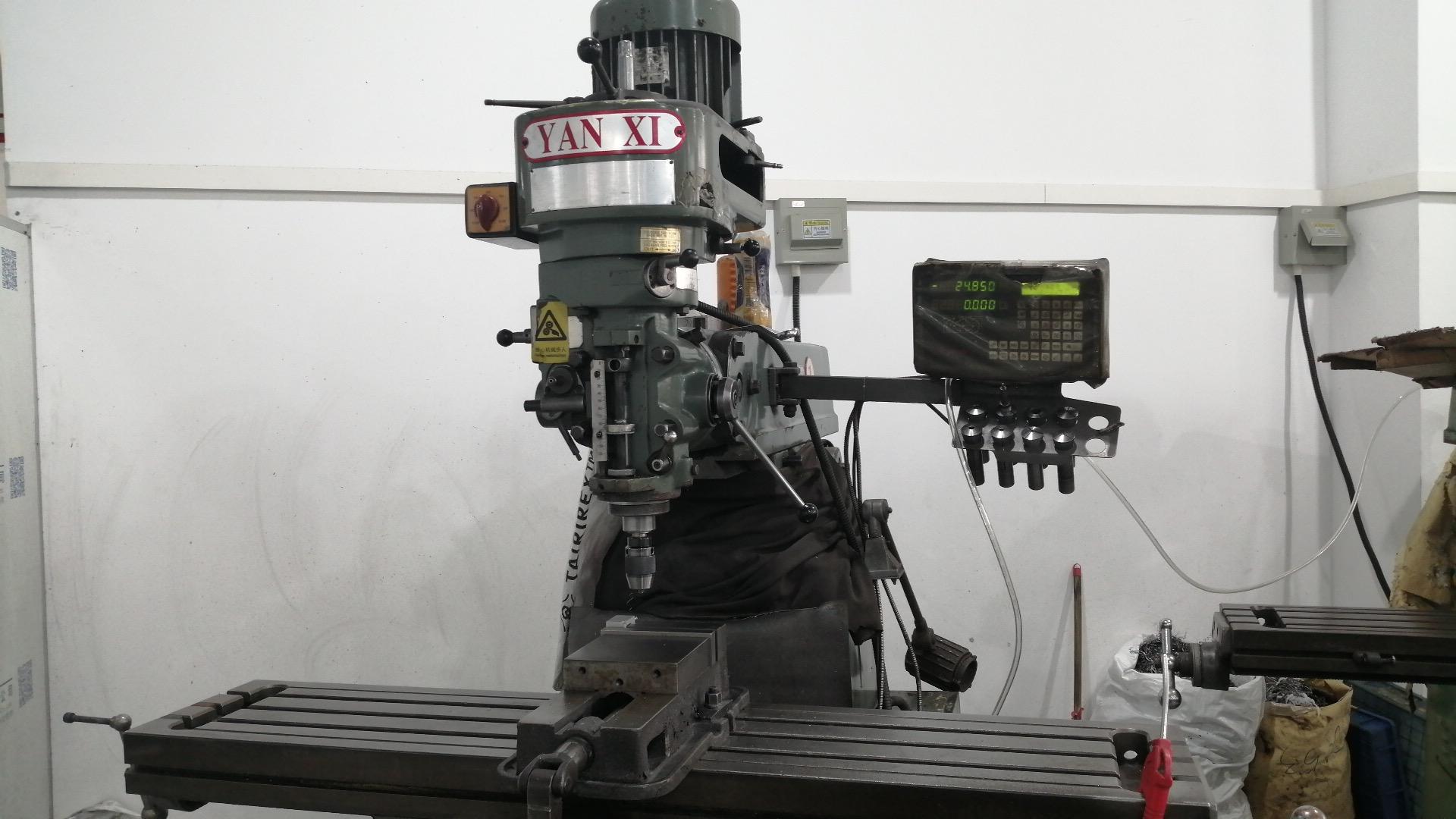
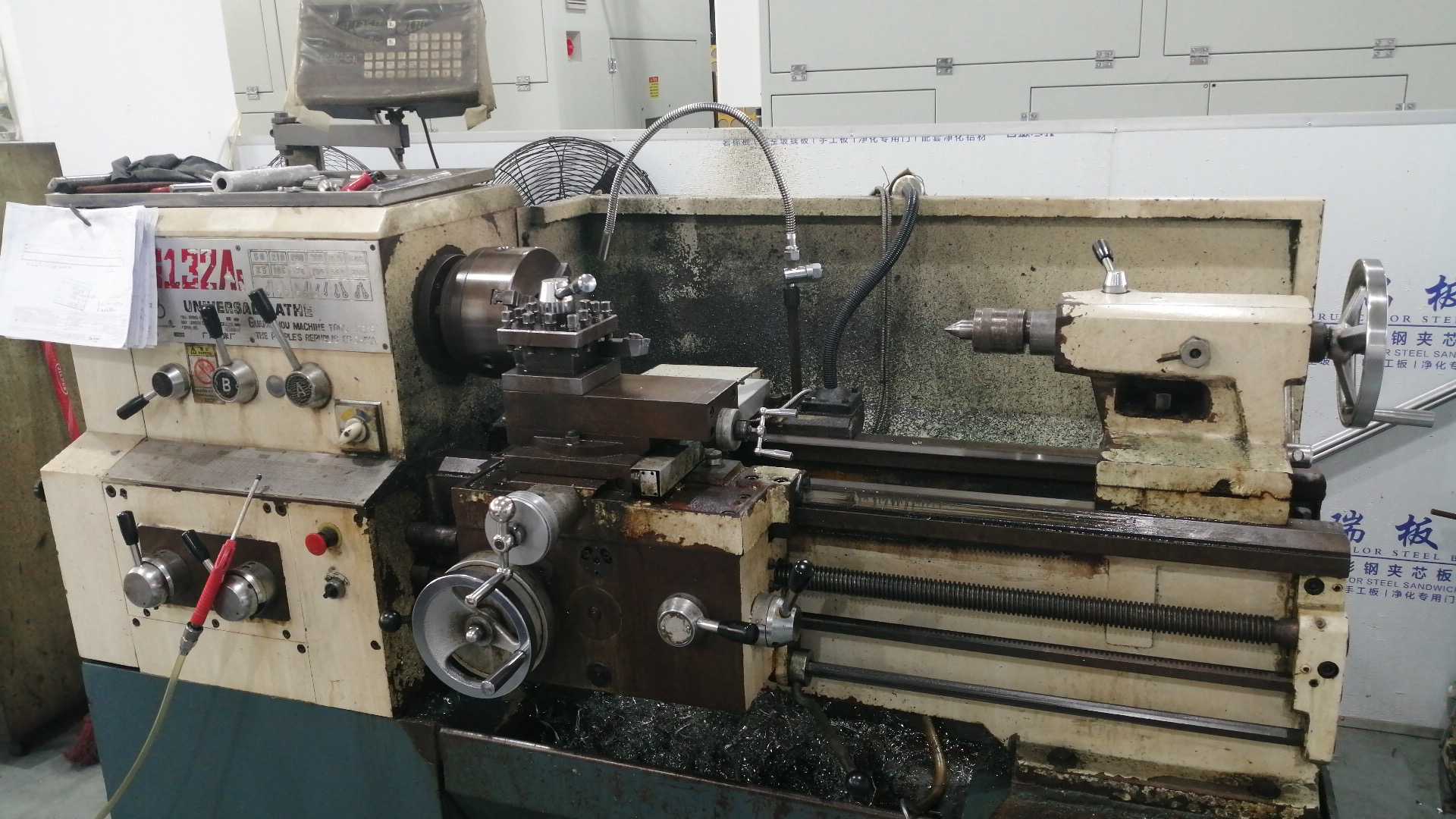
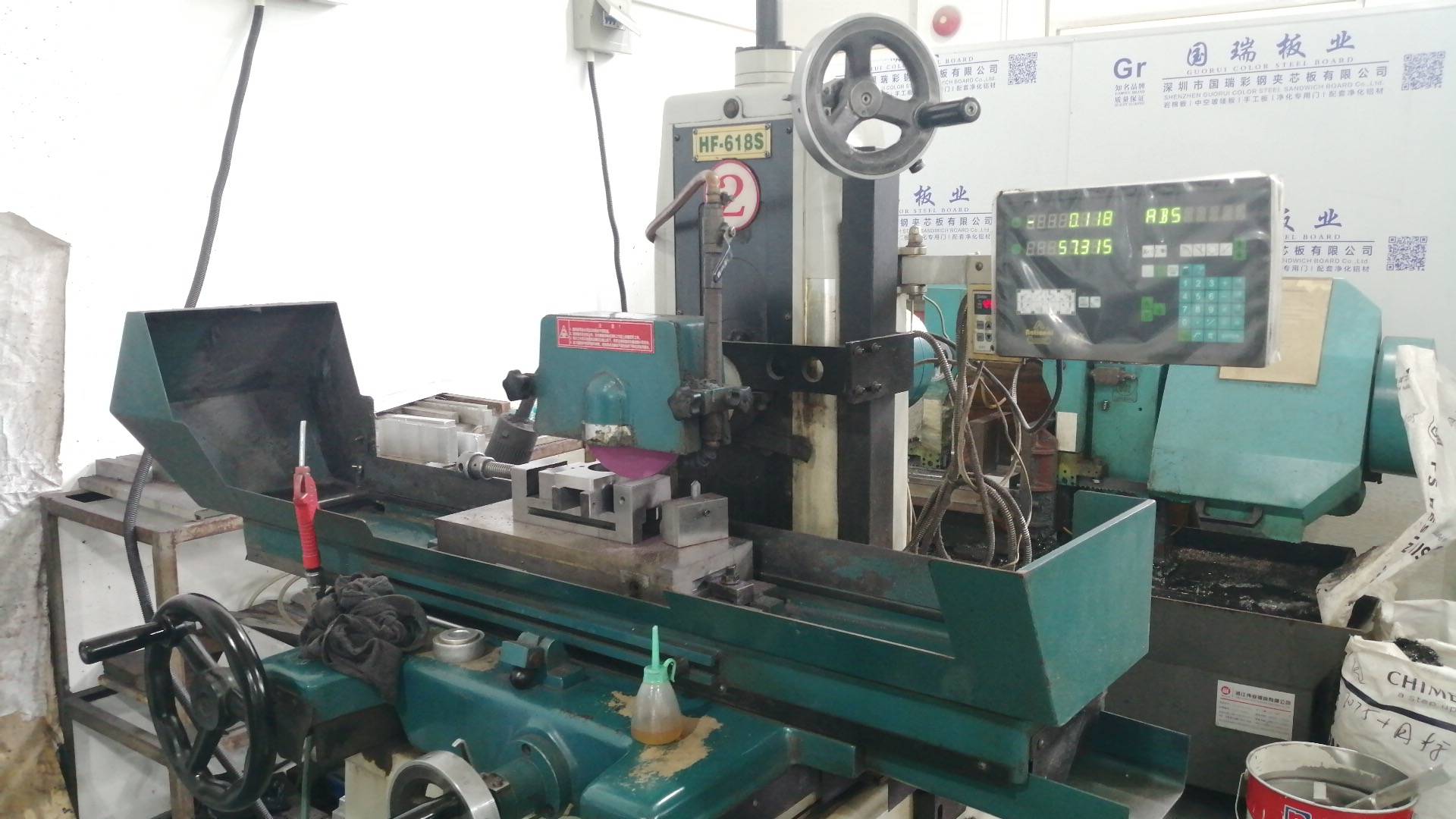
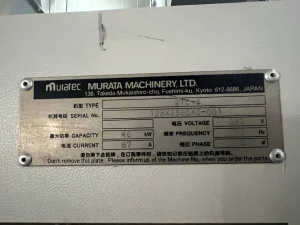
Modern industrial control sub-assemblies demand mechanical tolerances as low as ±0.005mm. A variance of a few microns in a servo motor mounting bracket or hydraulic control valve housing can induce micro-vibrations, leading to premature bearing failure, signal noise in optical sensors, or structural fatigue in high-speed automated textile machinery like the Murata 21C-S Auto Coner.
2. Global Industrial Automation Landscape & Supply Chain Dynamics
The global market for industrial control systems and hardware components is undergoing structural transformation. Key purchasing markets across North America, Europe, and the Asia-Pacific region are prioritizing four primary engineering metrics when evaluating an OEM/ODM manufacturing factory partner:
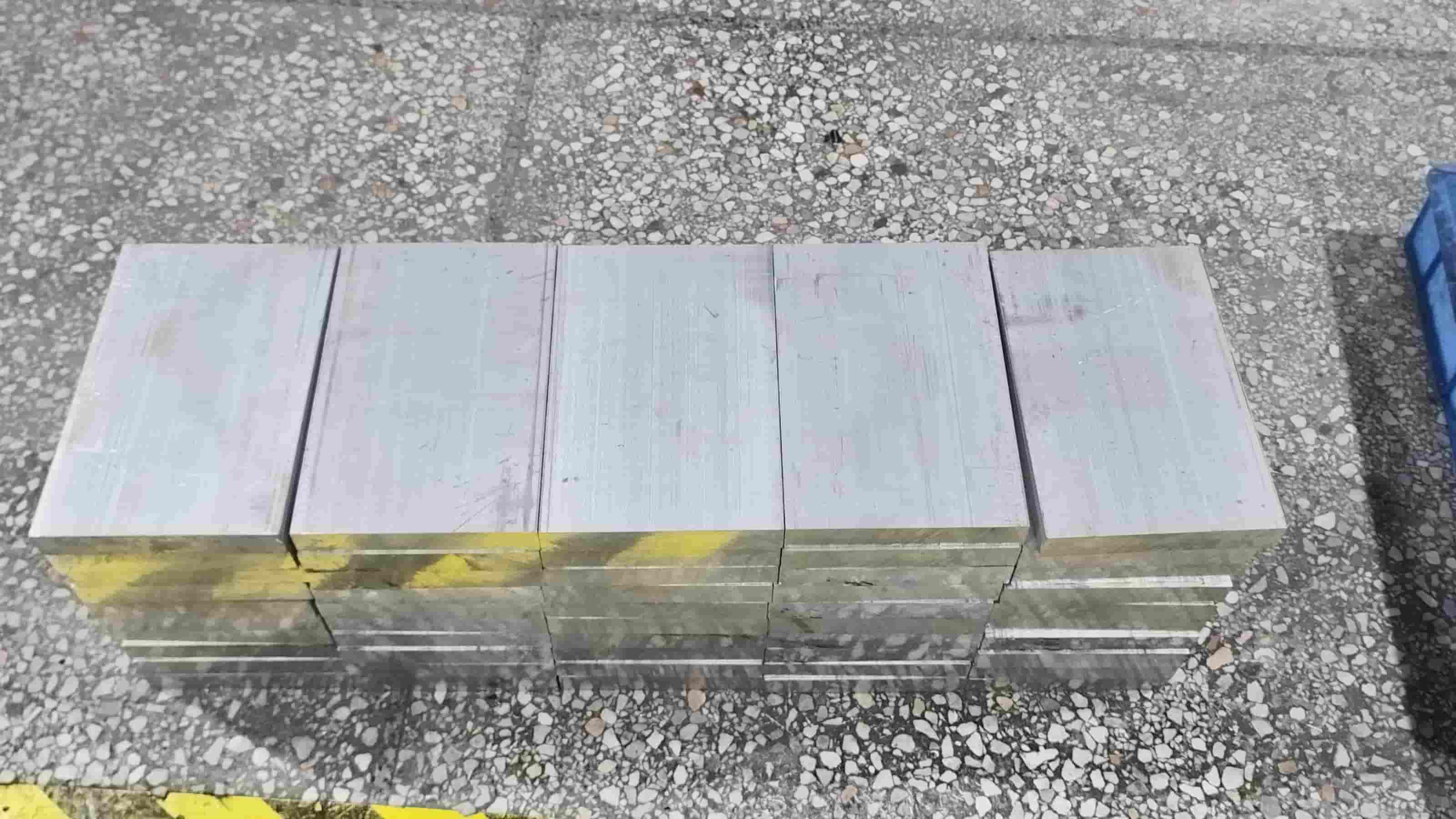
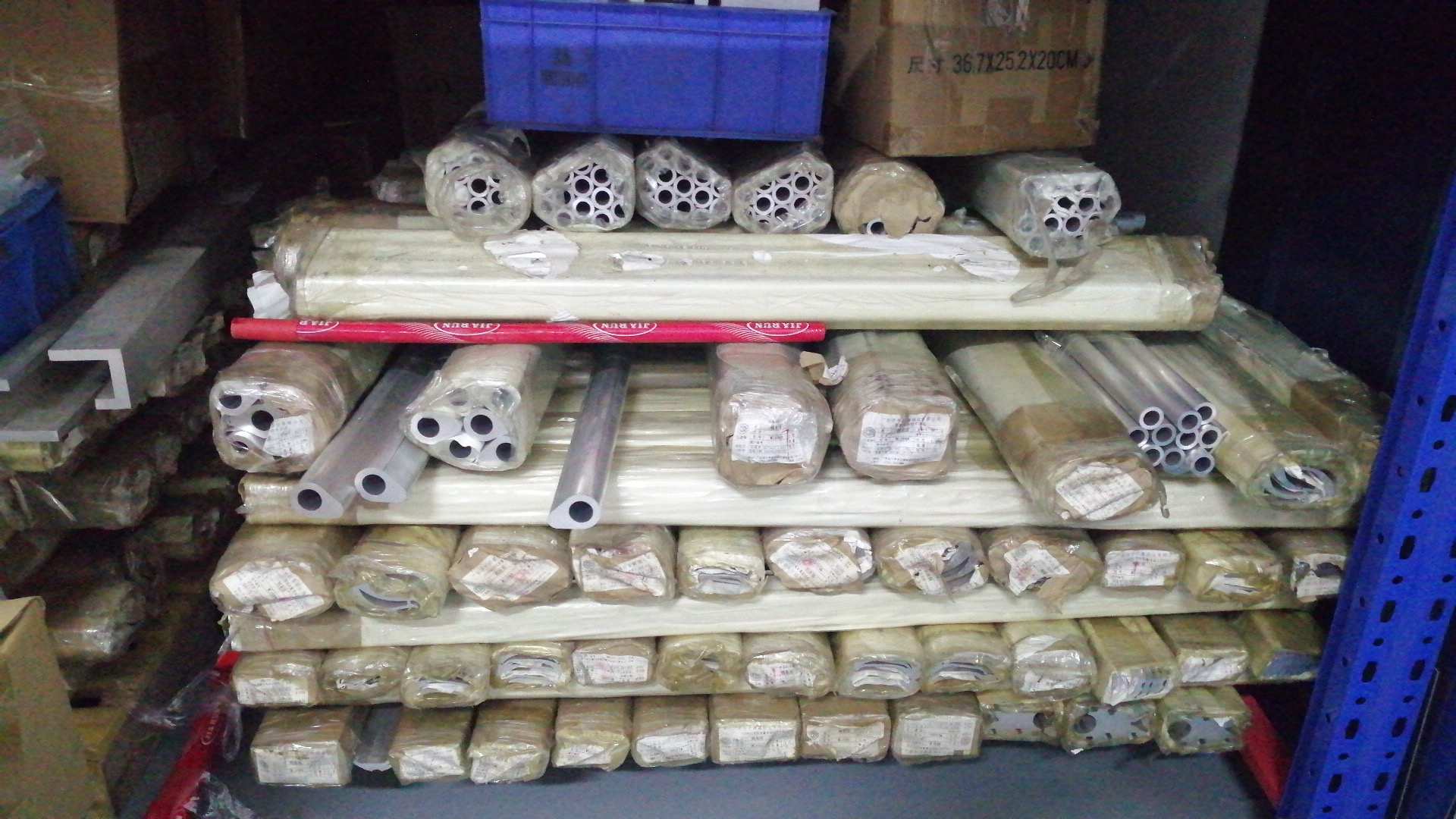
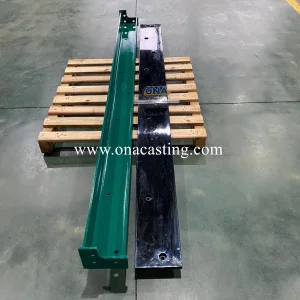
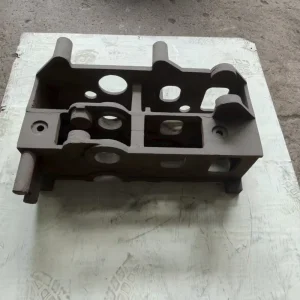
- Structural Integrity & Metallurgy: Utilization of high-grade aluminum alloys (such as 6061-T6, 7075-T6), stainless steel (304, 316L), ductile iron, and engineering plastics (PC/ABS, PU, PEEK) to ensure high strength-to-weight ratios and thermal stability.
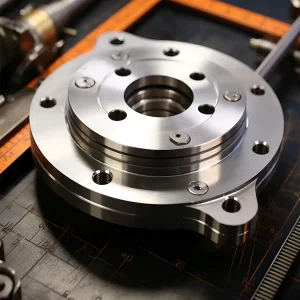
- Thermal Management Capability: Advanced heat sink fins and vortex cover geometry integrated directly into CNC-milled electronic enclosures to prevent CPU throttling in edge-AI controllers.
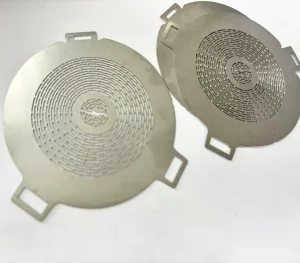
- Surface Finish & EMI Shielding: Precision anodizing, powder coating, chemical passivating, and photo-etching to prevent galvanic corrosion and isolate sensor circuitry from electromagnetic noise.
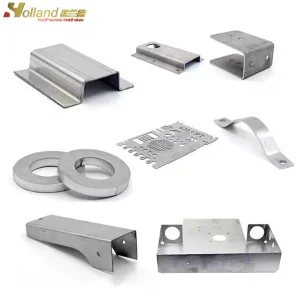
- Scalable DFM (Design for Manufacturability): Rapid transition from rapid 3D prototyping and 5-axis CNC machining to high-volume die casting and sheet metal stamping without compromising geometrical tolerances.