Xinli Technology
1 / 5
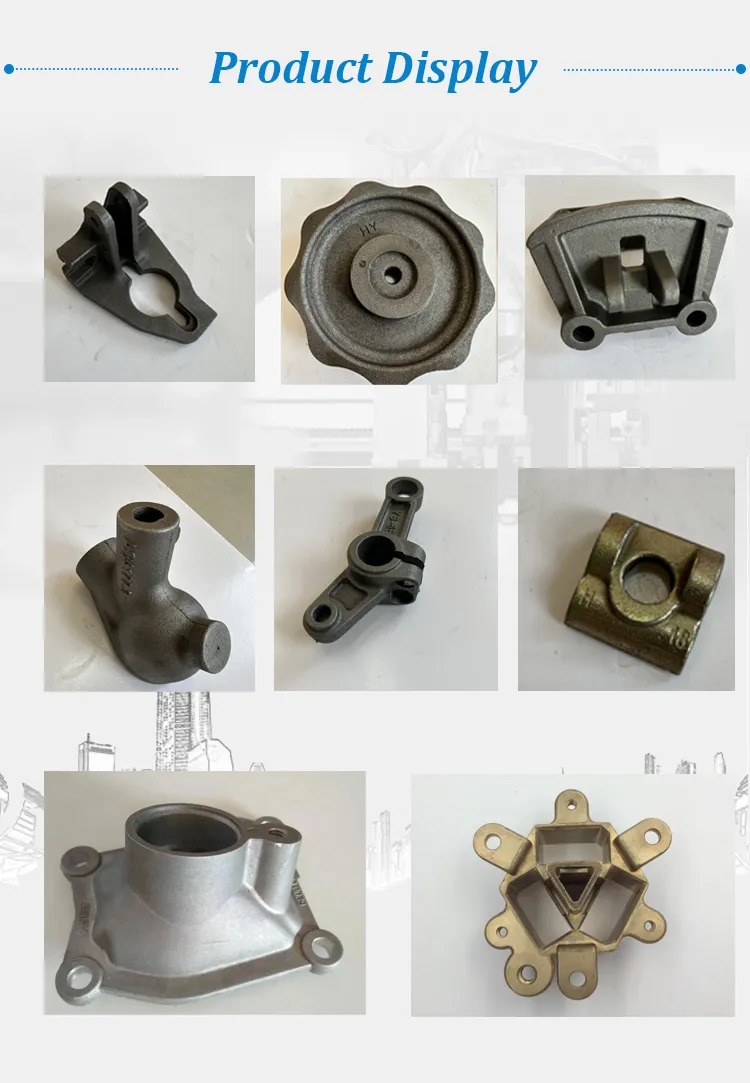
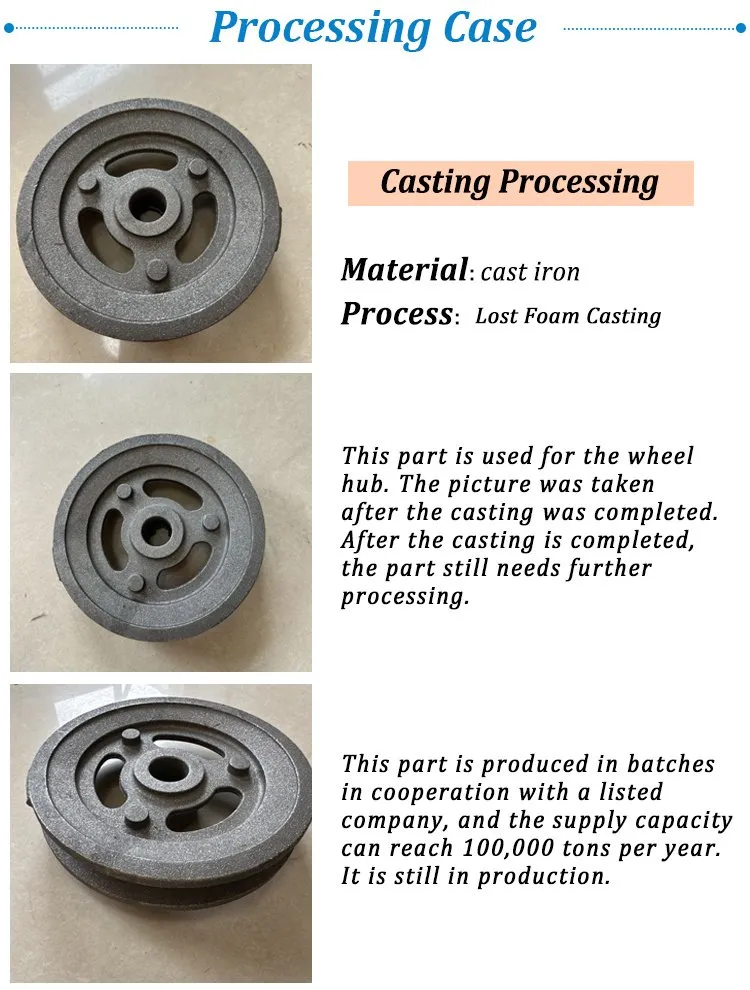
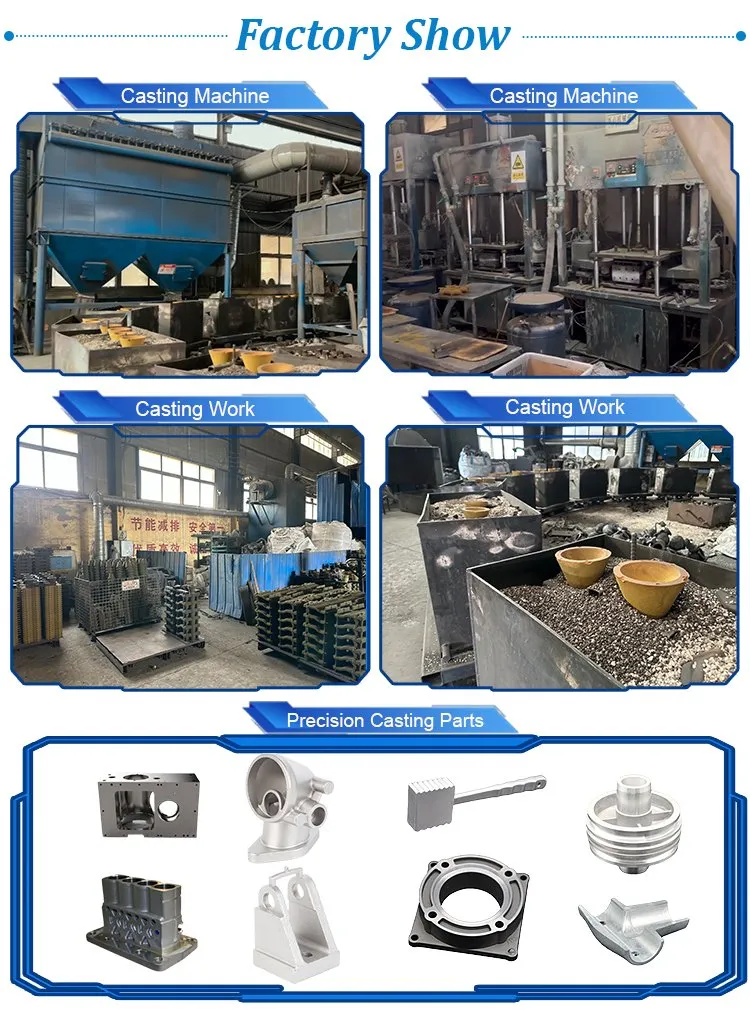
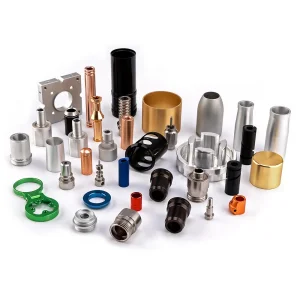
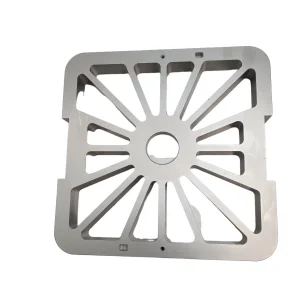
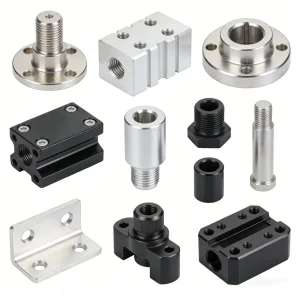
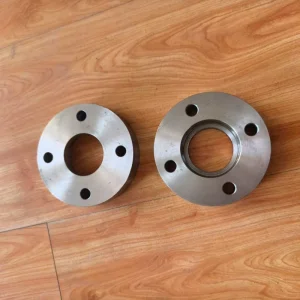
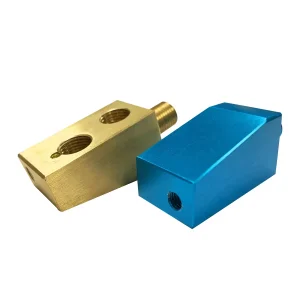
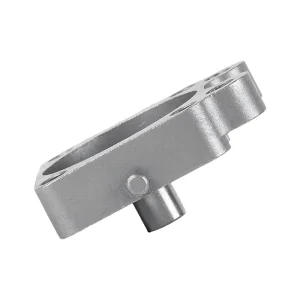
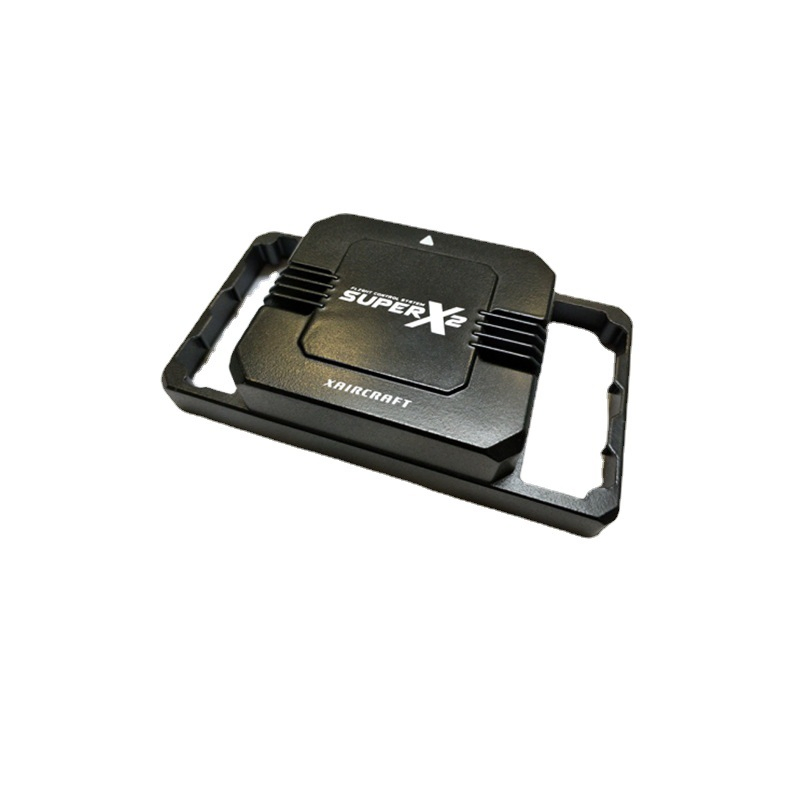
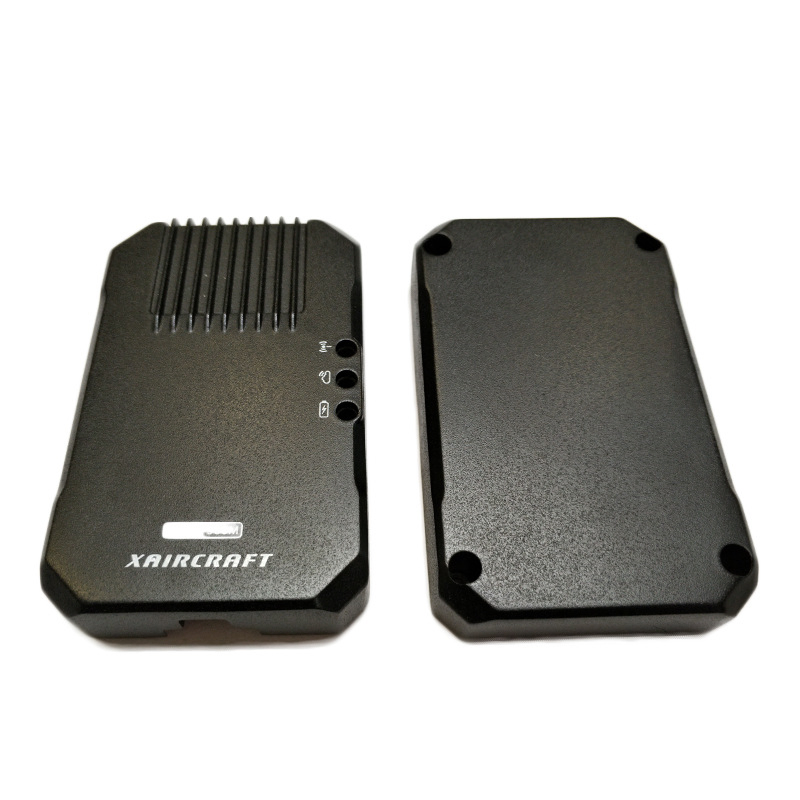
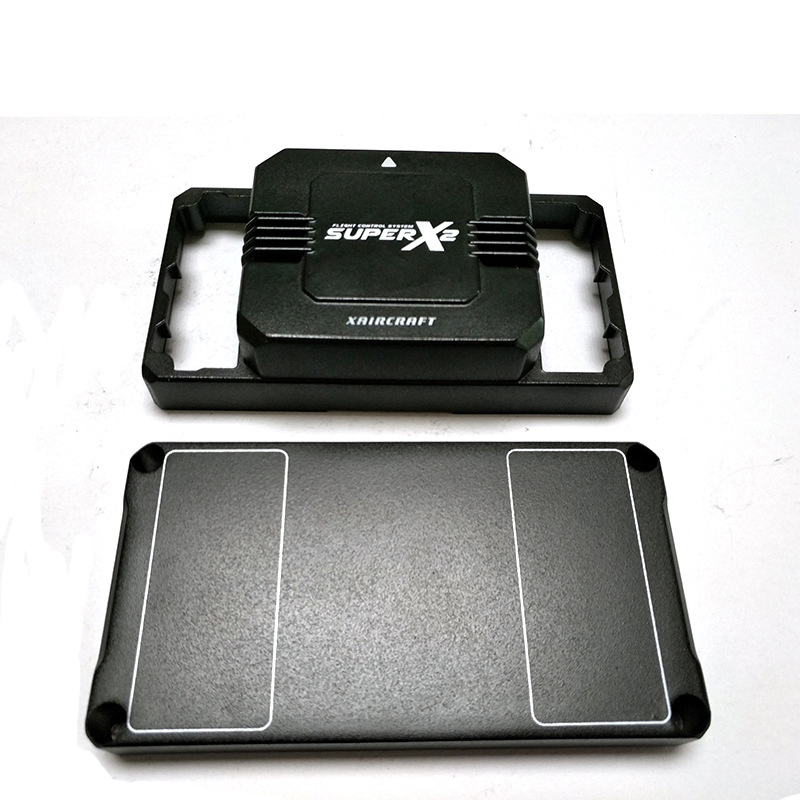
Custom Metal Casting Services: Metal casting is the process of pouring molten metal into a cavity mold and then cooling it to form a solidified part. Depending on the method you choose, metal casting can achieve very high production rates with little to no secondary operations.
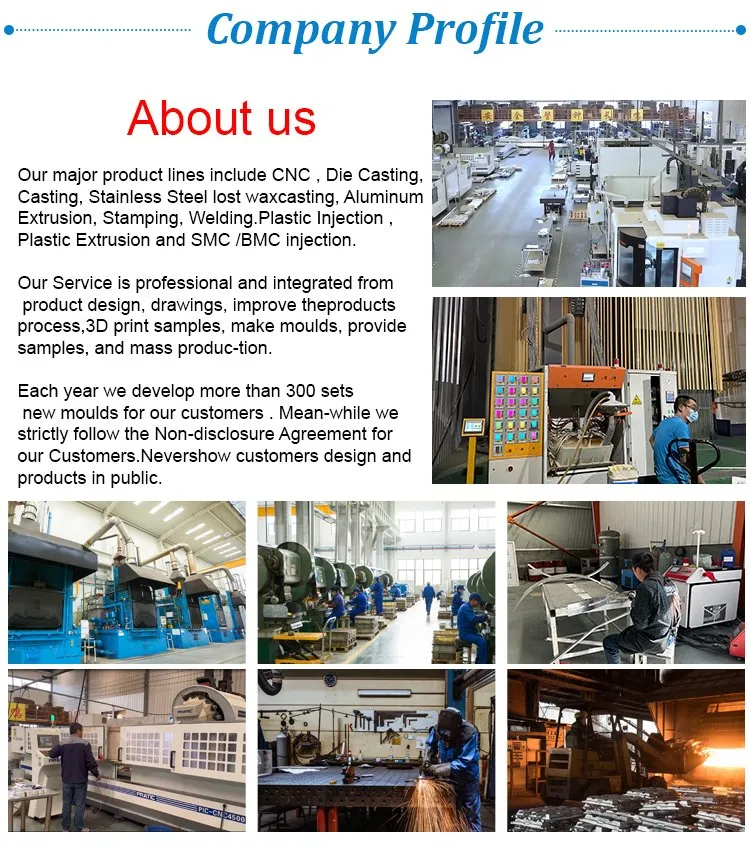
Tooling affects the time and cost of a production run. Determining the size of your production run can help you find the right foundry. Shops often specialize in high-volume or low-volume production projects.
Common materials for metal castings include aluminum, steel, stainless steel, copper, zinc, magnesium, nickel, and various alloys.
Die Casting: A high-pressure process resulting in precise and repeatable parts.
Investment Casting: A traditional method using wax patterns for intricate shapes.
Permanent Mold Casting: Uses reusable graphite molds for high-precision repeatability.
Sand Mold Casting: Versatile methods including green sand and self-hardening sand casting.
| Feature | Die Casting | Investment Casting | Permanent Mold Casting | Sand Casting |
|---|---|---|---|---|
| Strength | Good | Good | Highest | Good |
| Design Complexity | Average | Highest | Average | Fair to Good |
| Dimensional Constraints | Good | Average | Good | Highest |
| Pressure Tightness | Average | Good | Highest | Good |
| Repeatability | Highest | Good | Good | Average |
| Relative Cost | Low | Average | Low | Low |
| Surface Finish | Highest | Highest | Good | Average |
| Casting Weight | 0.4kg-35kg | Max 12kg | Max 46kg | No limit |
| Min Wall Thickness | 0.8mm | 1.5mm | 3mm | 2.5mm |
Stainless steel: High tensile strength and corrosion resistance for aerospace and medical use.
Carbon steel: Wear-resistant and cost-effective precision parts for industrial mining.
Aluminum: Lightweight, excellent conductivity, and recyclable for automotive and electronic housing.
Nickel alloys: High-temperature resistance for oil, gas, and defense industries.
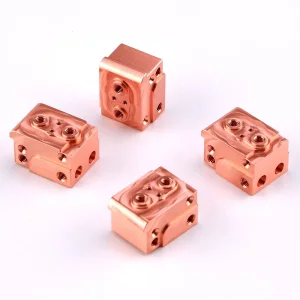
Copper alloys: High ductility and strength for gears, pumps, and plumbing.