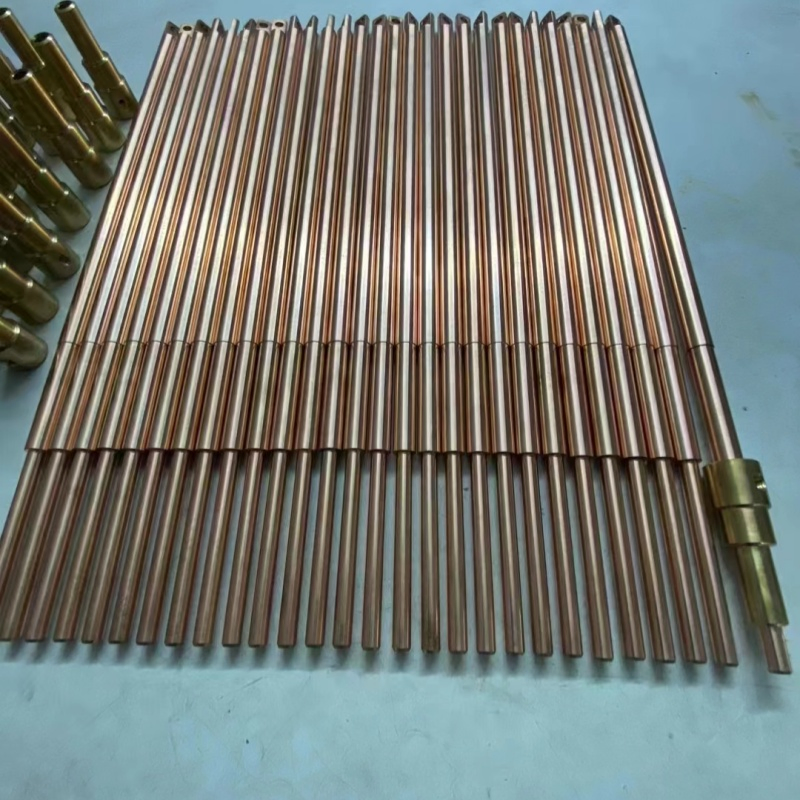
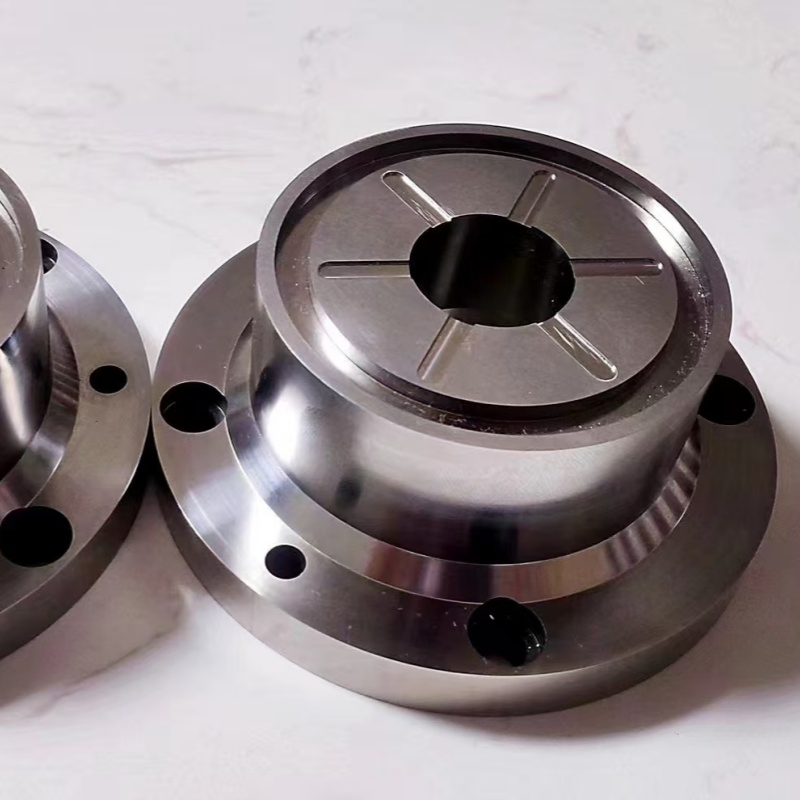
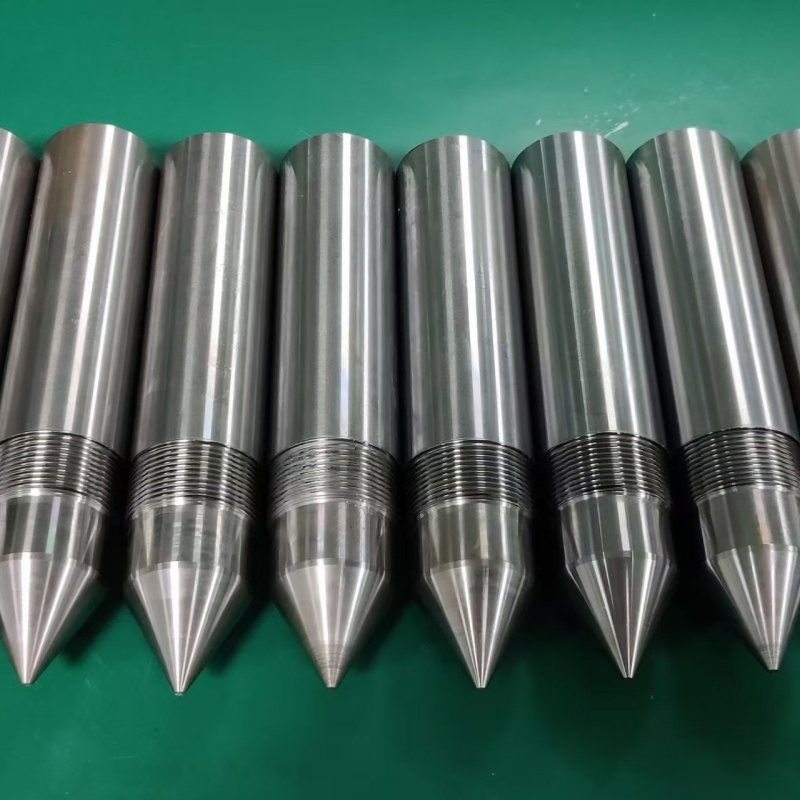
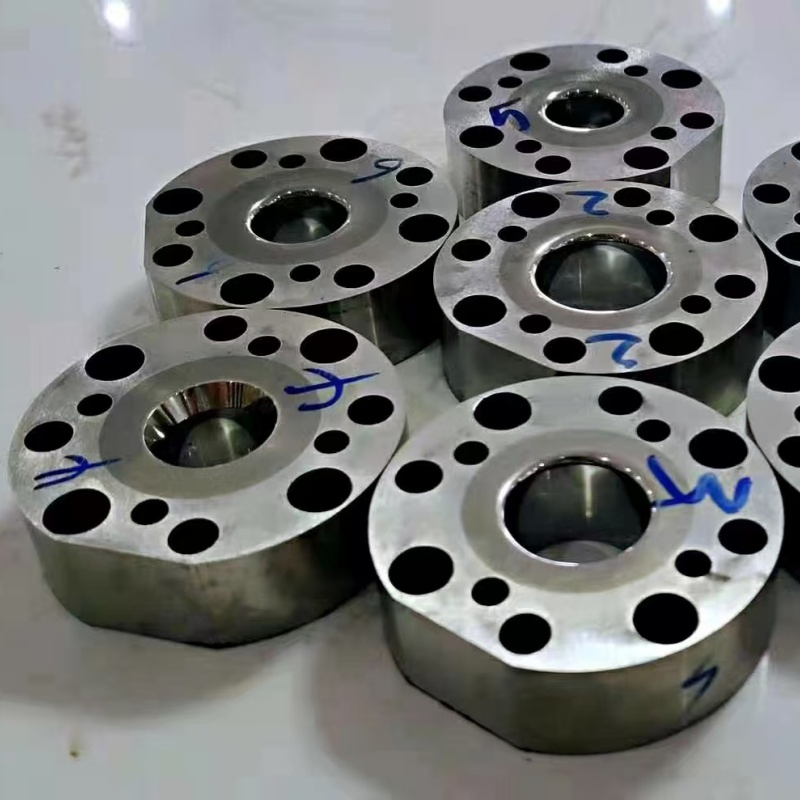
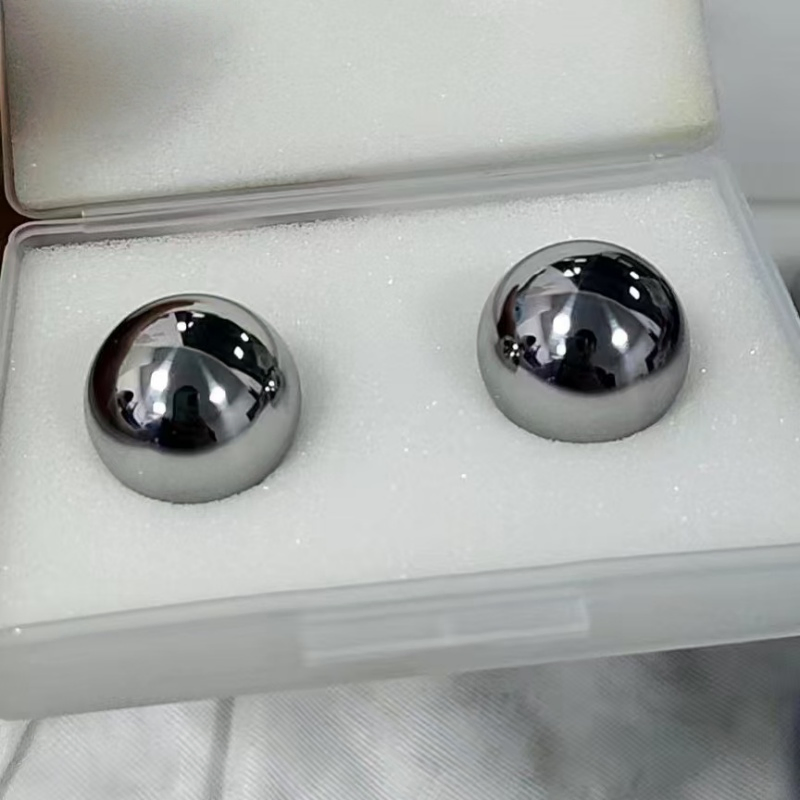
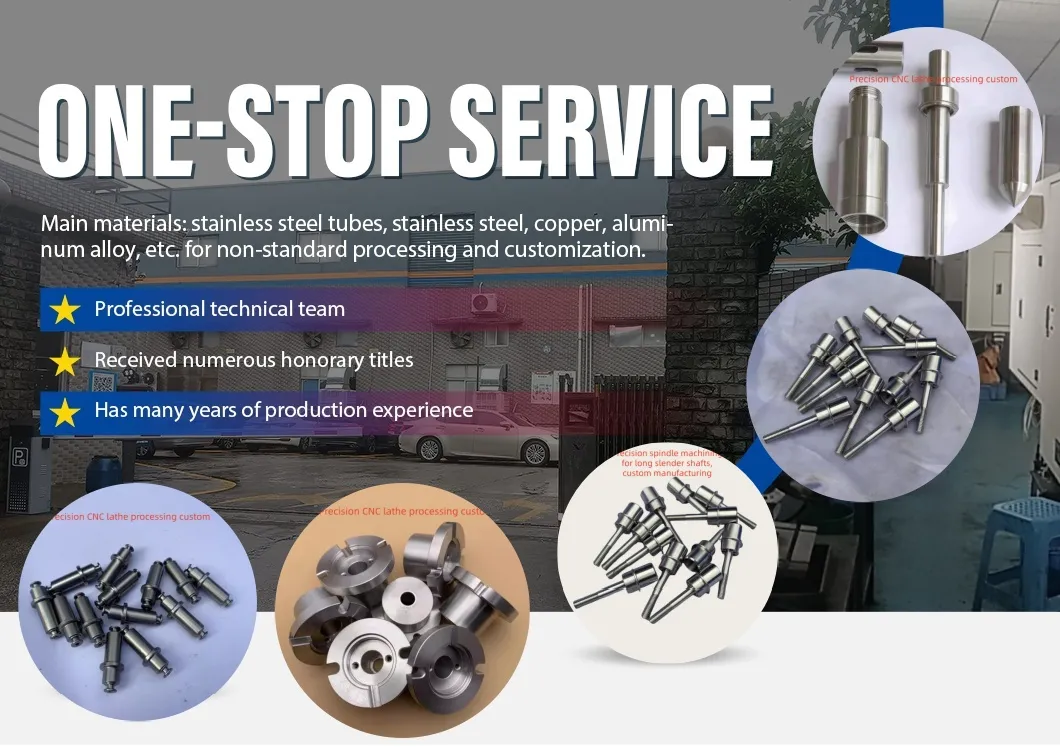
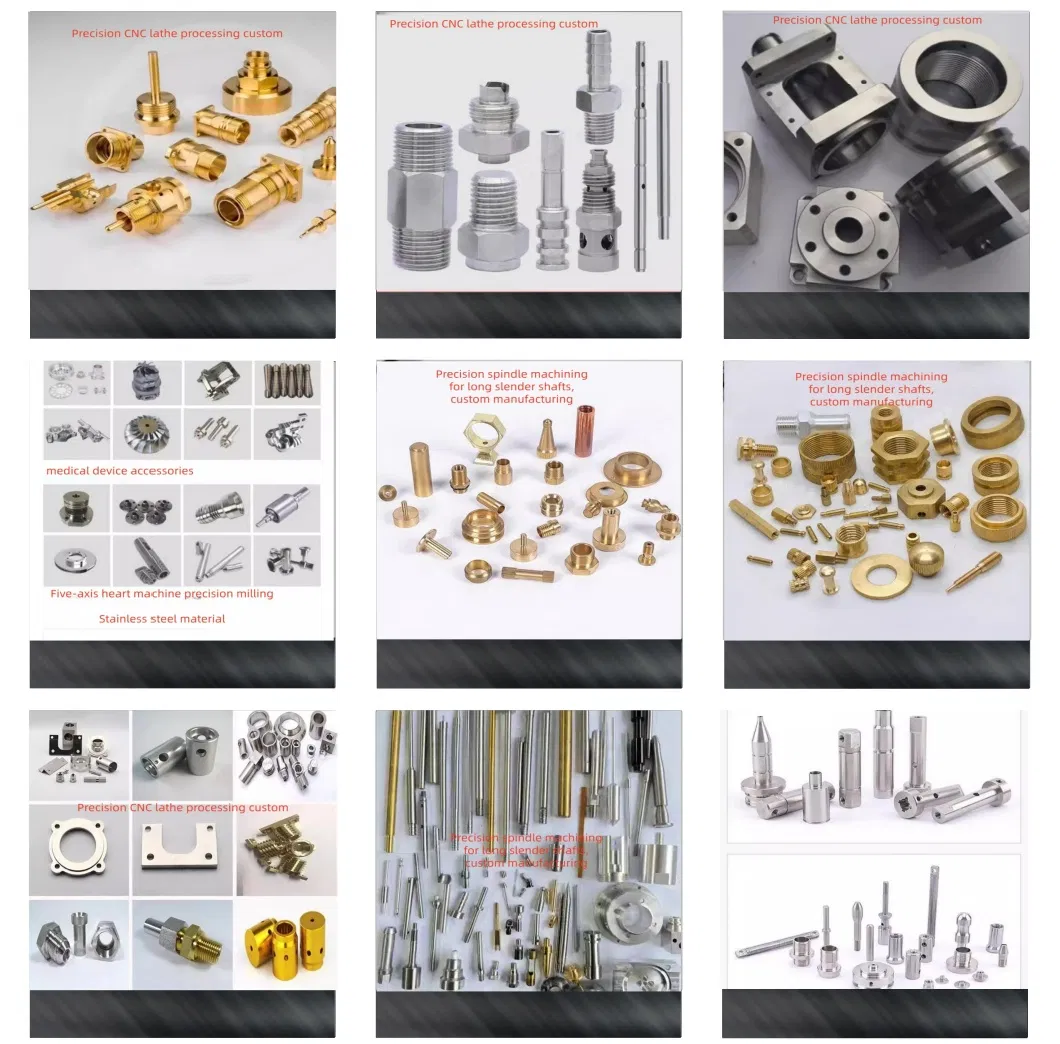
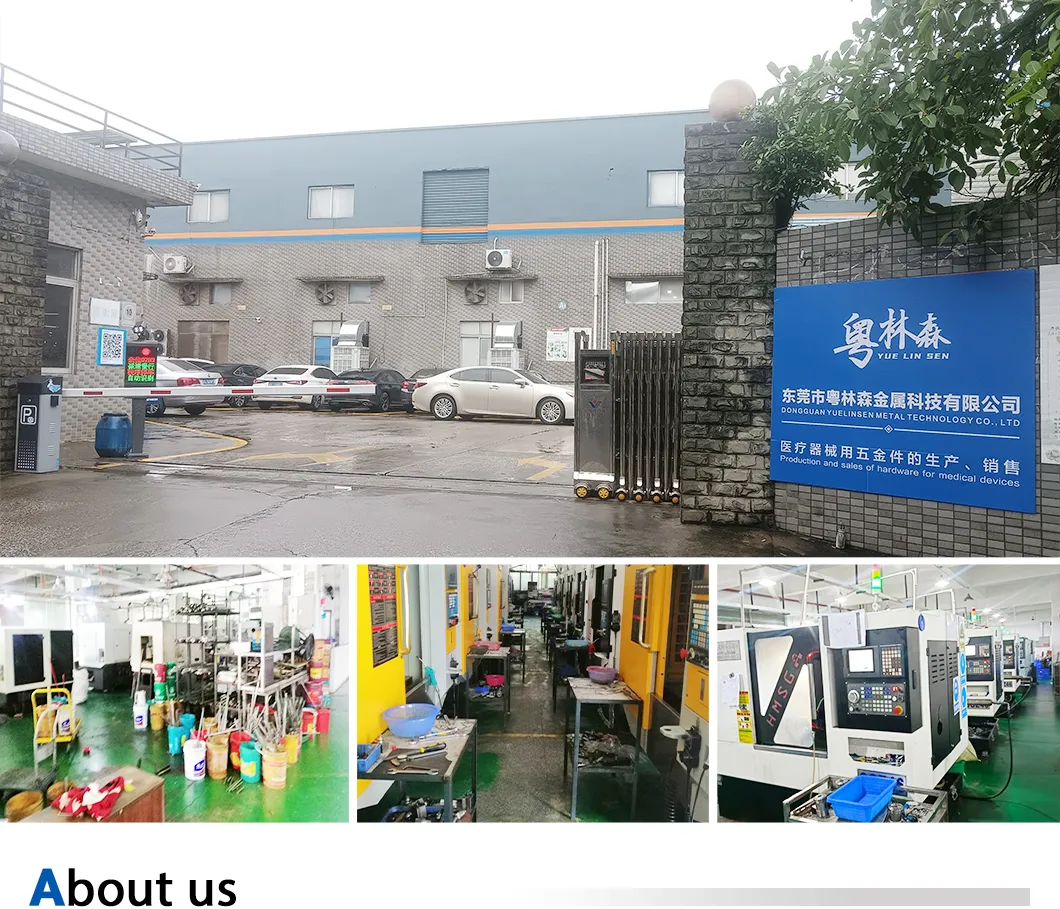
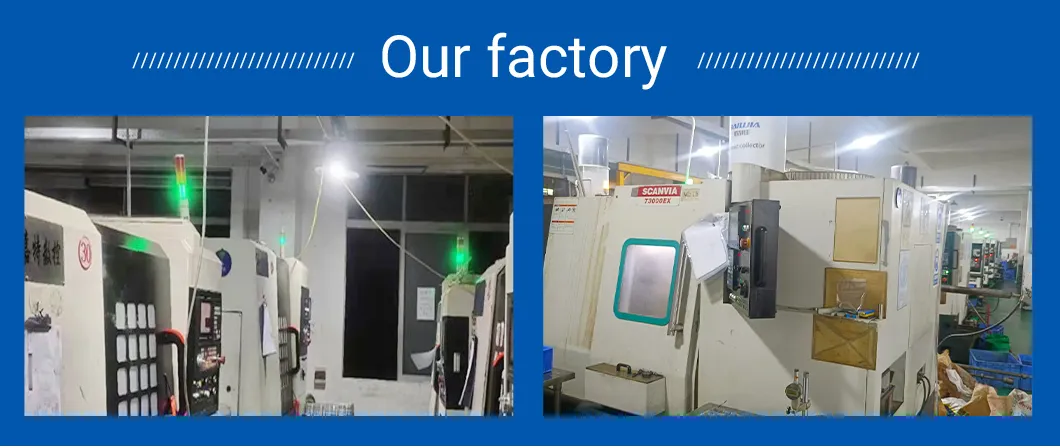
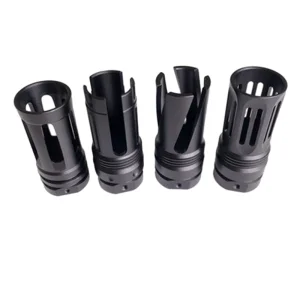
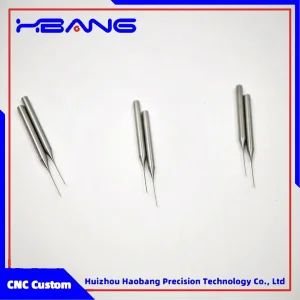
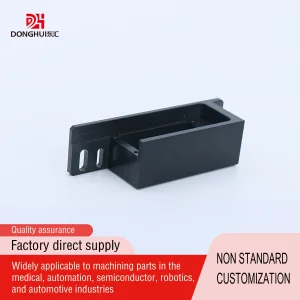
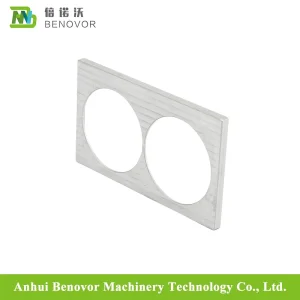
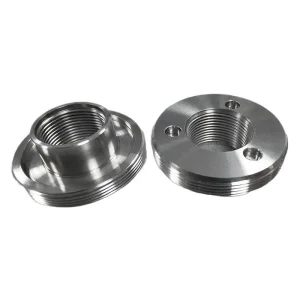
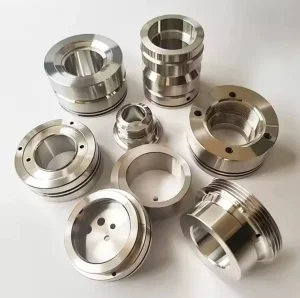
Our metal components for medical devices are expertly crafted from 304, 316L, 420J2, and 17-4PH stainless steels. These materials are chosen for their unique properties to meet a wide range of clinical and industrial needs. By employing advanced CNC machining, we adhere strictly to medical specifications, producing high-precision parts with intricate geometries and outstanding performance.
Technical Specifications
Material
Key Properties
Common Applications
Precision Tolerance
304 Stainless Steel
Excellent corrosion resistance
Surgical instruments, housings
±0.01 mm
316L Stainless Steel
Biocompatible, superior resistance
Implants, sterile environment devices
±0.01 mm
420J2 Stainless Steel
Superior hardness, wear resistance
Scalpels, dental instruments
±0.01 mm
17-4PH Stainless Steel
High strength, stable
Orthopedic implants, high-stress tools
±0.01 mm
Manufacturing Excellence
✔ CNC Milling (3/4/5-axis), Turning, and Swiss Machining
✔ Precision Laser Cutting for stainless steel capillary tubes
✔ Ultra-Precision Tolerance up to ±0.005 mm for critical features
What materials are available for medical part customization?
We primarily work with high-grade stainless steels including 304, 316L, 420J2, and 17-4PH. We also process copper and aluminum alloys based on specific application requirements.
What is the highest precision tolerance you can achieve?
For critical medical features, we can achieve ultra-precision tolerances of ±0.005 mm or better using advanced CNC and Swiss machining equipment.
Are your manufacturing processes certified for medical devices?
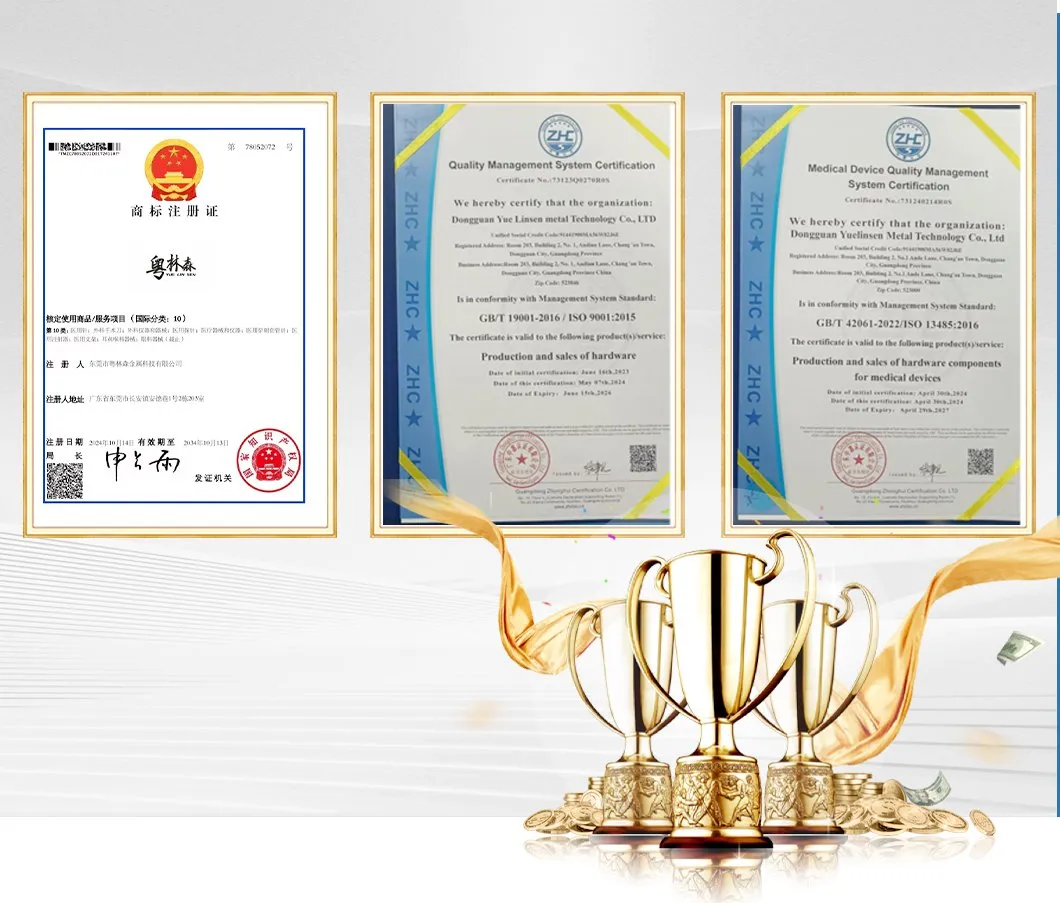
Yes, our facility has obtained both ISO 9001:2015 and ISO 13485:2016 medical device quality system certifications.
What surface treatments do you provide?
We offer a range of finishes including electropolishing (mirror finish), passivation (ASTM A967), sandblasting, and advanced PVD coatings for wear resistance.
What is the standard lead time for production?
Prototyping usually takes 2-6 weeks. Standard production orders typically have a lead time of 35 days, depending on the complexity and volume of the parts.
Do you support small batch prototyping?
Yes, we provide prototyping and low-volume production to support New Product Introduction (NPI) and pilot runs before scaling to high-volume manufacturing.
 Xinli Technology