Xinli Technology
1 / 5
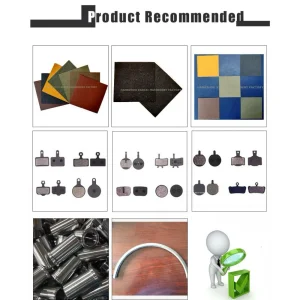
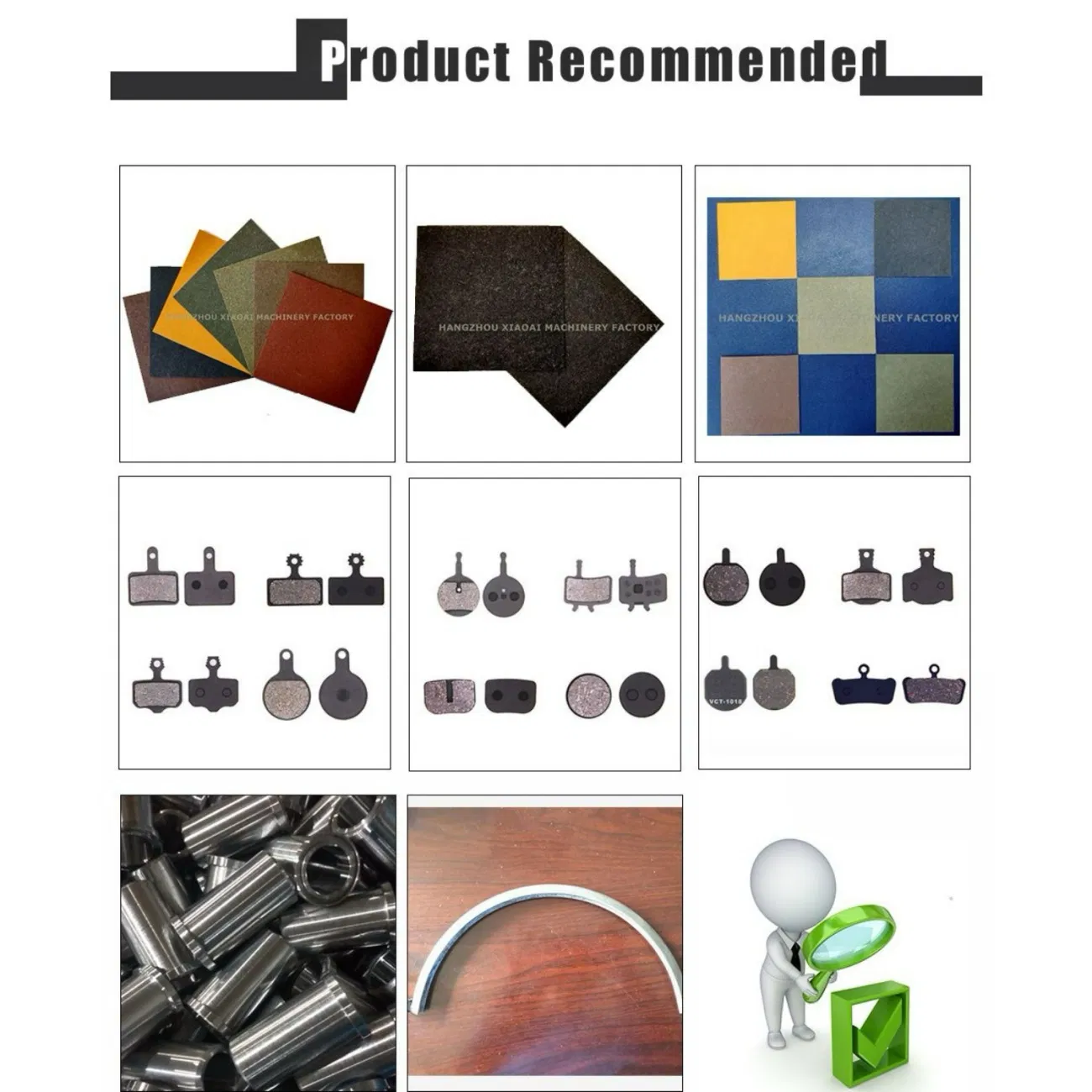
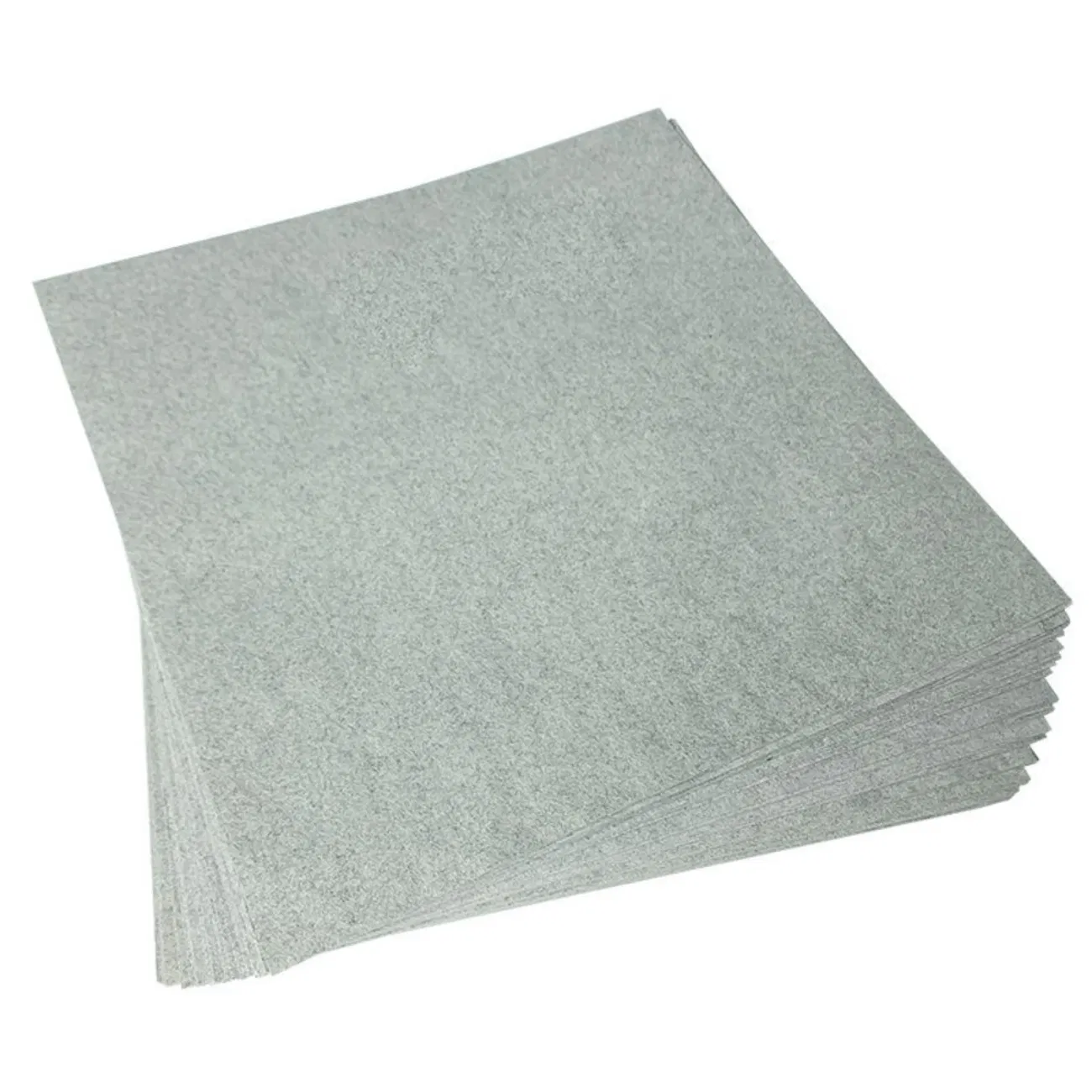
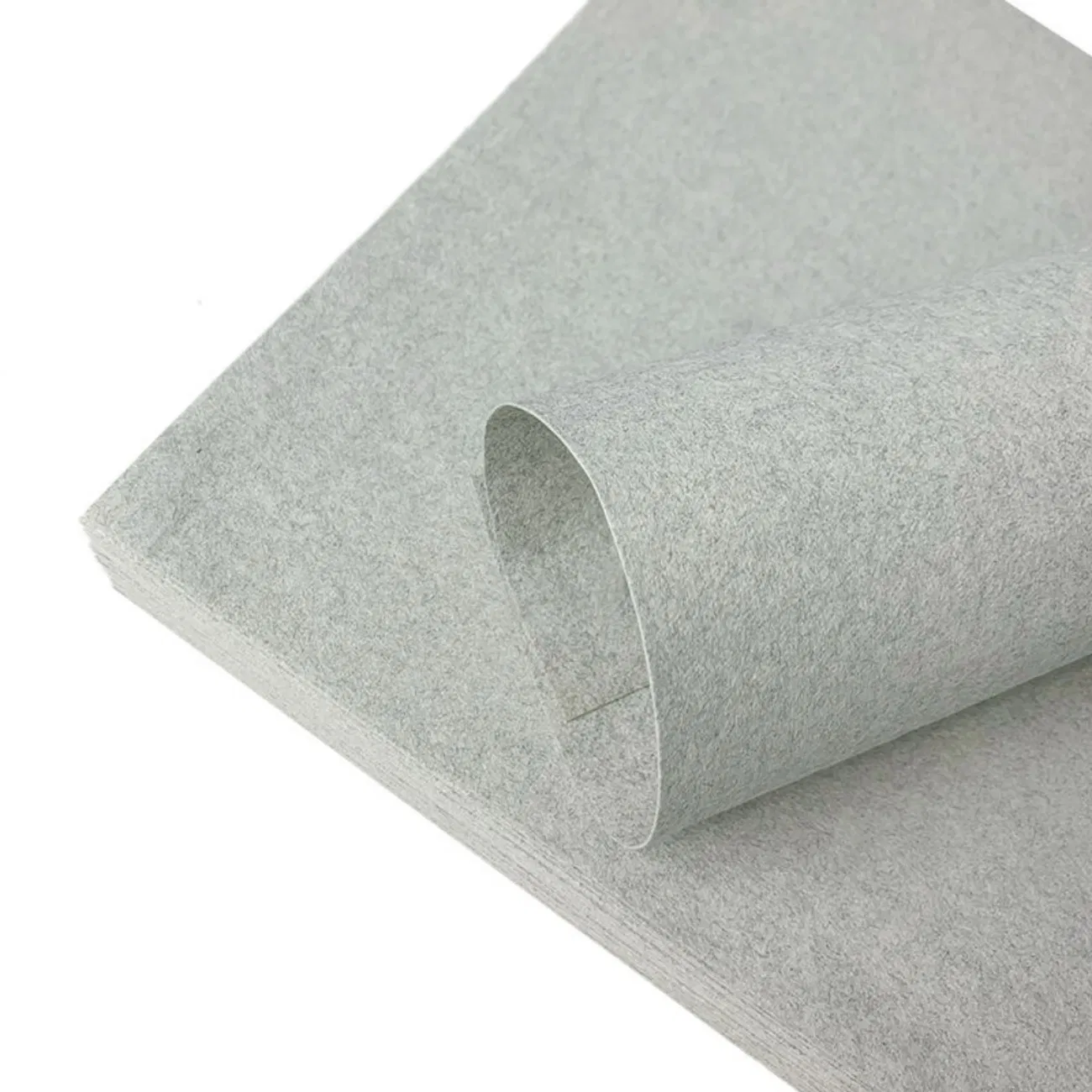
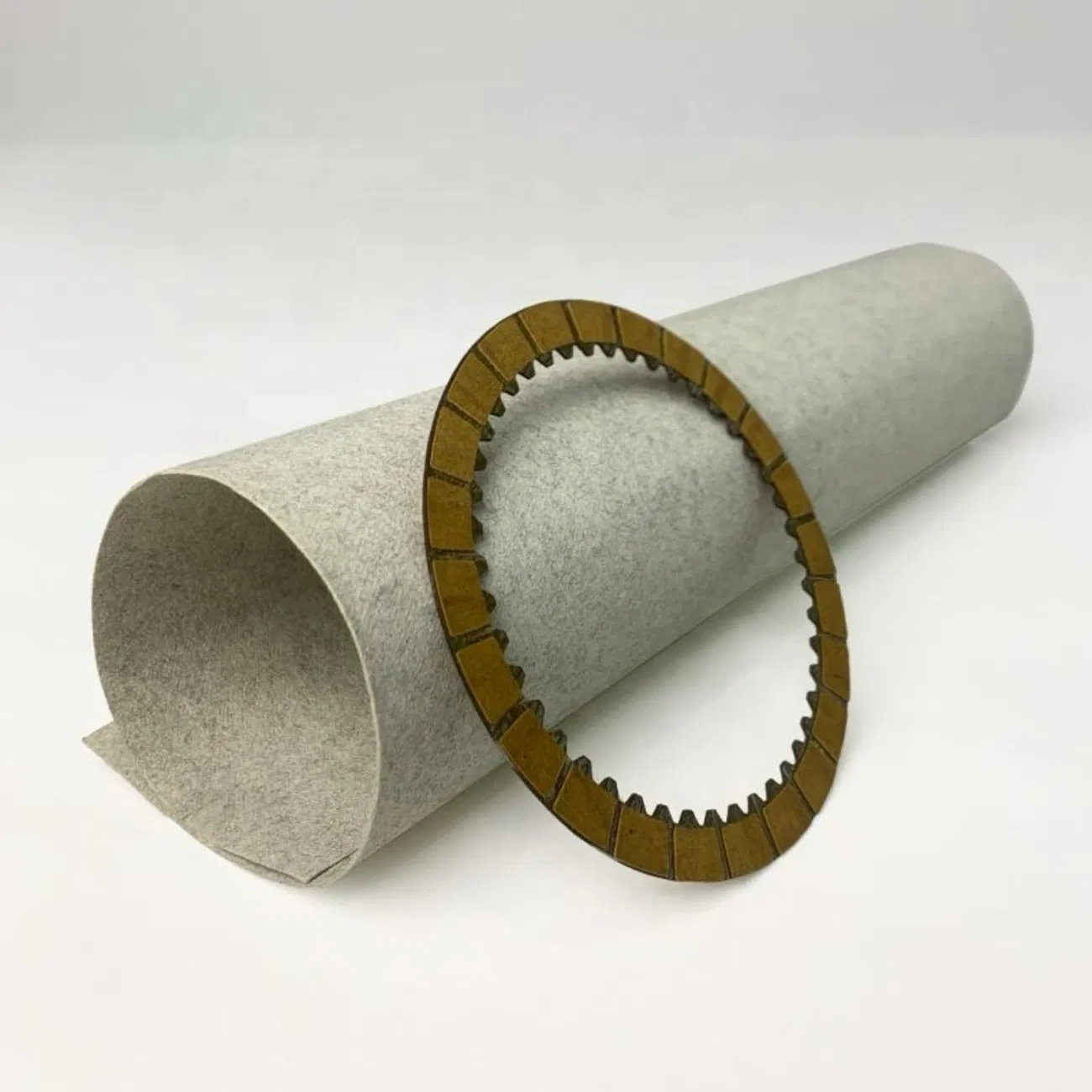
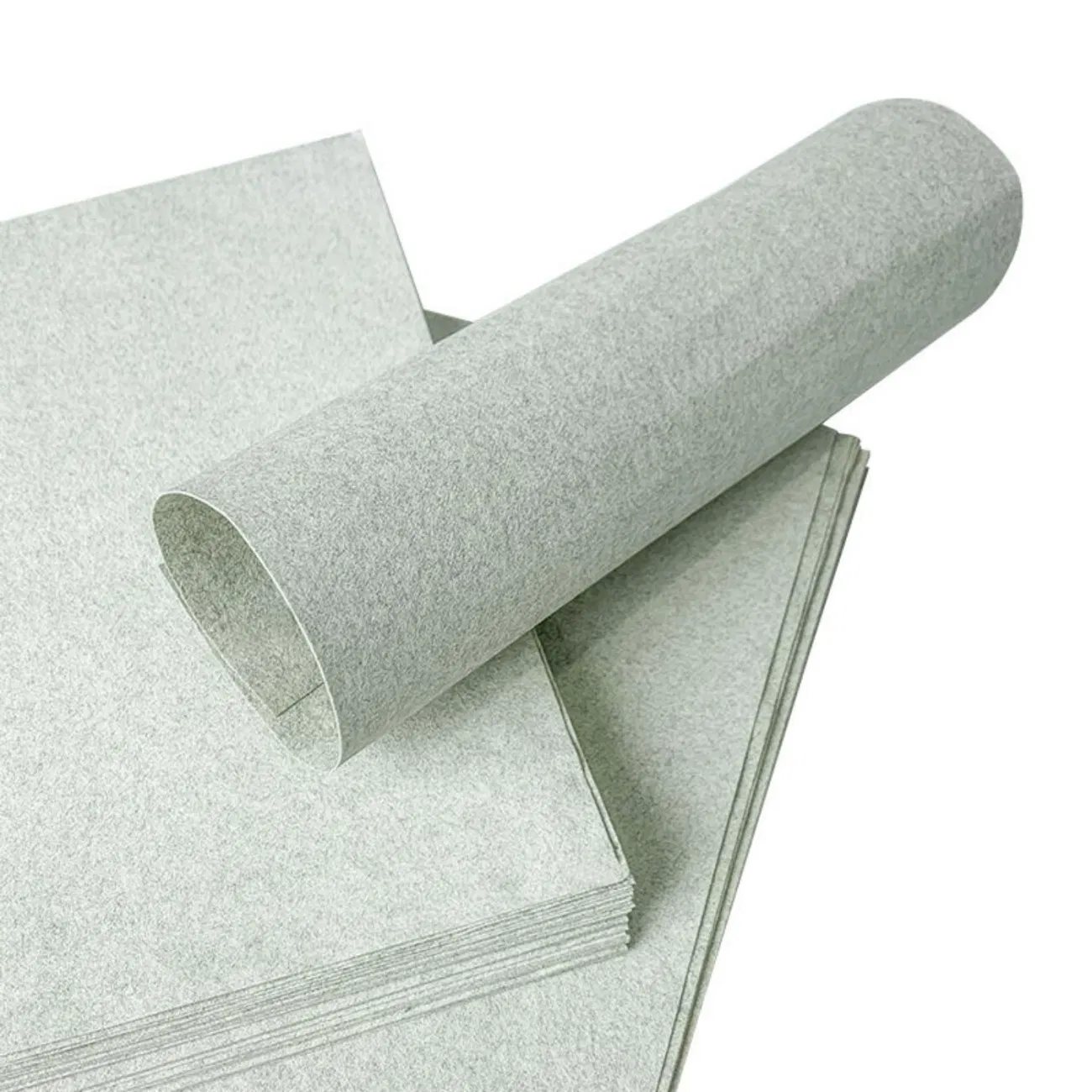
The paper-based friction pairs are widely used in the multidisc wet clutches in the transmission system of commercial and civil cars.
Paper-based friction material has porous microstructure, enabling the lubricant to reach the contact interface and providing lubrication. As power shift and torque transfer devices, wet clutches frequently work under extremely poor working conditions, for instance, high initial relative sliding velocity, high surface pressure, and high temperature rise. It is essential to investigate the frictional performance of friction pairs to optimize the design of wet clutches and improve the performance of vehicle.
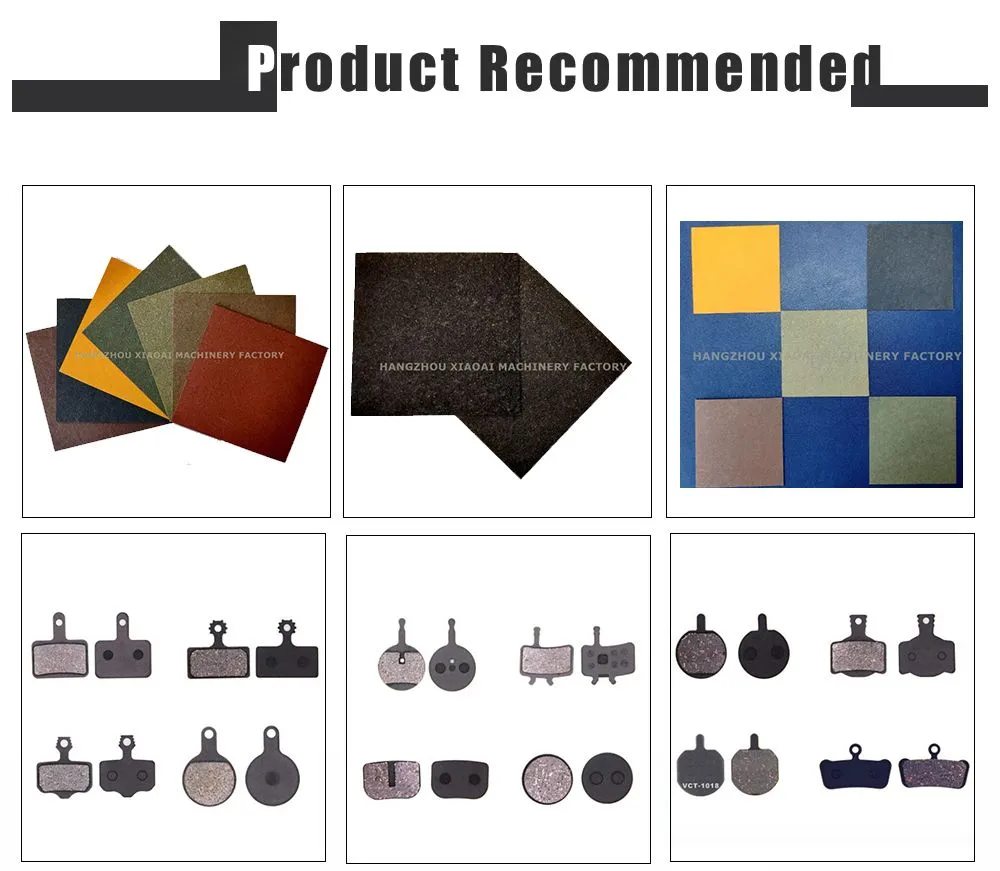
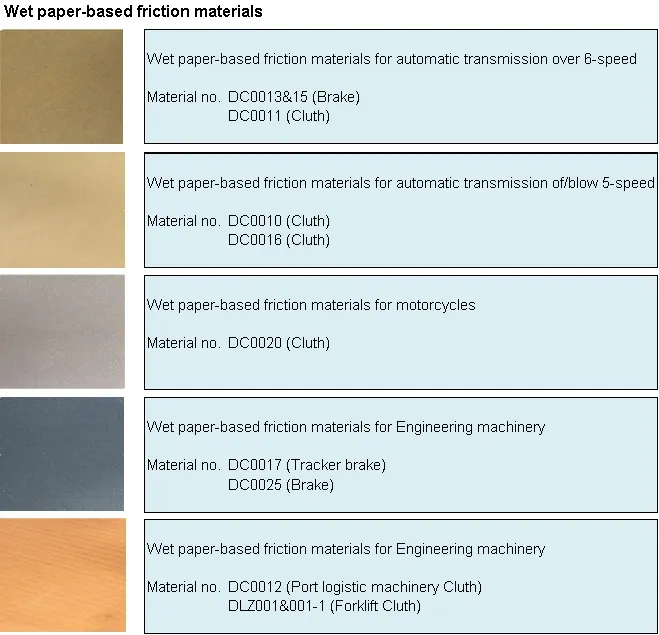
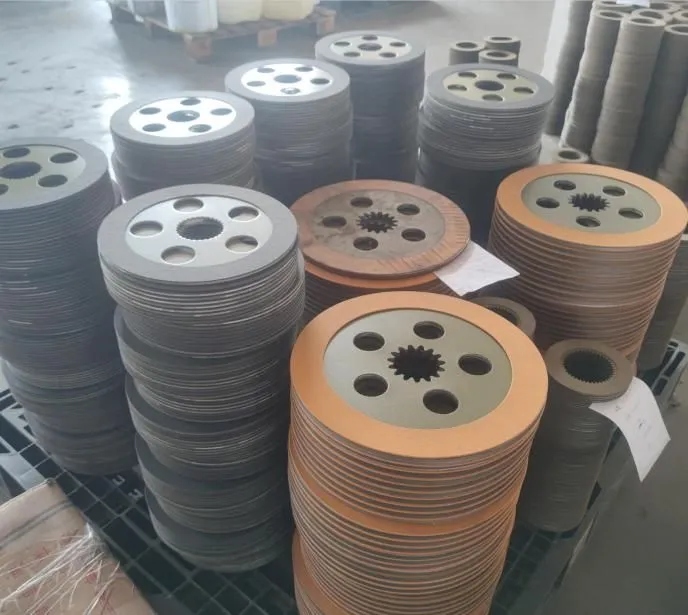
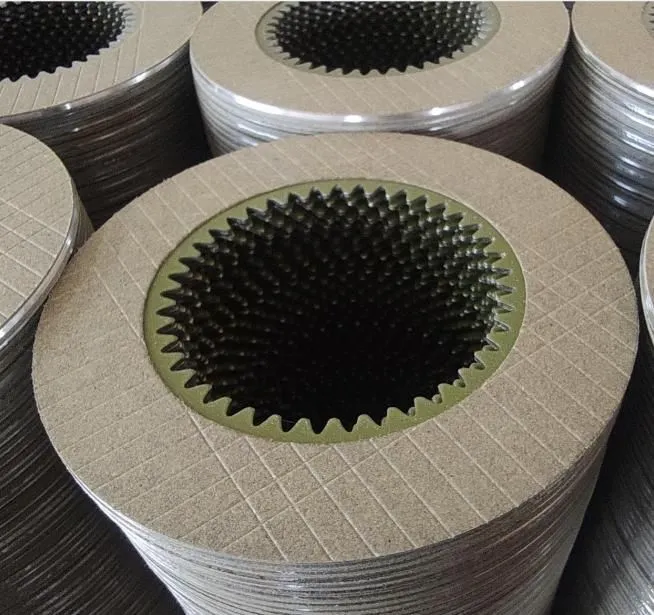


| Material: | Wet paper-based friction materials & Wet paper-based friction disc |
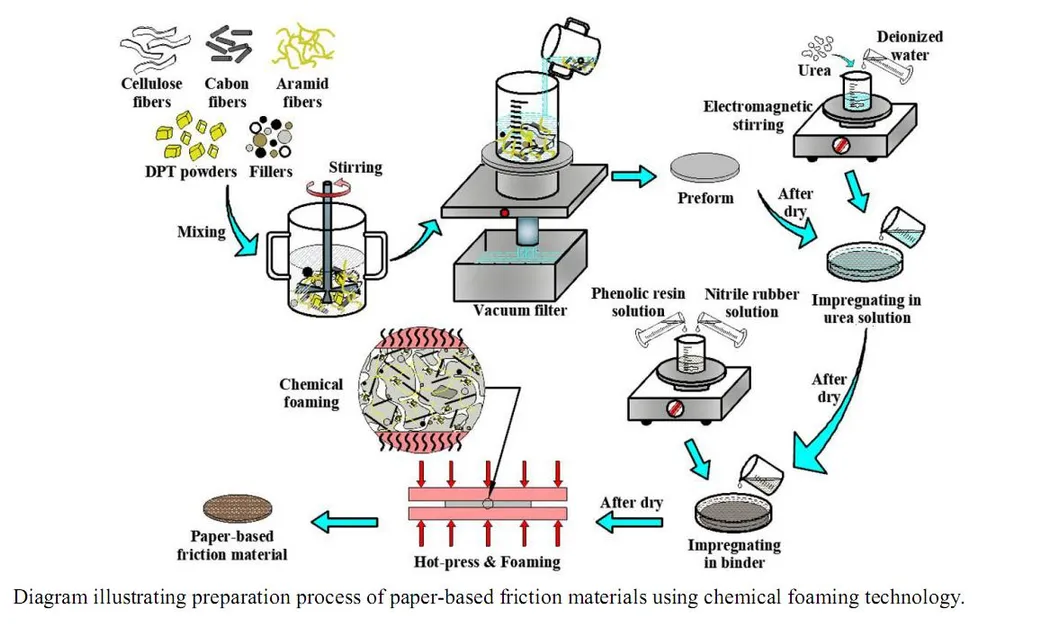
| Raw material (component): | 45-55% fibre (aramid fibre, carbon fibre, composite reinforced fibre, etc.); 20% functional raw materials; remaining filling material (Aluminium oxide, silicone soil, color mixing materials, etc). After the paper is dipped in glue, the glue content is of 23-30%. |
| Size: | Paper width from the automatic paper production line: 600mm. Diameter range <=600mm, Paper thickness: 0.6~2.5mm |
| Industrial Standard: | GB/T 13826-2008; GB/T 21955-2008; GB/T 37208-2018; GB/T 15141-2009 Technical specifications |
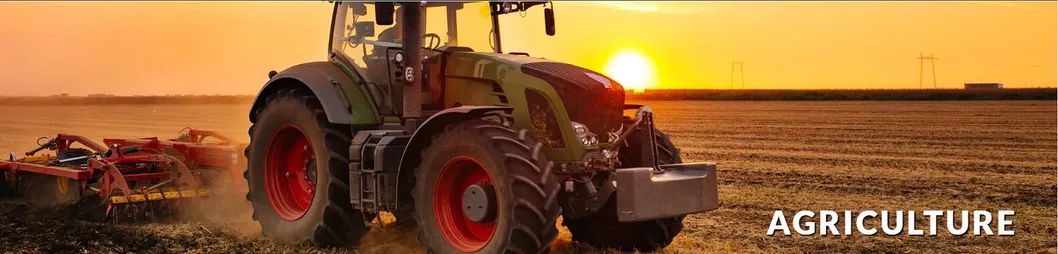
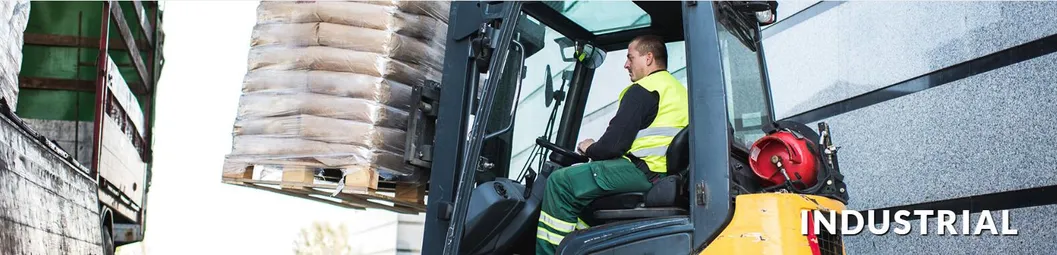
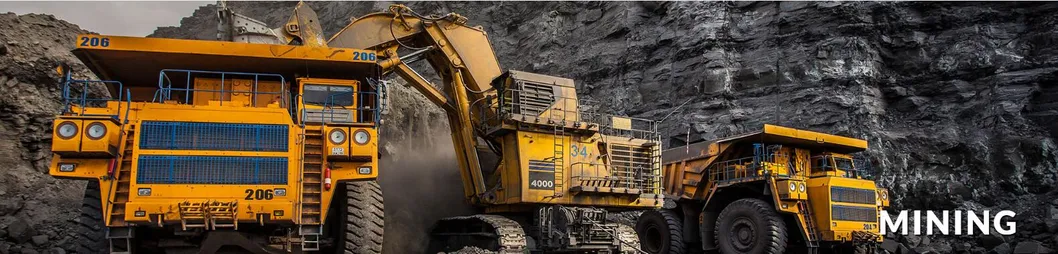
| Applications range: | Engineering machinery: Excavator, Loader, Bulldozer, Paver, Reach stacker, Crane etc. Agricultural: Tractor, Harvester. Logistic: Forklift truck. Automobile: Reducer, Wet clutch, Wet brake, Motorcycle clutch. |
| OEM and aftermarket: | All types of wet paper-based friction disc, such as for JCB, MF etc. |
Production for OEM-customers and high-standard aftermarket requirements.