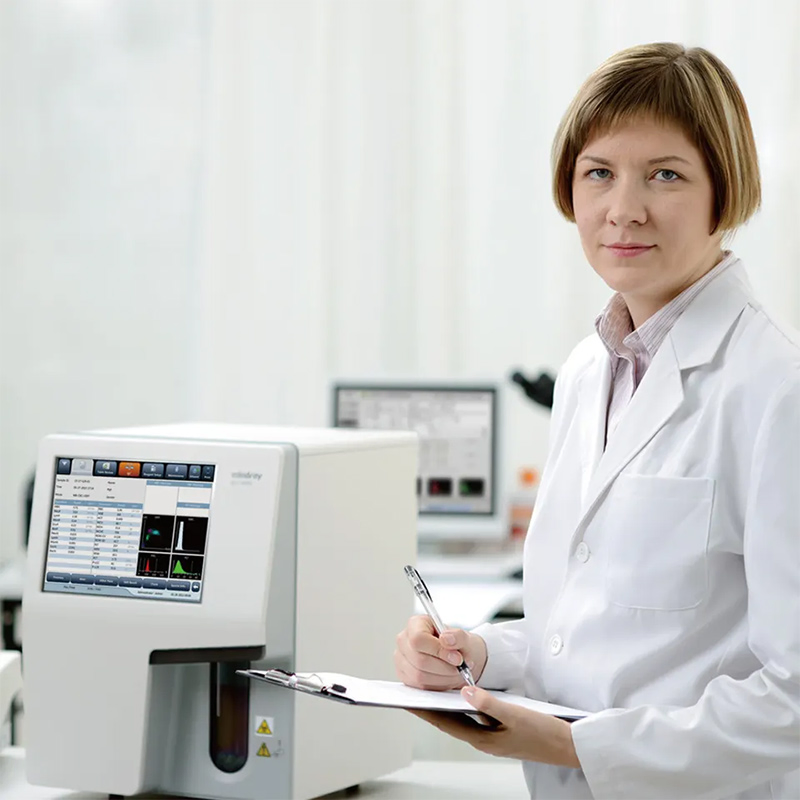
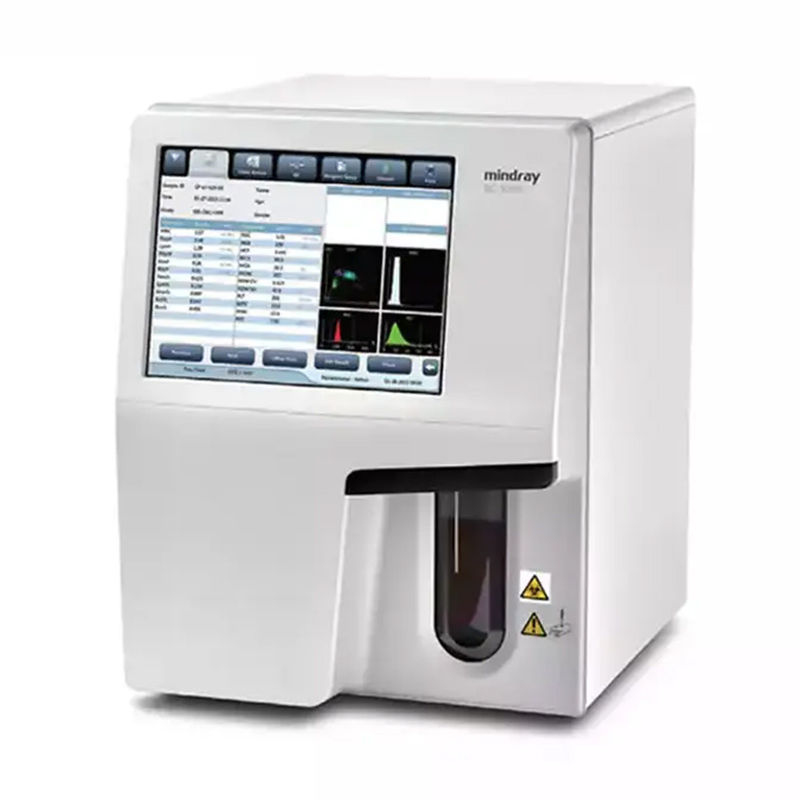
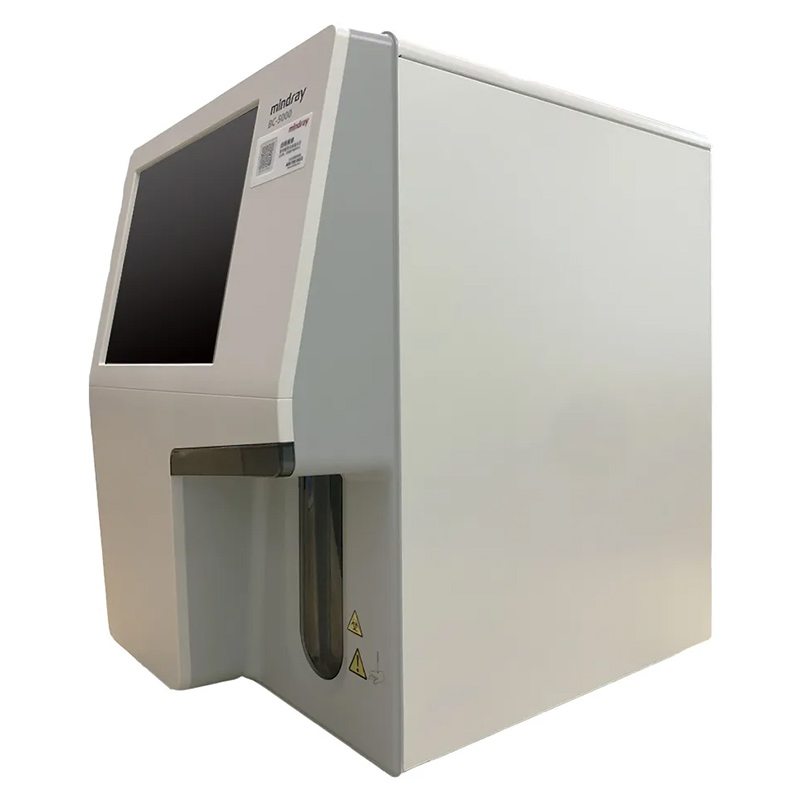
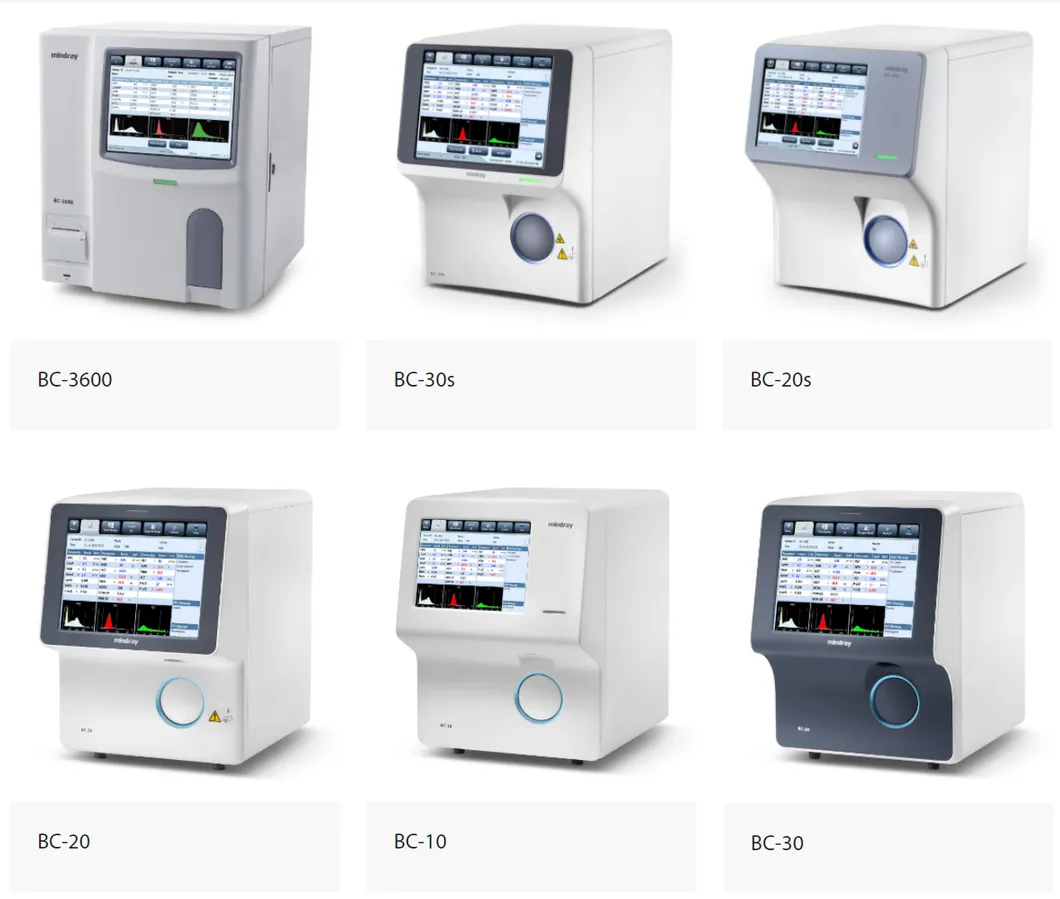
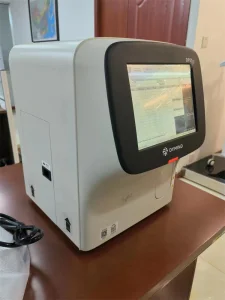
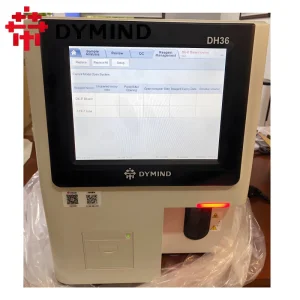
Mindray Fully Auto Hematology Blood Analyzer
★
Key Features:
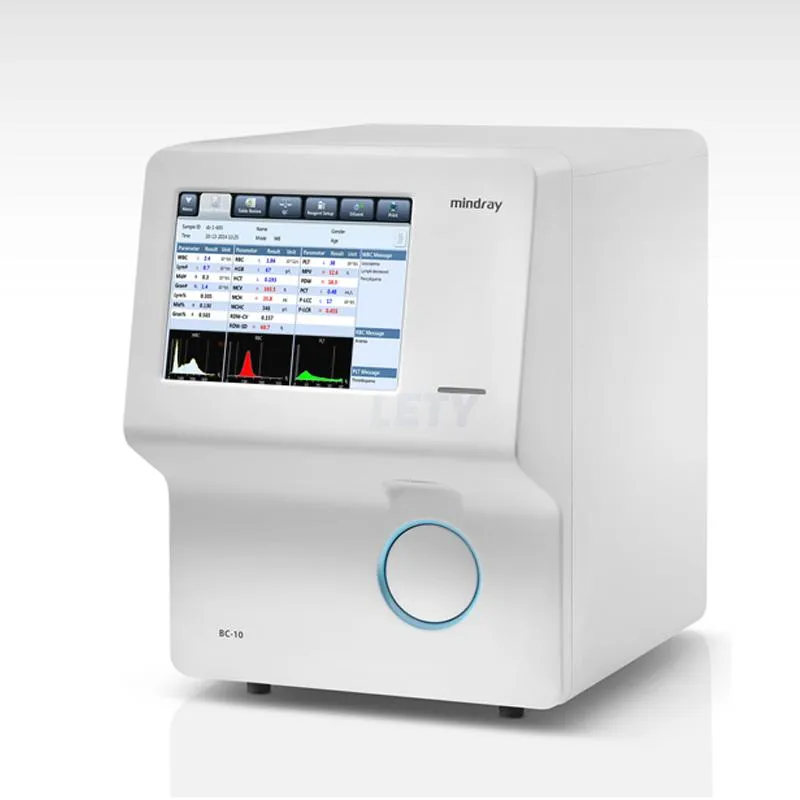
Fully automated, compact, flexible and cost effective
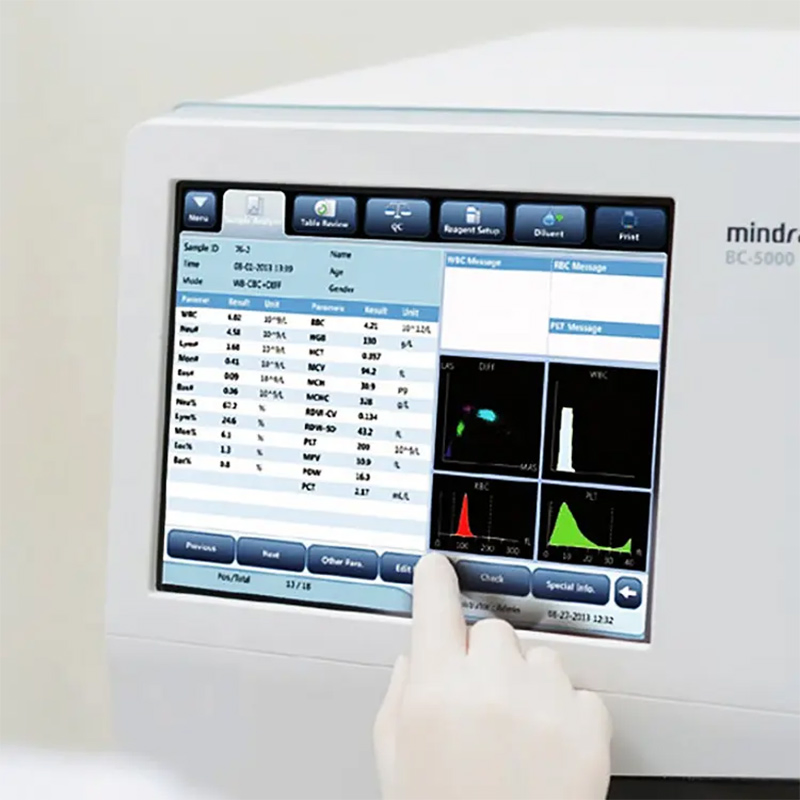
3-part differentiation of WBC, 19 parameters + 3 histograms
Throughput: 30 samples per hour
Up to 10000 sample results (including histograms) can be stored
Cyanide free HGB analysis method
3 counting modes: All parameters, WBC/HGB, RBC/PLT
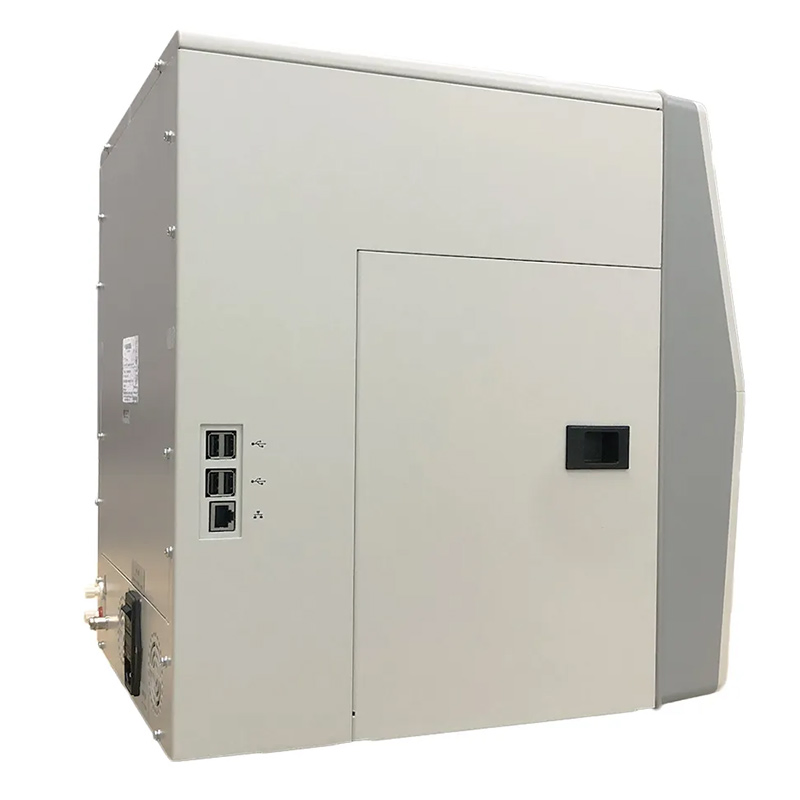
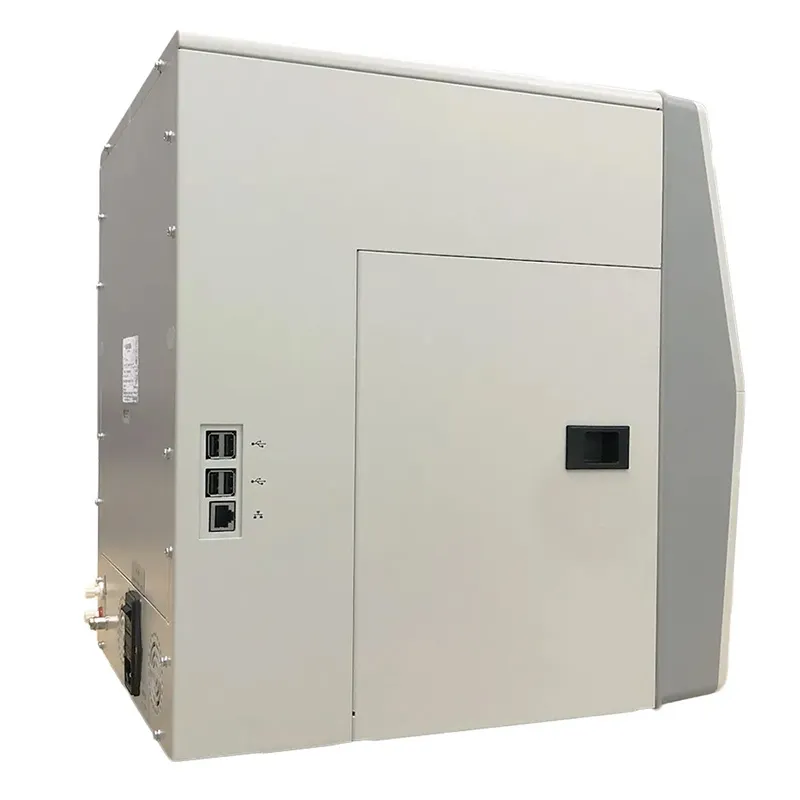
Built-in thermal recorder, optional external printer
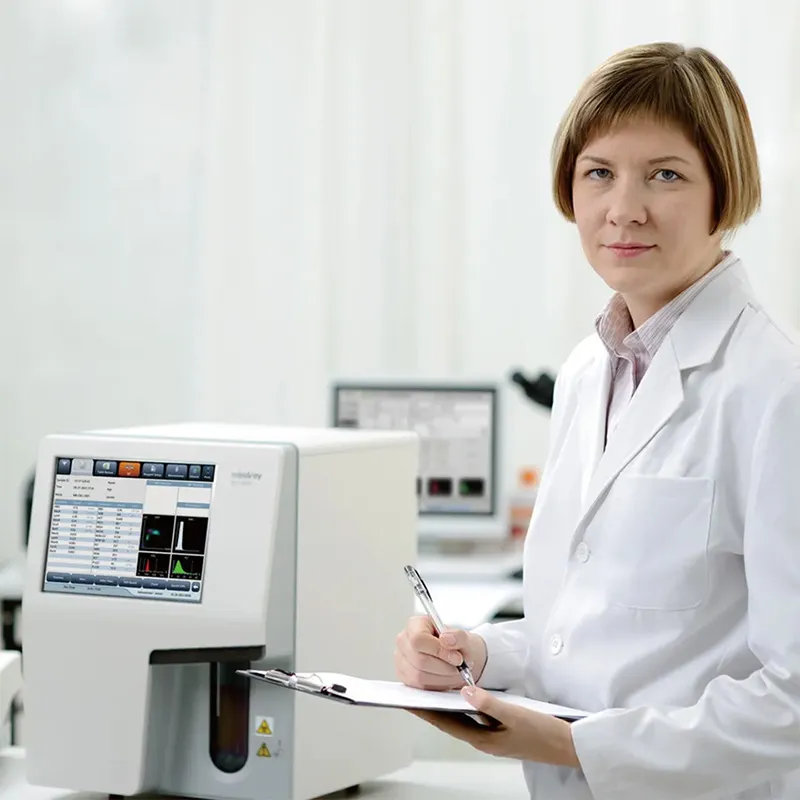
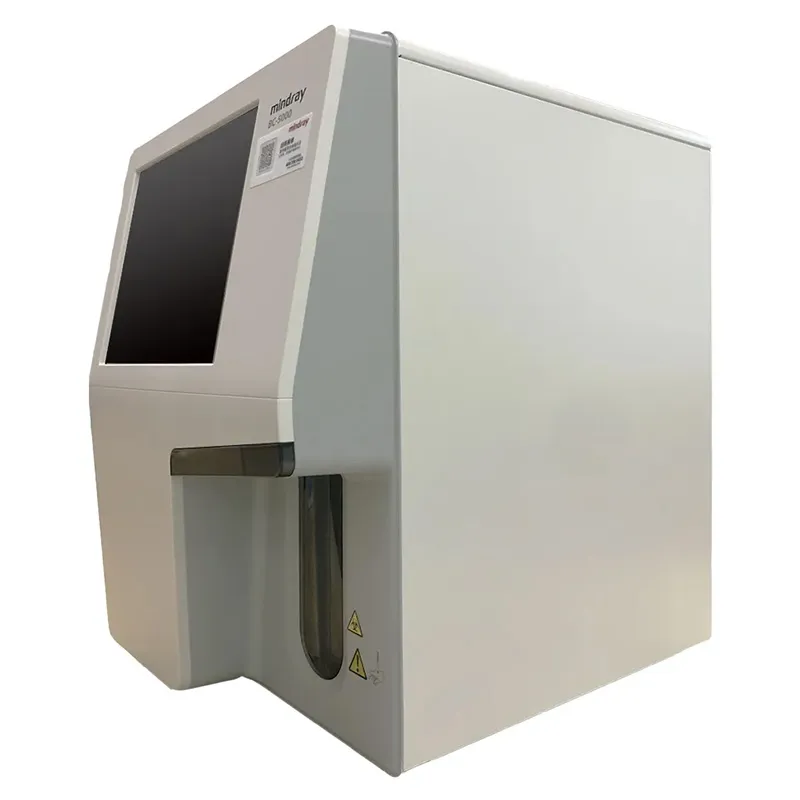
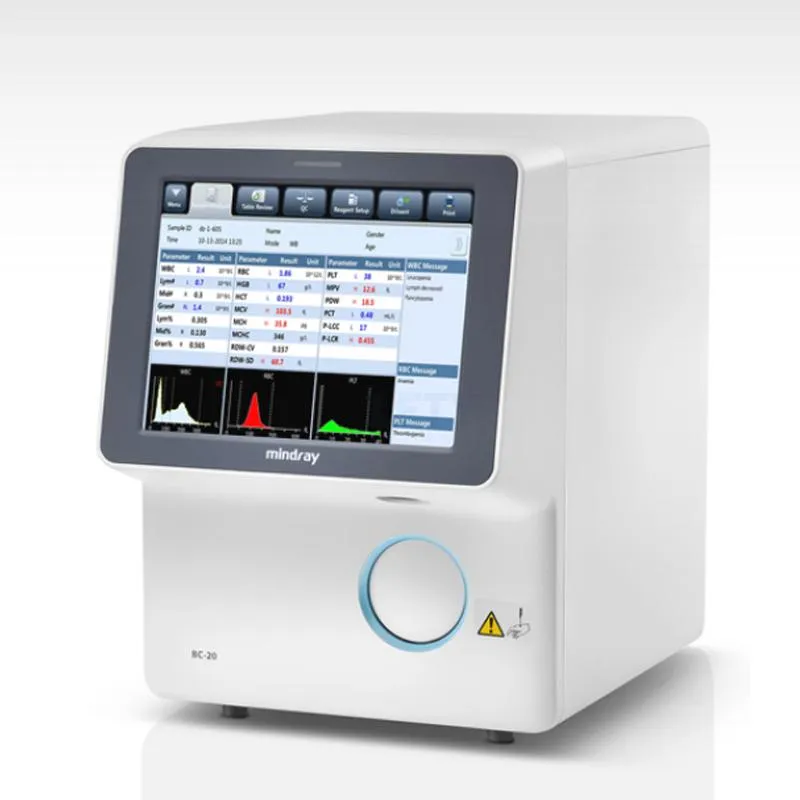
Large Color LCD display.
Features & Capabilities
- CBC+3-DIFF, 20 parameters +3 Histograms
- Throughput: up to 30 samples per hour
- 8.4 inch TFT touch screen
- Only three reagents needed
- Open vial sampling
- Large storage capacity: up to 50,000 samples
- Original QC, calibrators and reagents
- CBC+3-DIFF, 20 parameters+3 Histograms
- Throughput: up to 40 samples per hour
- 10.4 inch TFT touch screen
- Only three reagents needed
- Open vial sampling
- Large storage capacity: up to 100,000 samples
- Original QC, calibrators and reagents
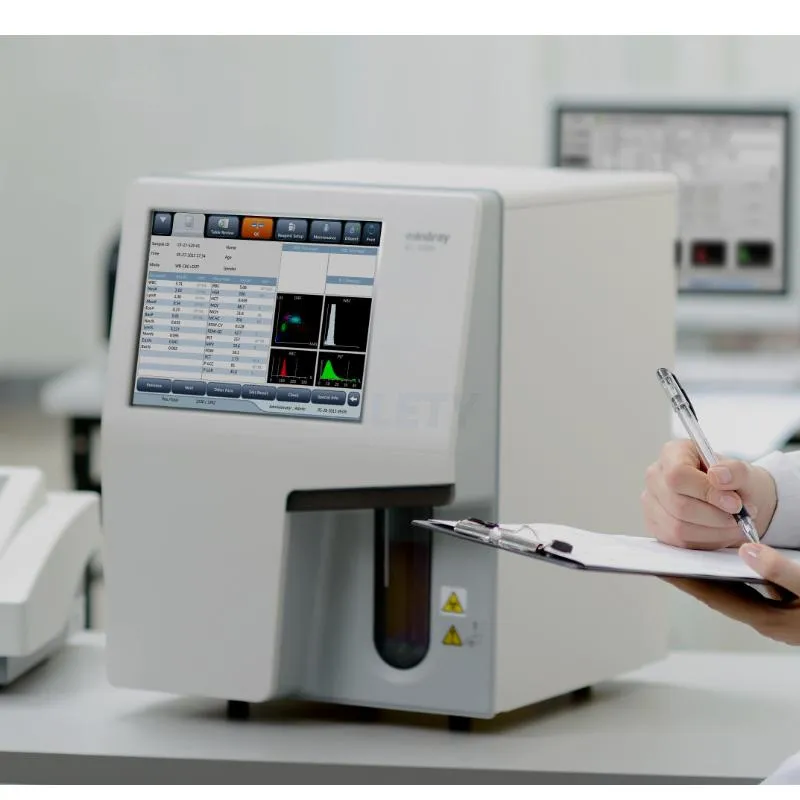
Advanced 5-Part Differentiation Mode
WBC 5-part differentiation, 23 reportable parameters
Whole blood mode, Capillary whole blood mode and Prediluted mode
Tri-angle Laser scatter + Chemical dye + Flow cytometry technology
Dedicated optical counting channel for Basophil measurement
Powerful capability of flagging abnormal cells
10.4 inch large TFT touch screen with user-friendly software
Large storage capacity: up to 20,000 samples
Throughput: 40 samples per hour
Sample volume is only 15μL which is ideal for pediatrics
Frequently Asked Questions
Q1: How many parameters can the Mindray Hematology Analyzer measure?
It typically measures 19 to 23 reportable parameters including a 3-part or 5-part WBC differentiation and provides 3 histograms.
Q2: What is the testing throughput of these devices?
The throughput varies by model, ranging from 30 to 40 samples per hour, making it efficient for various clinical settings.
Q3: What type of display and interface does the analyzer use?
The analyzers are equipped with large color TFT touch screens, ranging from 8.4 inches to 10.4 inches, featuring user-friendly software for easy operation.
Q4: Is it suitable for pediatric sample testing?
Yes, models like the 5-part differentiation unit require a sample volume of only 15μL, which is ideal for pediatric applications.
Q5: How many sample results can be stored in the internal memory?
The storage capacity is quite large, depending on the model, it can store between 10,000 and 100,000 sample results including histograms.
Q6: What technologies are used for WBC differentiation?
It utilizes advanced technologies such as Tri-angle Laser scatter, Flow cytometry, and chemical dye methods to ensure accurate cell measurement.
 Xinli Technology