⚙️ Basic Information
Loading Method
Dynamic Load
Effective Torsion Angle
90°
📝 Product Overview
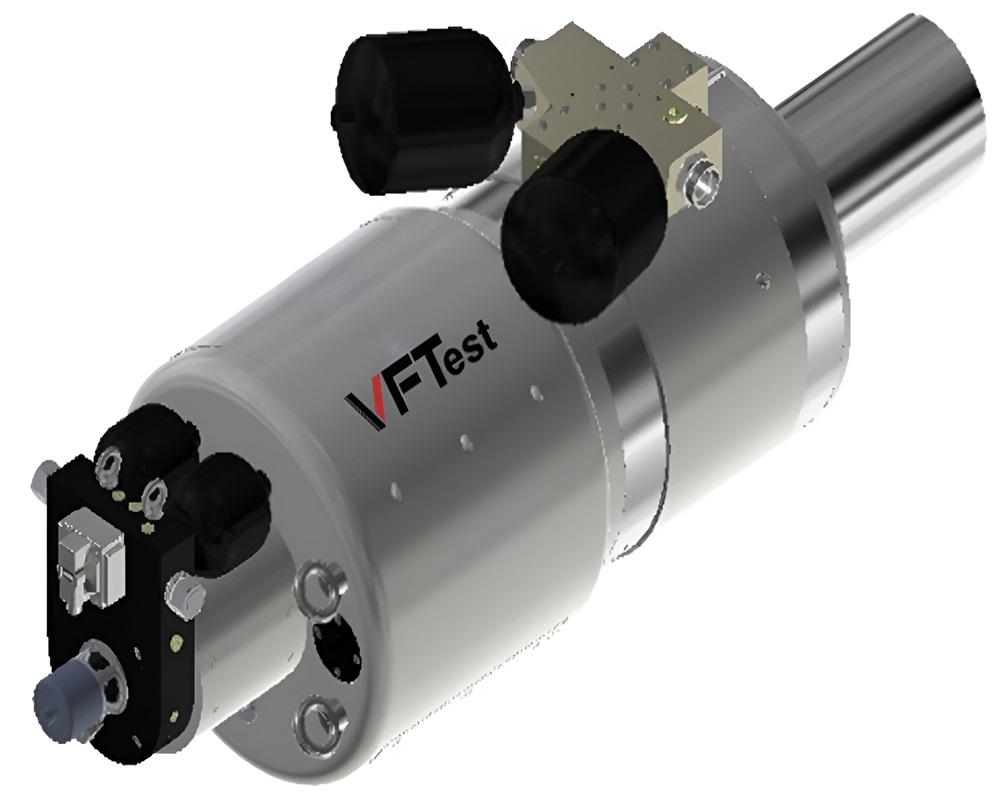
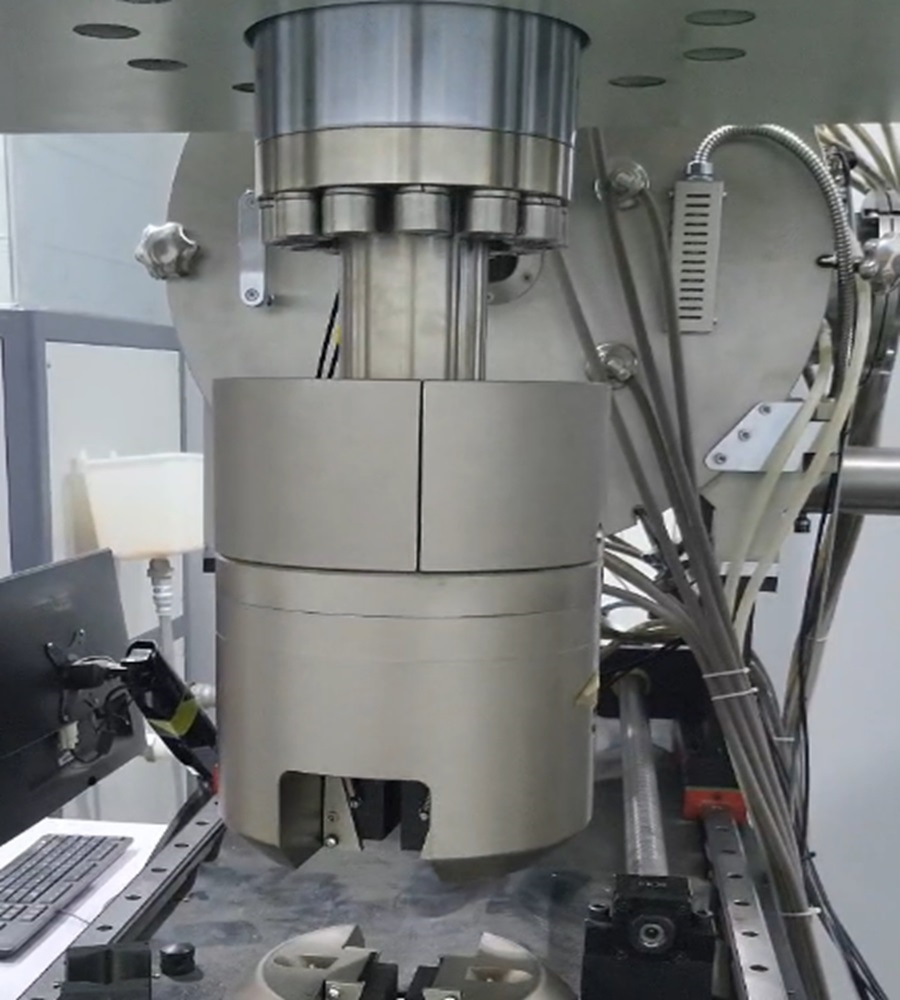
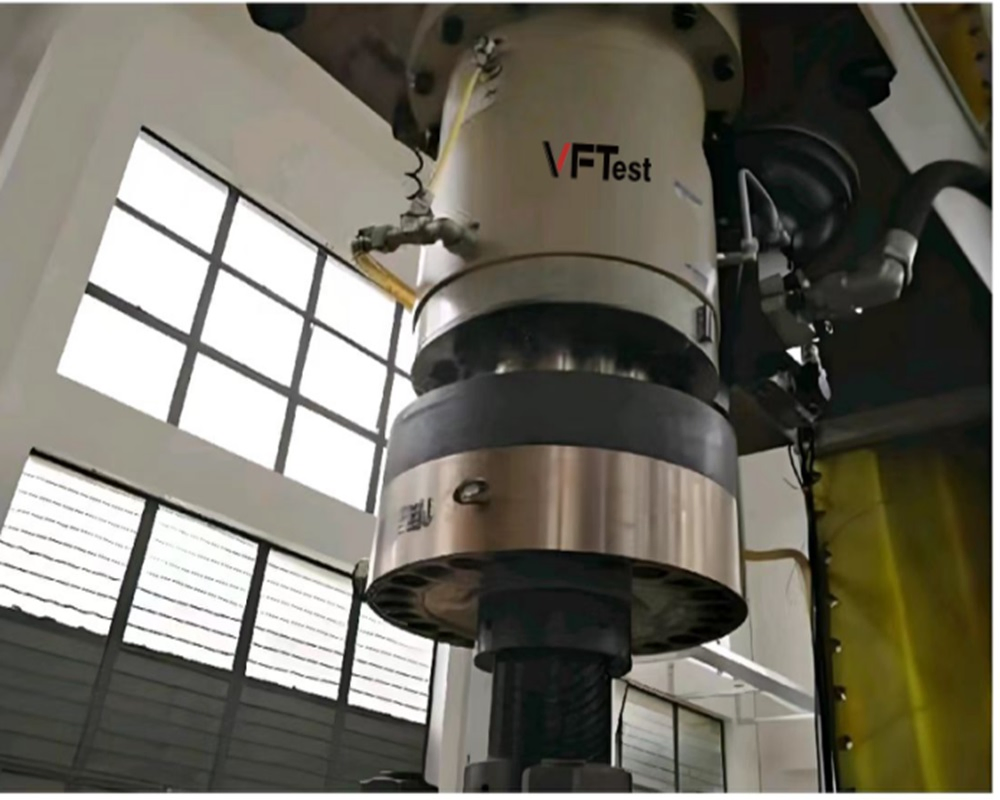
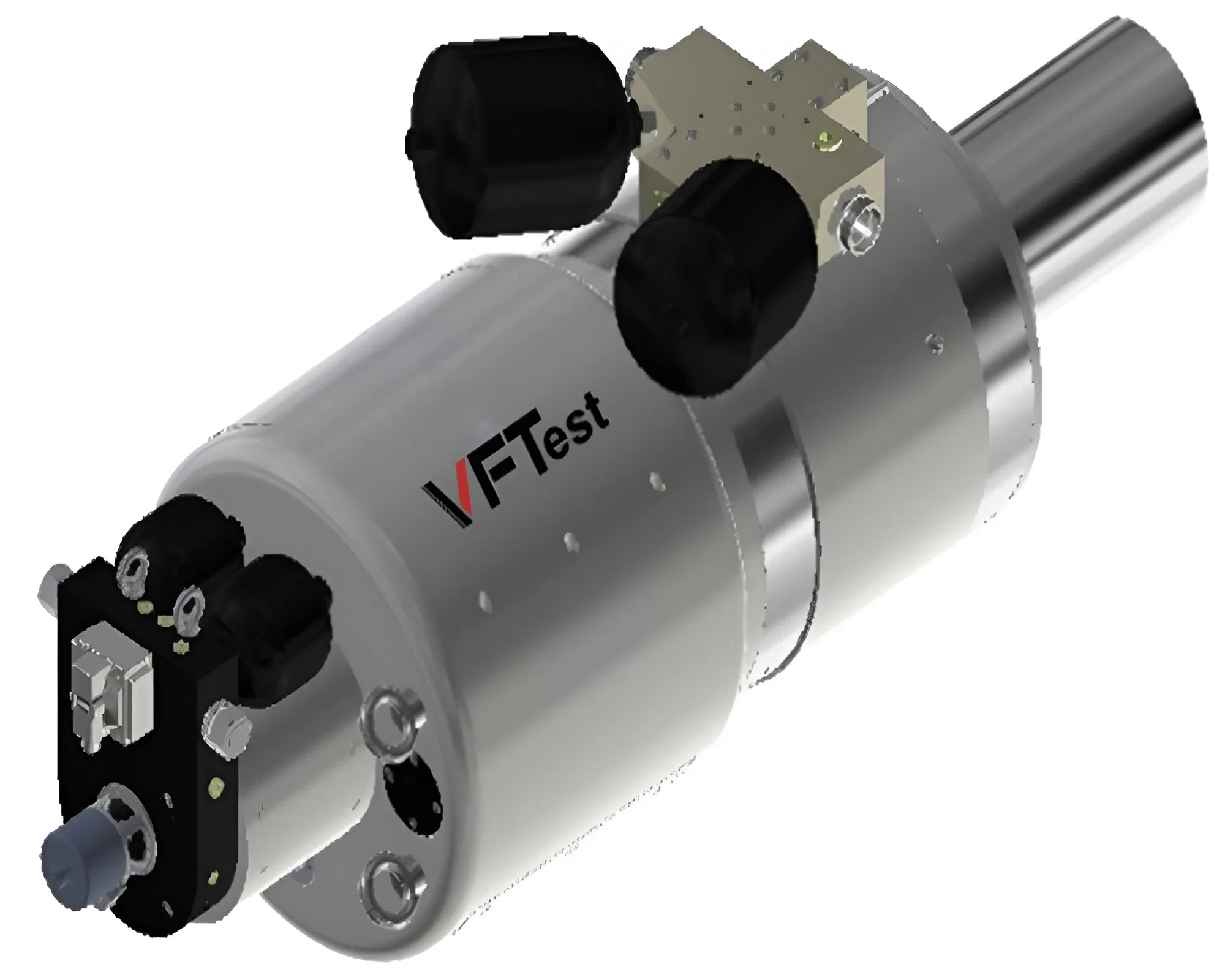
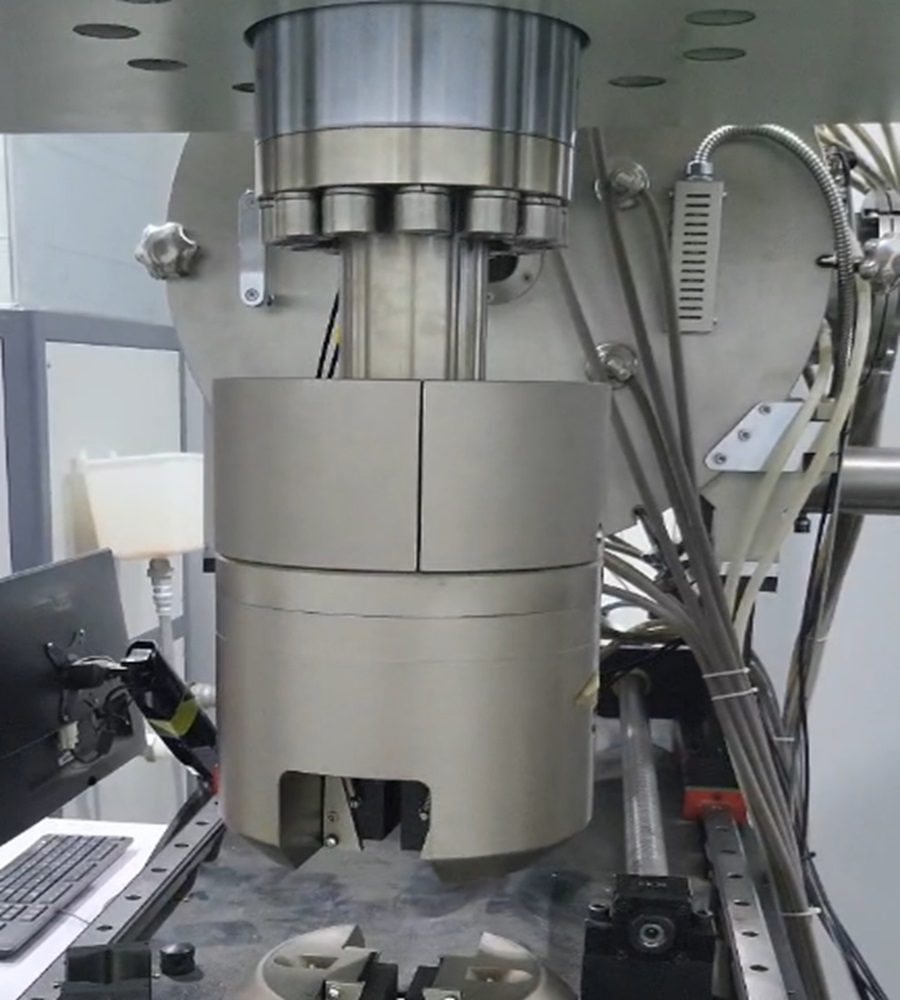
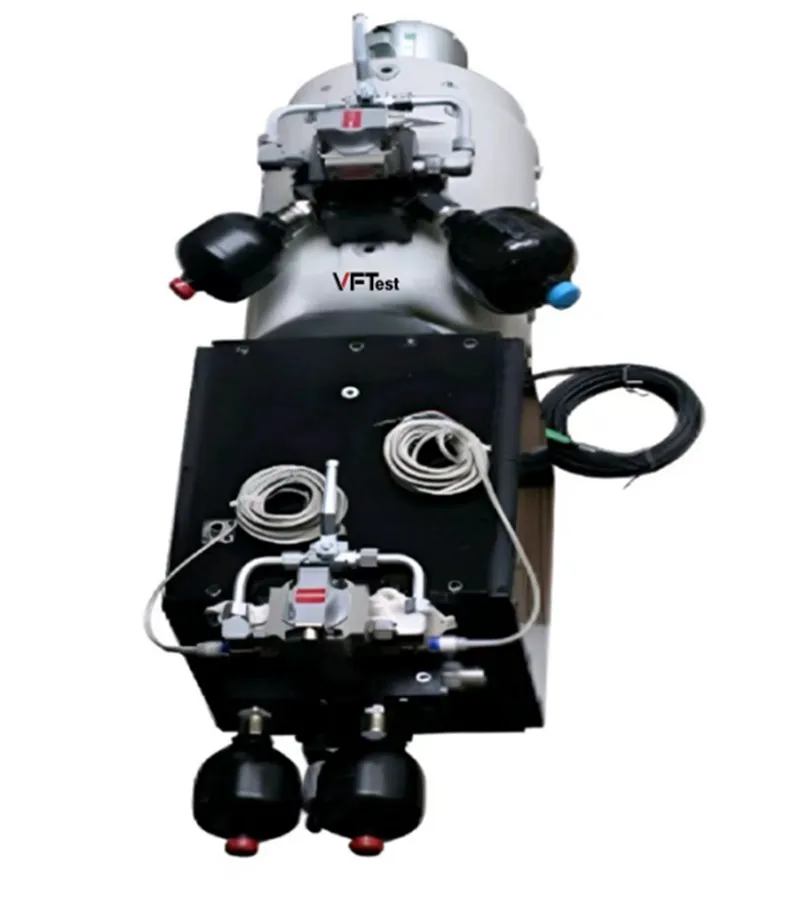
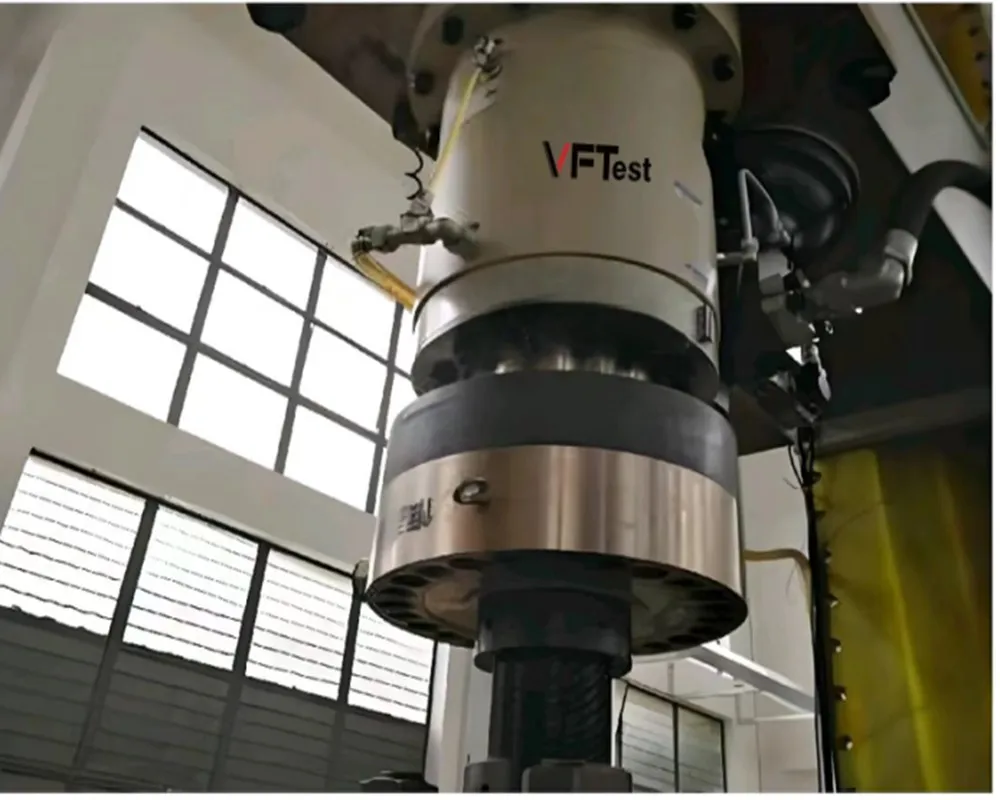
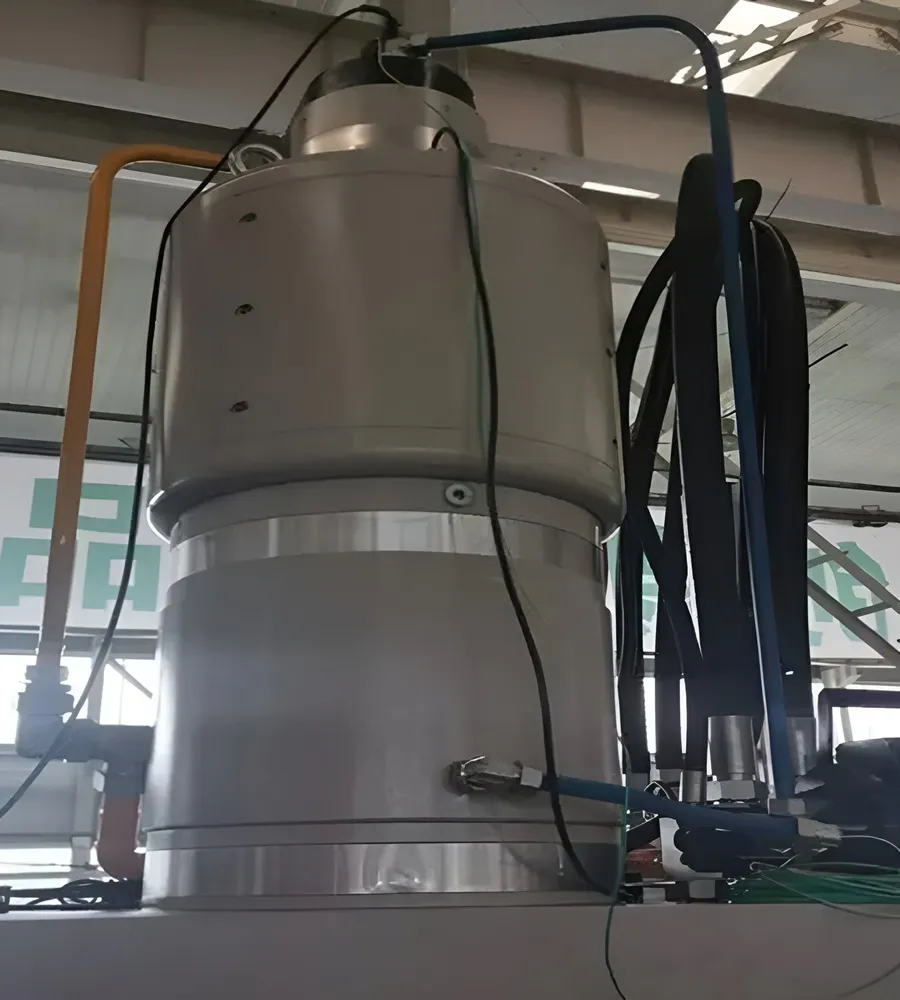
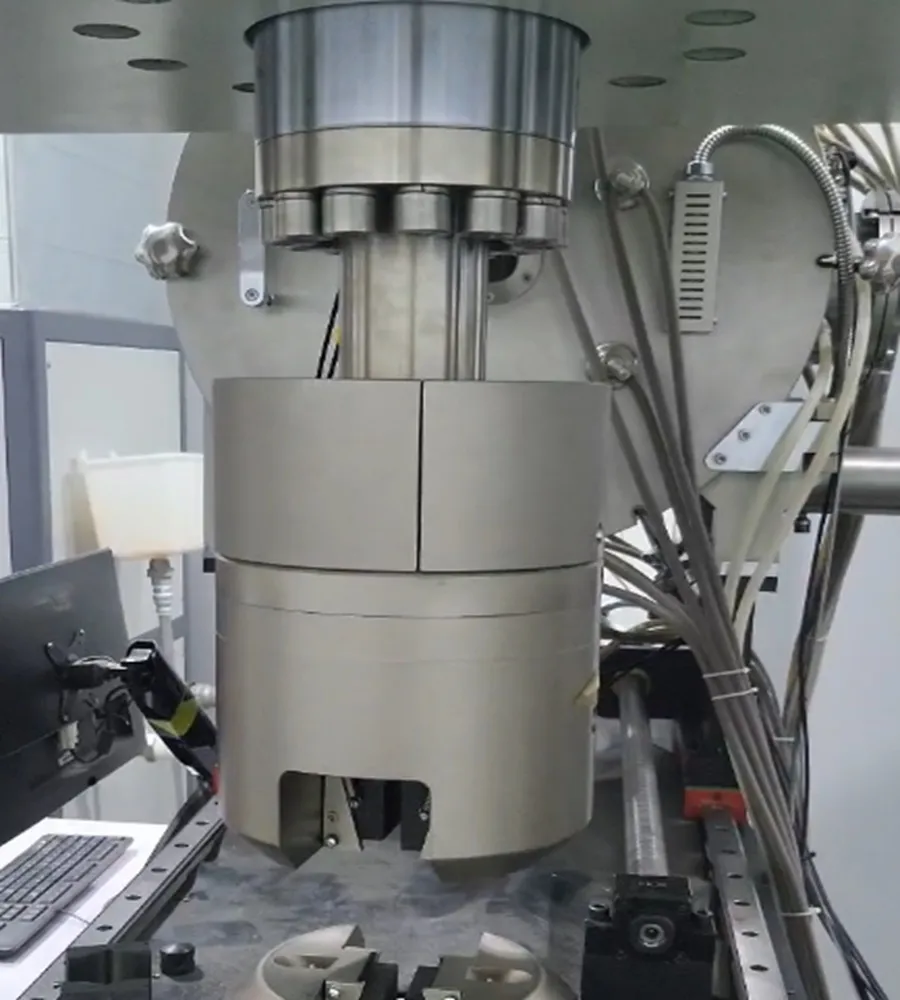
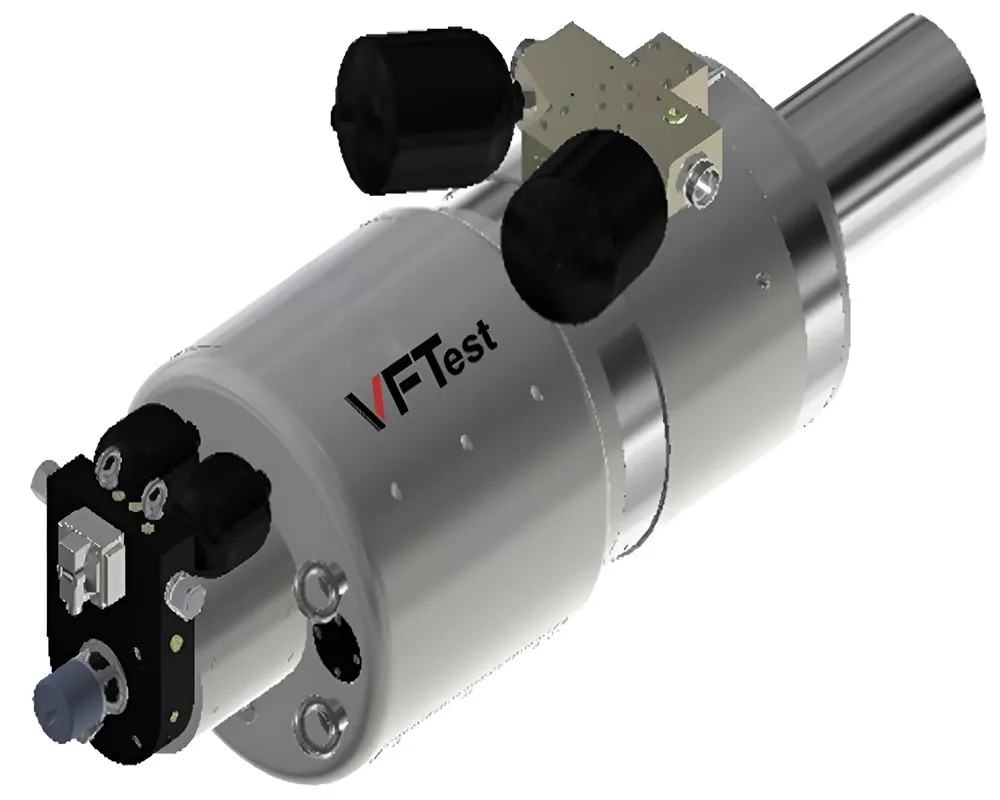
The Tension and Torsion Combined Static Bearing Servo Actuator is a specialized device designed to output both tensile and torsional forces within an electro-hydraulic servo system. As a critical component for dynamic loading, it is extensively utilized in dynamic, static, and fatigue testing applications. This system integrates a servo linear cylinder, servo swing cylinder, high-precision displacement sensors, and angle sensors to achieve sophisticated closed-loop control.
📊 Technical Specifications
✔Max Static Tensile Force: 300kN
✔Max Dynamic Force: 240kN
✔Piston Rod Diameter: Φ125mm
✔Total Tension Stroke: 160mm (Effective: 150mm)
✔Max Torsional Static Force: 1000Nm
✔Max Torsional Dynamic Force: 800Nm
✔Effective Torsion Angle: 90°
✔Linear Frequency: 0.01Hz-100Hz
✔Oscillating Frequency: 0.01Hz-50Hz
✔Compound Frequency: 0.01Hz-10Hz
🖼️ Product Gallery
❓ Frequently Asked Questions
What are the primary applications of this servo actuator?
It is mainly used for dynamic, static, and fatigue testing where simultaneous or independent tensile and torsional forces are required.
What is the maximum static and dynamic tensile capacity?
The maximum static tensile force is 300kN, while the maximum tensile and compressive dynamic force reaches 240kN.
What is the frequency range for the linear servo actuator?
The independent working frequency for the linear servo actuator ranges from 0.01Hz to 100Hz.
Can the actuator perform compound testing?
Yes, it supports compound working frequencies from 0.01Hz to 10Hz for combined tension and torsion simulations.
What type of control system is used?
The system utilizes advanced computer control with displacement and angle sensors for high-precision closed-loop performance.
Is the torsion angle adjustable?
The system features a total torsion angle of 100°, with an effective working torsion angle of 90°.
 Xinli Technology